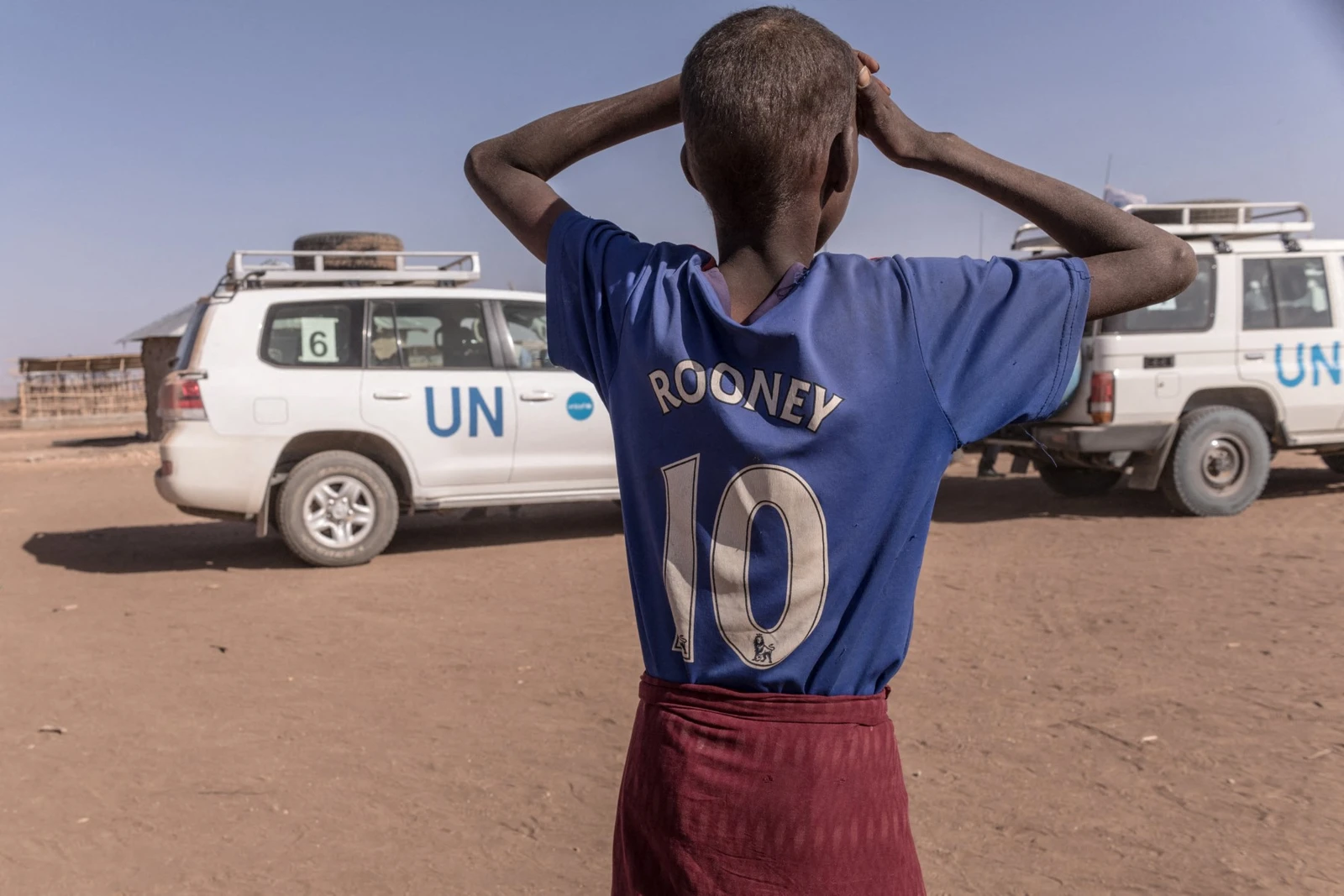





The United Nations political mission in Somalia ended on Saturday after a two-year transition, closing a chapter of more than three decades of UN peacebuilding operations in the east African nation.
UNSOM was established by the UN Security Council in 2013 to support Somali authorities in the transition to democracy and the rule of law after more than two decades of conflict involving militias, Islamist groups and criminal gangs.
It started as UN Political Office for Somalia (UNPOS) in 1995.
In May 2024, Somalia’s President Hassan Sheikh Mohamud asked the UN to end the mission ahead of the expiry of its mandate in October that year. He later revised the request, proposing a two-year transition period.
During the transition, UNSOM was renamed the UN Transitional Assistance Mission in Somalia (UNTMIS).
“Today is not an end to the partnership between the United Nations and Somalia-rather, it marks the conclusion of one chapter and the beginning of another,” said Raisedon Zenenga, UNTMIS officer-in-charge and the UN secretary-general’s deputy special representative for Somalia in a statement.
“While significant challenges remain, the closure of UNTMIS comes after considerable progress by Somalia since the early years of international efforts to support the country’s recovery,” he added.
The mission’s mandates have been transferred to either Somali institutions or the UN country team.
The transition comes as Al-Qaeda-linked Al-Shabab, which has fought the Somali government for two decades, continues to control large swathes of central Somalia despite a major international military campaign against it.
The fight against Al-Shabab is increasingly threatened by international funding cuts, particularly after the United States withdrew all funding for a key UN logistics mission, casting doubt over the future of military operations.
Somalia is due to hold parliamentary and presidential elections next May, with persistent insecurity and opposition disputes threatening the process.

