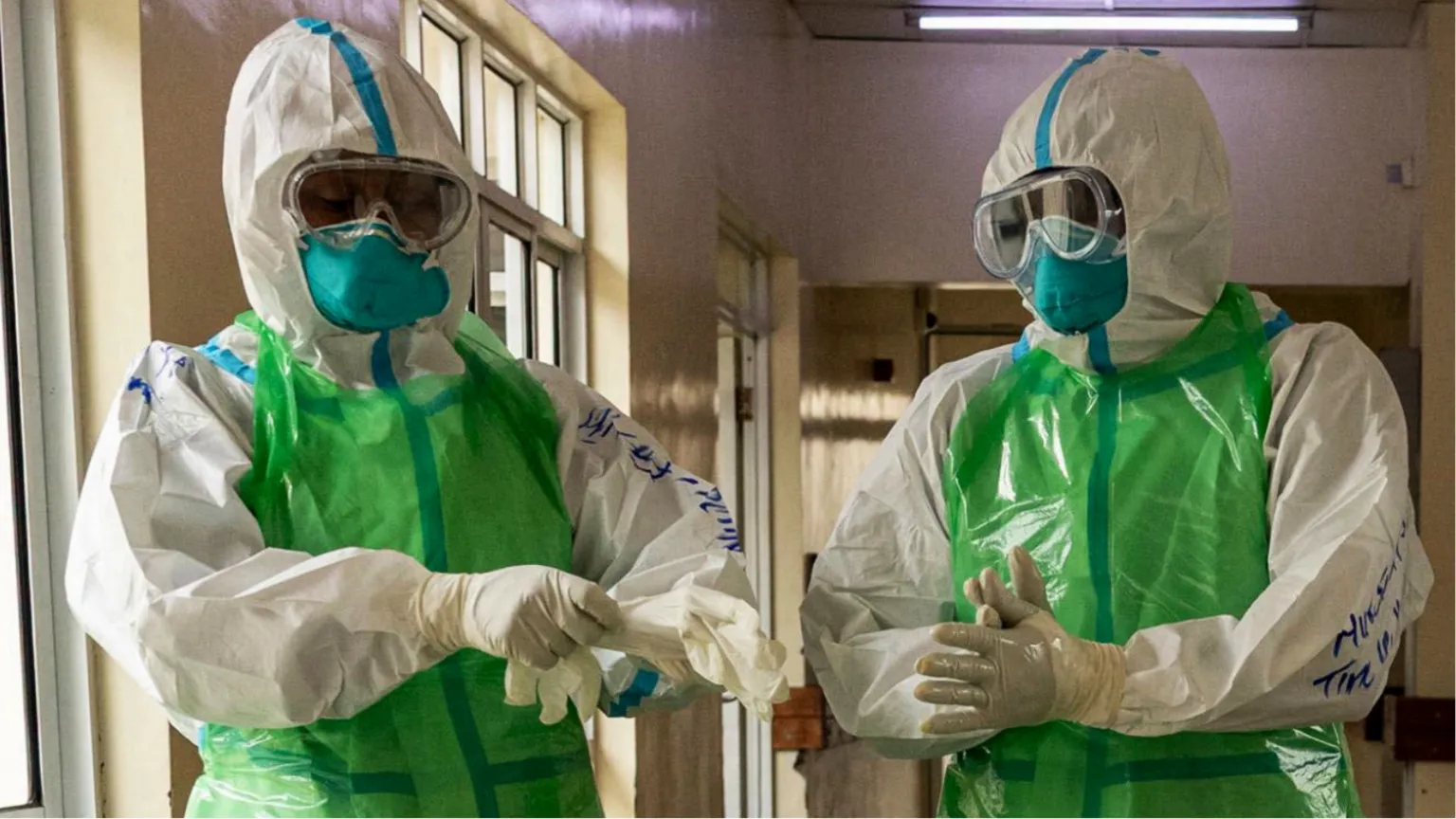











ABUJA (Reuters) – Nigeria reported its first Ebola case in more than a decade, becoming the fourth African country and the most populous yet to be affected by an outbreak that health officials have described as the fastest-spreading on record.
The Ebola species behind the outbreak kills about half of those infected and has no approved treatment or vaccine.
Since the first cases were confirmed in Democratic Republic of Congo in May, the disease has killed 4,646 people.
Health officials fear misinformation and funding shortfalls could fuel further spread within the region and across borders.
Cases have also been reported in Uganda and, more recently, Kenya. “Ebola is now affecting three regions of Africa.
The situation demands urgent action and political leadership at the highest level,” Africa Centres for Disease Control and Prevention Director General Jean Kaseya said on X on Wednesday.
The Nigerian case involves a Ugandan woman who arrived in Nigeria’s capital Abuja via Addis Ababa on October 5, Odianosen Ehiakhamen of the Nigeria Centre for Disease Control told Arise TV on Tuesday.
She began feeling unwell two days later and sought treatment at a private hospital in Abuja on October 11 with malaria-like symptoms, but her condition did not improve, Ehiakhamen said.
After health officials learned she had recently travelled to Uganda, one of the countries affected by the current outbreak, they tested her for Ebola on October 19. The positive result was confirmed on Tuesday.
“My concern, now that this has spread from East Africa to West Africa, is that we now have a pan-African event, as opposed to a few at-risk countries,” said Ayoade Alakija, a Nigerian physician who co-chairs a G7 committee for investment in global health.

