











A Mexican constitutional reform to require presidential candidates to renounce any dual citizenships is fast-tracking towards final approval, despite criticism that the measure backed by the ruling party infringes on political rights and aims to block opposition rivals.
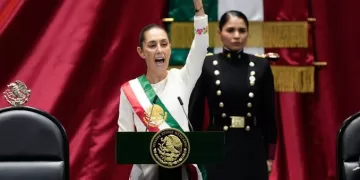
President Claudia Sheinbaum has defended the initiative — which would also apply to state governors and the Mexico City mayor — as a safeguard against foreign interference.
“Presidents of Mexico can only have one flag, one homeland, one people to defend,” Sheinbaum said during her daily news conference on Wednesday.
Its critics, however, say it erects hurdles for dual-national politicians and could hamper generational succession within Sheinbaum’s ruling Morena party and those of its allies, where several figures hold foreign passports.
The constitutional changes were swiftly approved this week by a majority of Mexico’s 32 state legislatures, backed by Morena lawmakers and their coalition after passing both chambers of the national Congress. Lawmakers must now issue a formal “declaration of constitutionality” before publishing the text in the official gazette.
Mexico’s current constitution does not explicitly bar presidents and governors from holding dual citizenship.
In Latin America, only two countries have such bans: Cuba and Venezuela. The United States allows dual citizens to become president, but the issue has proven politically sensitive. Ted Cruz renounced his Canadian citizenship in 2014 ahead of his 2016 presidential run.
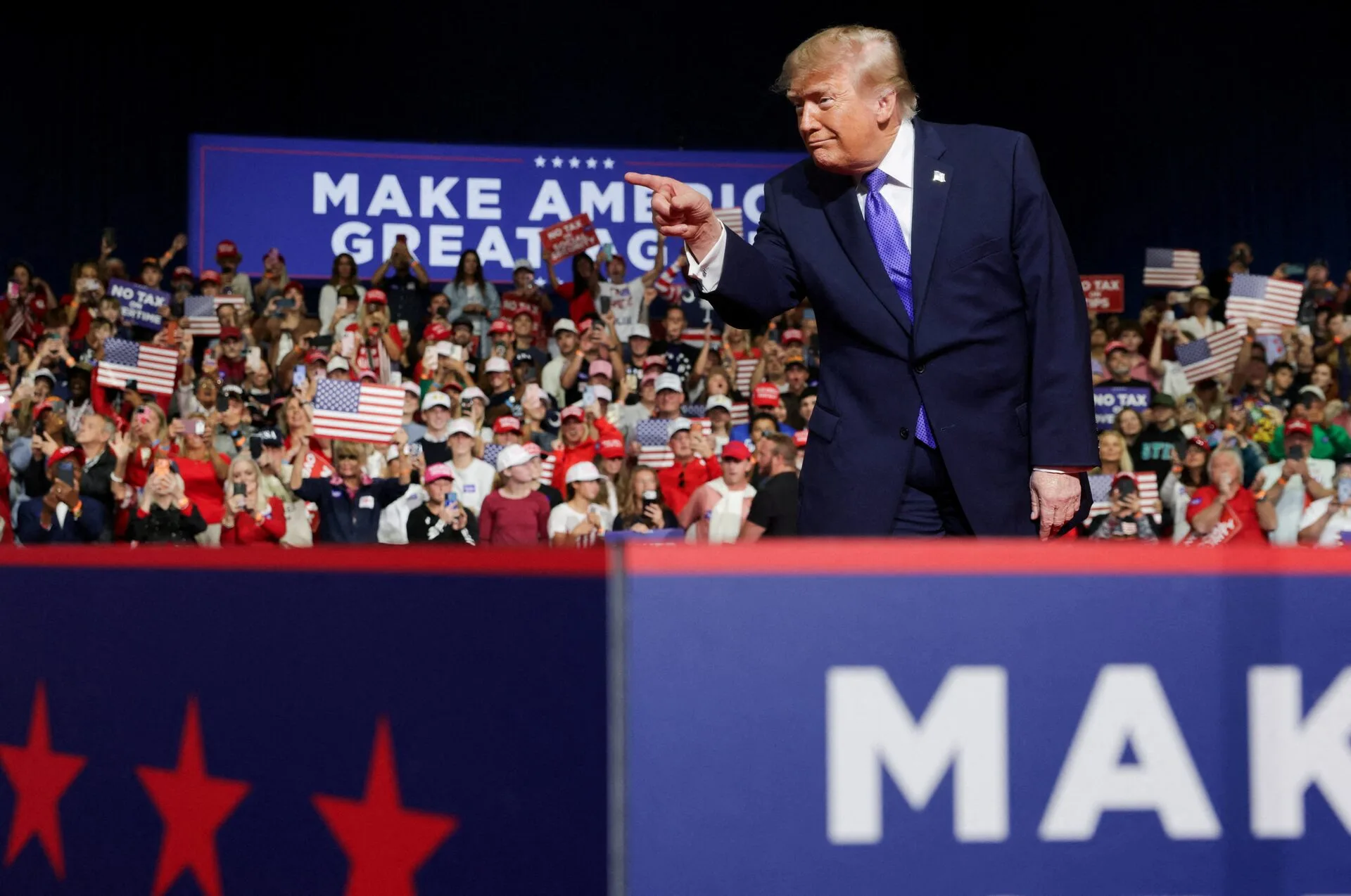
Sheinbaum and her administration say that the citizenship proposal is part of the party’s broader emphasis on defending national sovereignty amid mounting pressure from the administration of US President Donald Trump.
But its critics have questioned both the speed of its passage and its political intentions ahead of the 2030 presidential election.
The requirement would take effect for prospective candidates in 2028, meaning it would not affect current state governors or candidates competing in the 2027 midterms.
Sheinbaum’s office did not respond to requests for comment.
Mexican billionaire Ricardo Salinas, a prominent tycoon and fierce critic of the administration who has repeatedly hinted at political ambitions, has railed against the bill and suggested that it was designed specifically to thwart his possible run.

