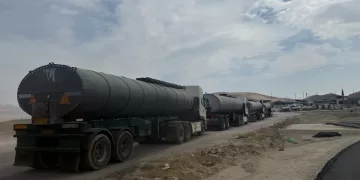



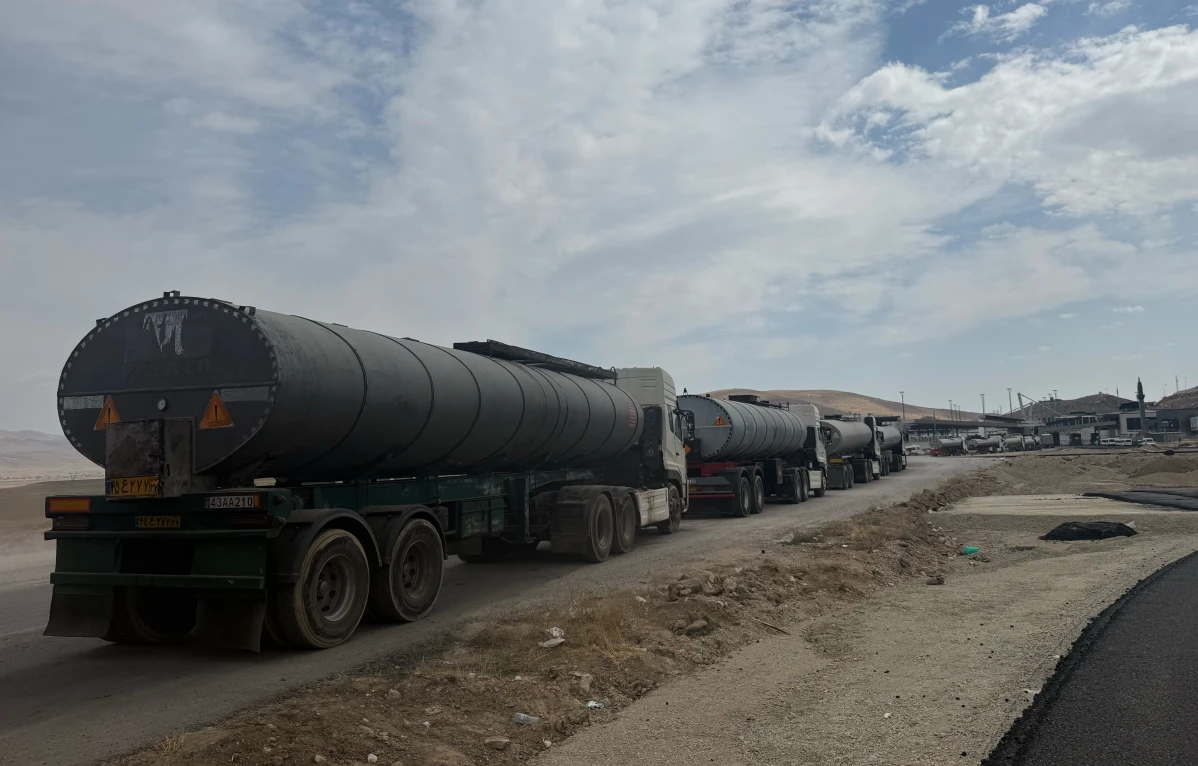
Hundreds of trucks idle along the road into Iran from Turkey’s mountainous eastern border.
Bustling even in normal times, the countries’ largest crossing is now a make-or-break economic lifeline for Tehran as the US navy blockades its ports.
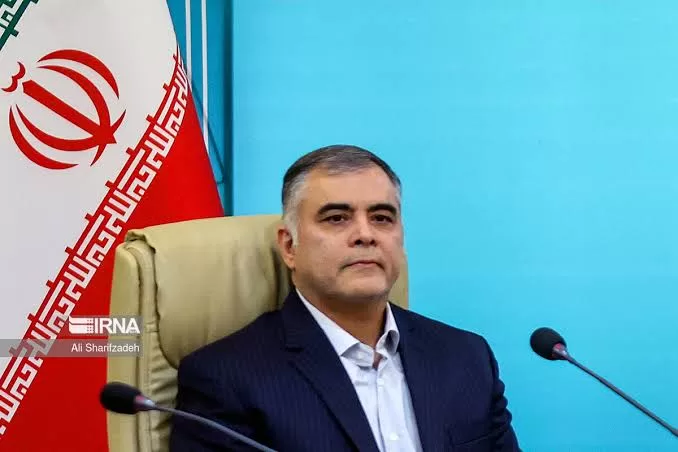
Iranian President Masoud Pezeshkian has pressed to accelerate overland trade as the blockade limits the vast majority of imports while cutting off the oil and gas sales that largely keep the economy alive.
It’s the latest test of Iran’s endurance.
Frustrated Iranian truck drivers spoke to The Associated Press at the Turkey border crossing, where lines now stretch for miles.
“I’ve been driving through this border gate for 15 years. I’ve never had to wait as long as now,” said Muhammed Rıza Shiri, 55, who had waited four days to carry his load of rubber into Iran.
“We had to wait at the end of a seven-kilometer (4.3-mile) line. We used to wait, maximum, for three days here.
Because of the war, the waiting times exceed five days.”
Iran accuses the US of trying to weaken the country.
“They are trying to create difficulties wherever they can, and they are holding nothing back. They are closing off routes, shutting down air routes, blocking land routes and trying to fuel internal divisions,” President Masoud Pezeshkian said Tuesday.
Iran insists the pressure will not change its stance in negotiations with Washington.
Tehran wants the US blockade to end before it allows commercial shipping to flow again through the Strait of Hormuz, where Iran’s grip has shaken global markets and oil prices.
Iran has a huge challenge as it tries to shift trade from sea to land.
Its economy relied on the gulf for over 80% of its trade before the war, according to Iran economist Mohammad Farzanegan.
Now Iran’s land crossings with Turkey to the west and Pakistan to the east are crucial in connecting with Europe and Asia.

