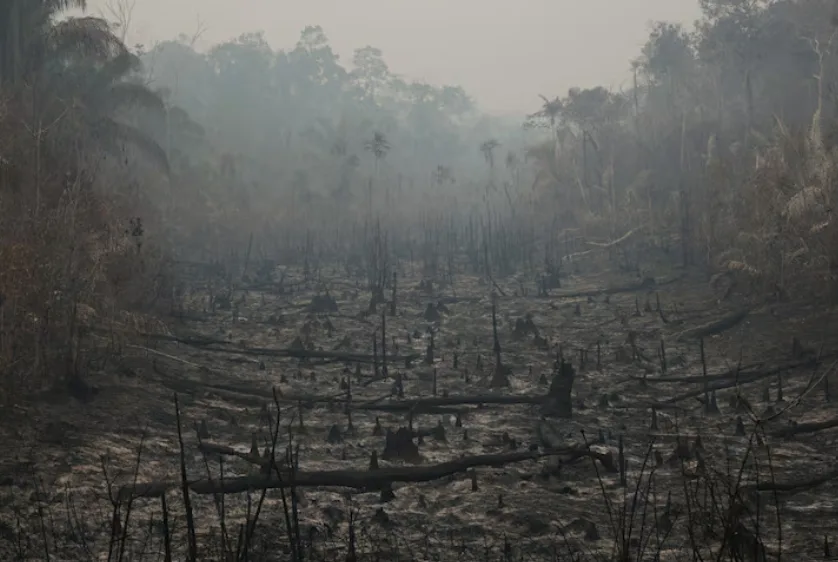









Governments at a UN conference that ended on Saturday have agreed to step up efforts to protect global biodiversity after talks ran through the night, although the finance to deliver it remains elusive.
The two-week COP17 conference in Armenia’s capital came against a fractious political backdrop, and as the world prepares for fresh climate talks in Turkey starting November 9.
The talks in Yerevan oversaw the first global review of the Global Biodiversity Framework agreed in Montreal four years ago. While progress had been made, delegates agreed it was not enough, with the world off track on almost all of its targets.
After intense talks, governments adopted a decision dubbed the Yerevan Pathway, agreeing faster action on areas such as reducing harmful subsidies, increasing finance for developing countries, and aligning national spending with biodiversity goals.
They acknowledged that action so far had been insufficient, and set out priorities to accelerate efforts through to 2030.
“At a time when multilateralism is under pressure, COP17 has shown that international cooperation can still deliver,” said Anita de Horde, executive director of the Finance for Biodiversity Foundation.
“The real success of COP17 will be measured by what governments implement before COP18,” she said, which delegates agreed would be held in the Ecuadorean capital, Quito, in 2028.

