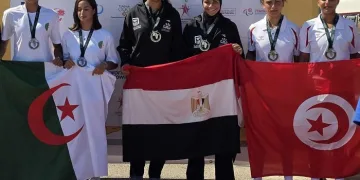






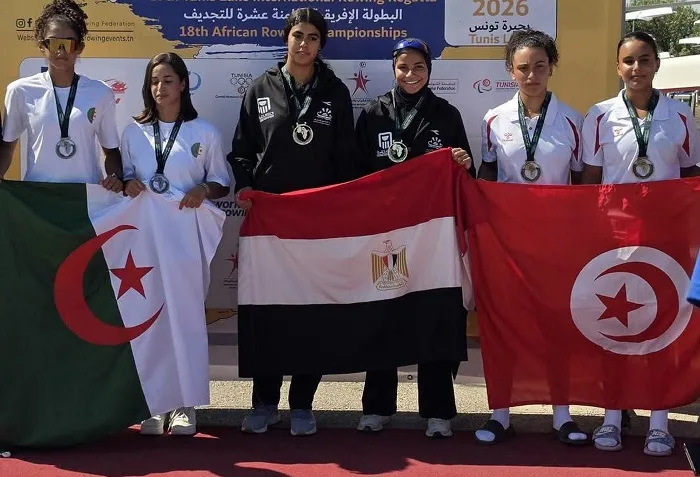
Egypt are building a rowing team capable of competing with the best in Africa, and their performance at the African Rowing Championships in Tunisia offered an early glimpse of that potential.
The team returned with eight medals — five gold, two silver and one bronze. But the medal haul was only part of the story.
The squad was relatively small, yet every Egyptian rower who competed finished on the podium.
Clear target
Sherif El-Qamati, president of the Egyptian and Arab Rowing Federations and treasurer of the Egyptian Olympic Committee, said the athletes had been selected with medals firmly in mind.
Speaking to Extra News, El-Qamati said every athlete travelling to the championships was expected to have a genuine chance of challenging for gold.
He added that the standards can change from one competition to another. The requirements for an African Championships team, for example, are not necessarily the same as those for the World Championships.
Good start
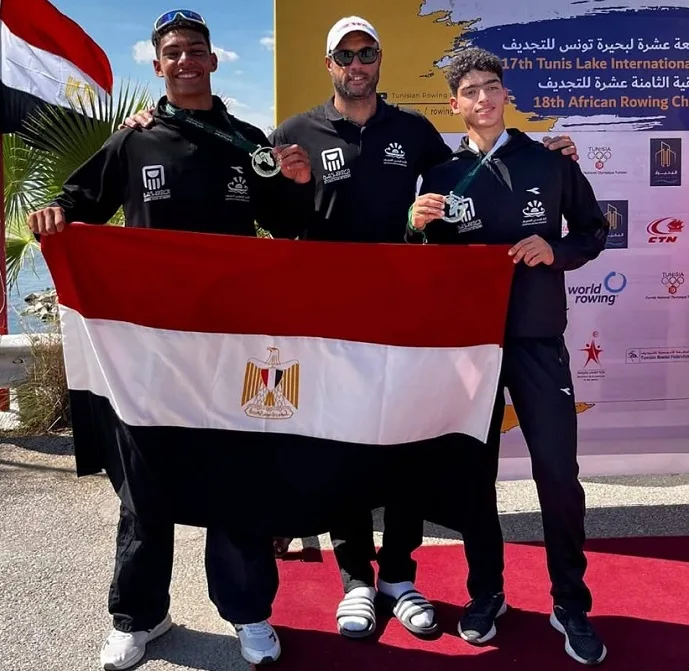
The results in Tunisia quickly backed that up. Abdel Khalek El-Banna won gold in the men’s single sculls, finishing in 7:11.79. Tunisia took silver and Algeria bronze.
Yassin Ashraf added gold in the junior men’s single sculls, winning in 7:26.93, while Rimas Osama claimed silver in the junior women’s single sculls in 8:39.69.
Ashraf and Ibrahim Mahmoud took bronze in the under-23 men’s double sculls, finishing in 6:36.56.
The junior women’s double sculls brought another Egyptian gold. Alia Mohsen and Osama finished in 7:52.34, just one second ahead of Algeria. Tunisia took third and Morocco fourth.
The medals came from different age groups, giving Egypt a mix of experience and youth on the podium.
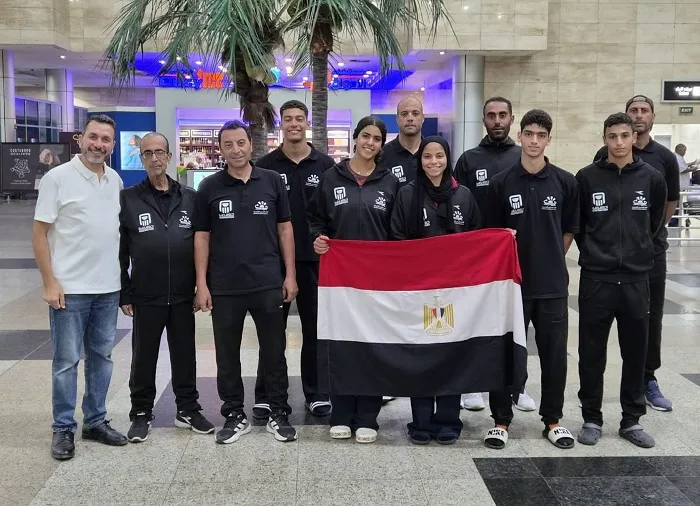
El-Banna was one of the leading figures of the campaign, winning two gold medals.
El-Qamati said El-Banna had spent around 15 years without a serious rival at his level.
The federation now wants to develop rowers who can compete at a similar level, rather than allowing too much of Egypt’s success to rest on one athlete.
Learning from experience
That makes the link between the senior and junior teams particularly important.
Younger rowers are getting more opportunities to train and compete alongside experienced teammates. They can learn not only the technical side of the sport, but also what goes into preparing for a race, handling pressure and adapting to the demands of regular competition.
For those coming through, El-Banna offers a useful example of what is possible after years at the top. The hope is that his experience can help shorten the road for the next generation.
Every place matters
There is also plenty of competition within the squad.
Major championships offer only a limited number of places, so missing out can be a setback but also a reason to improve. Athletes know that another opportunity will have to be earned.
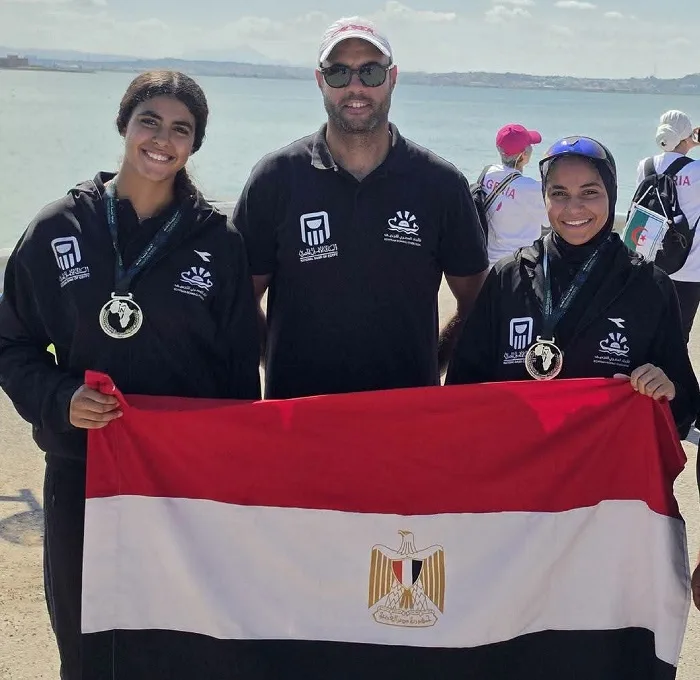
El-Qamati explained, according to a statement published on the federation’s Facebook page, the success of a team should not be judged by how many athletes it takes to a championship, but by what those athletes achieve once they are there.
The Egyptian squad included senior, junior men’s and junior women’s competitors, with Abdel Khalek El-Banna, Mohamed El-Gabali, Yassin Ashraf, Ibrahim Mahmoud, Rimas Osama, Alia Ali and Ziad Salama among those selected.
What comes next
Tunisia was a good step, but the real test will come in the years ahead.
The challenge now is to build on that success and turn one strong championship into steady progress.
For now, eight medals represent a strong return. More importantly, the championships offered a glimpse of what Egypt’s rowing team could become. More athletes are now challenging for medals, while a new generation is gaining the experience needed to keep Egyptian rowing competitive in Africa and on the international stage.

