





By Mohamed Attia
The Egyptian Civil Aviation Authority (ECAA) has reviewed a comprehensive package of measures aimed at modernising training, licensing and certification procedures, strengthening workforce capabilities and meeting airlines’ growing demand for qualified personnel, while maintaining full compliance with international safety and regulatory standards.
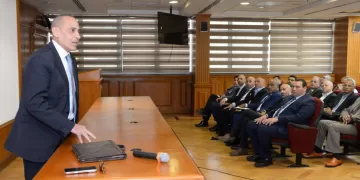
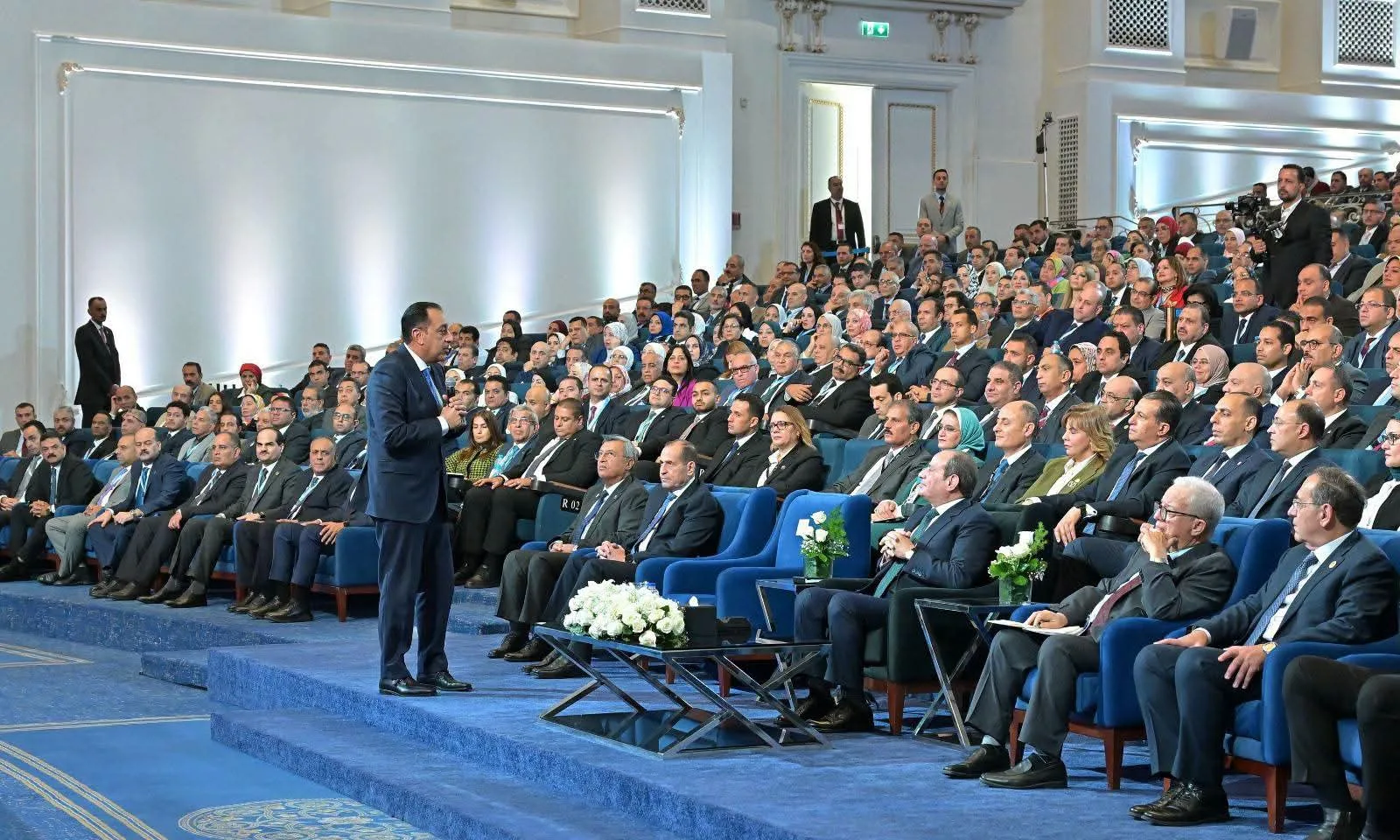
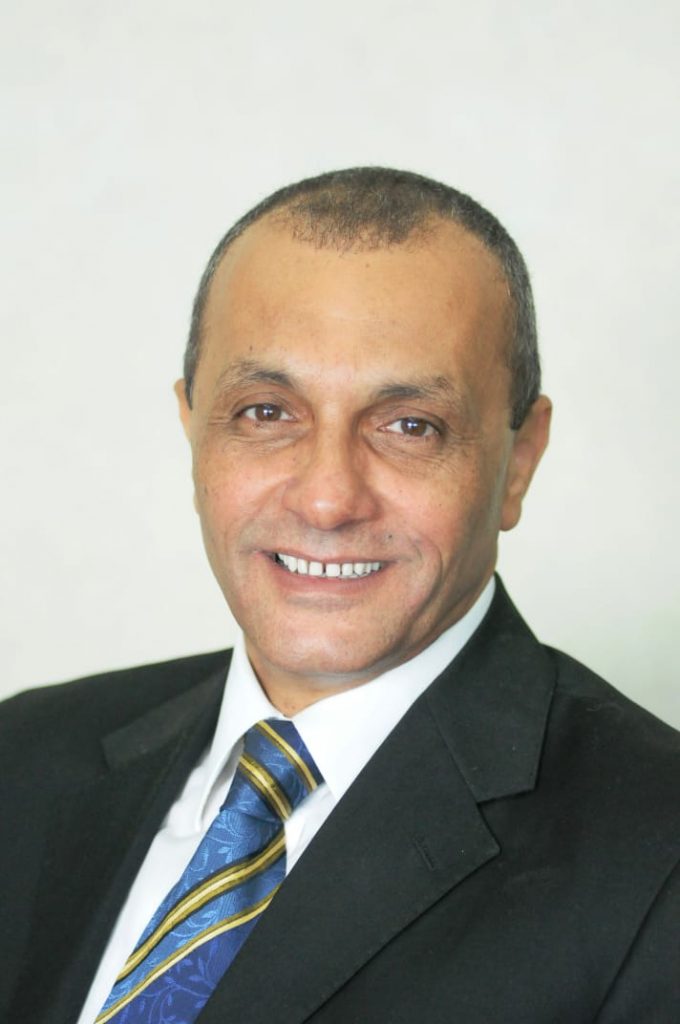
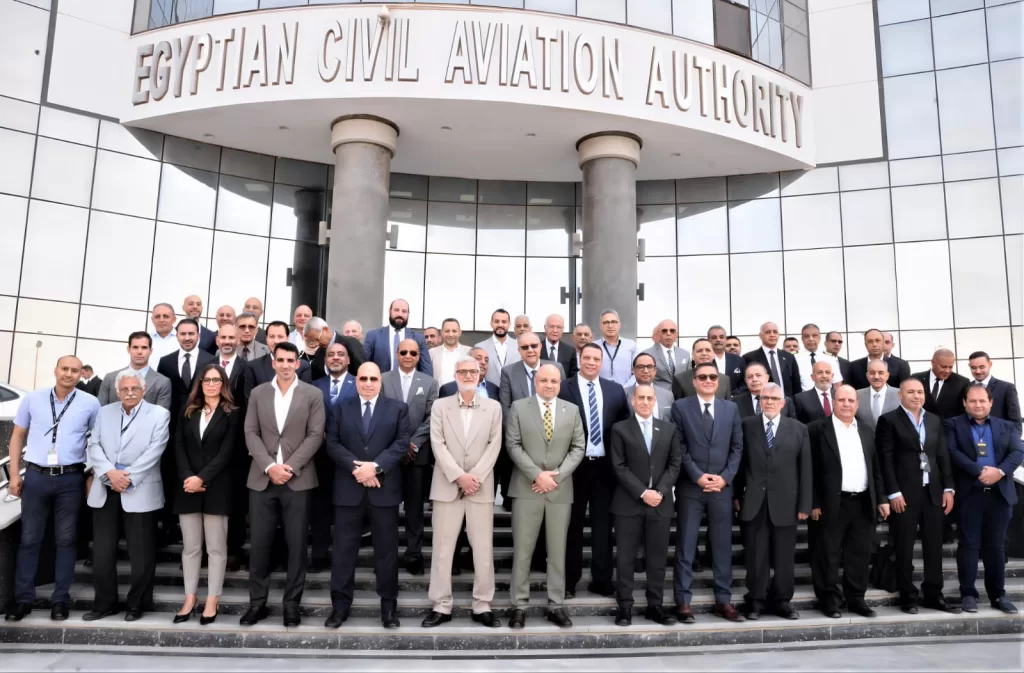
The ECAA held an expanded meeting chaired by Captain Sameh Mohamed Fawzi, Head of the Authority, with the participation of senior ECAA officials, chairpersons of Egyptian airlines, and directors of operations, training and maintenance.
Discussions focused on enhancing pilot training and promotion programmes leading to the rank of captain, streamlining cabin crew licence renewal procedures, and updating flight simulator certification mechanisms to reflect the latest technological and operational developments.
The meeting also reviewed measures to simplify certification procedures for aircraft maintenance engineers and support airlines in recruiting and retaining qualified technical personnel.
In addition, the authority examined a new structured on-the-job training (OJT) framework for aircraft maintenance personnel.
The system introduces an updated training log based on the advance planning of mandatory and supplementary tasks, performance assessments conducted by certified evaluators, and enhanced monitoring and documentation throughout the training process.
The new approach is designed to shorten training completion times while preserving the technical standards required under approved regulations.
Participants also discussed procedures related to the Medical Board and medical examination facilities, with the aim of aligning them with the latest international requirements while improving the efficiency and flexibility of licence and permit issuance and renewal.
Fawzi said the measures form part of a broader strategy to create a more efficient and responsive regulatory environment.
He reaffirmed the authority’s commitment to balancing procedural flexibility with rigorous oversight, strengthening human capital and enhancing operational readiness without compromising safety or international standards.
He also stressed that training remains a cornerstone of operational efficiency and airline preparedness, highlighting the importance of continued coordination with airlines to identify challenges and develop practical regulatory solutions that support growth, competitiveness and the sector’s long-term sustainable expansion.

