





By Mohamed Attia
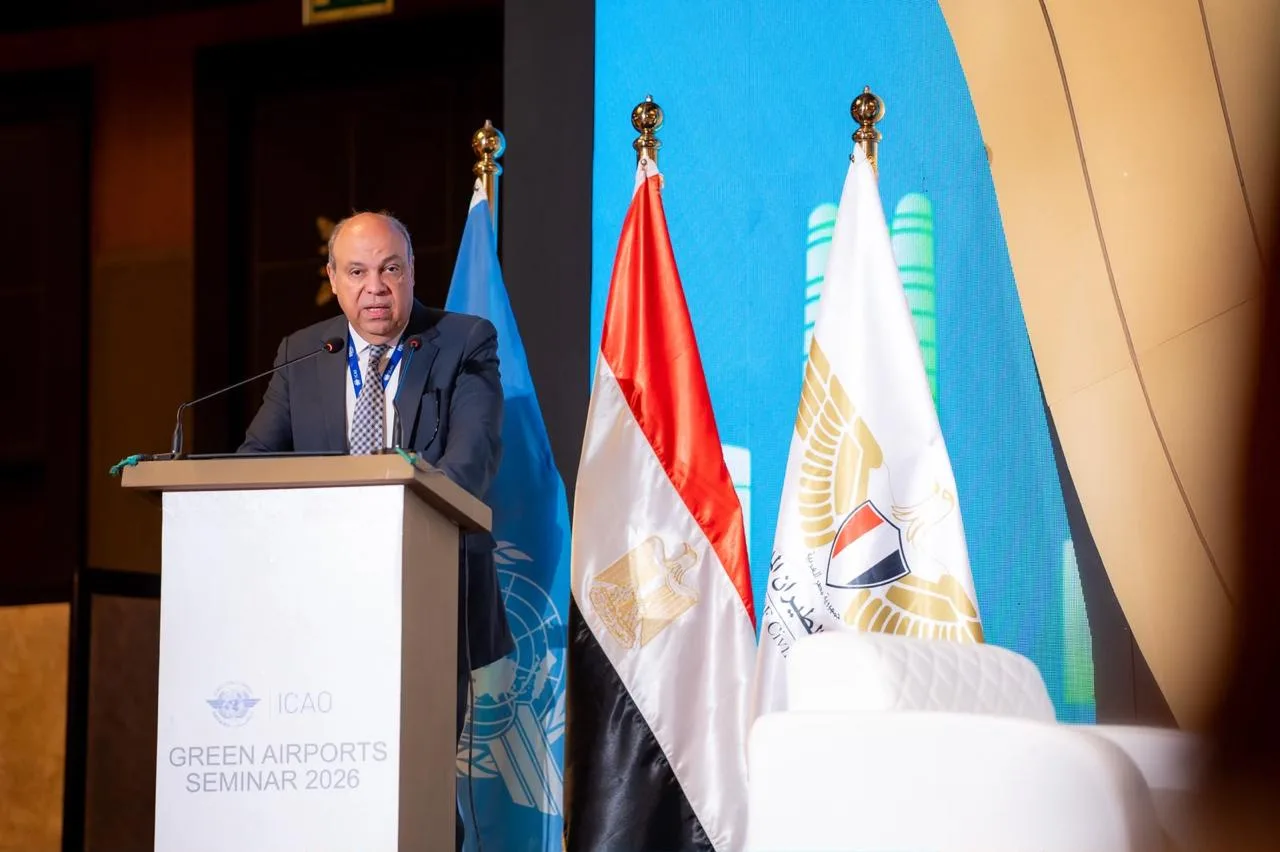
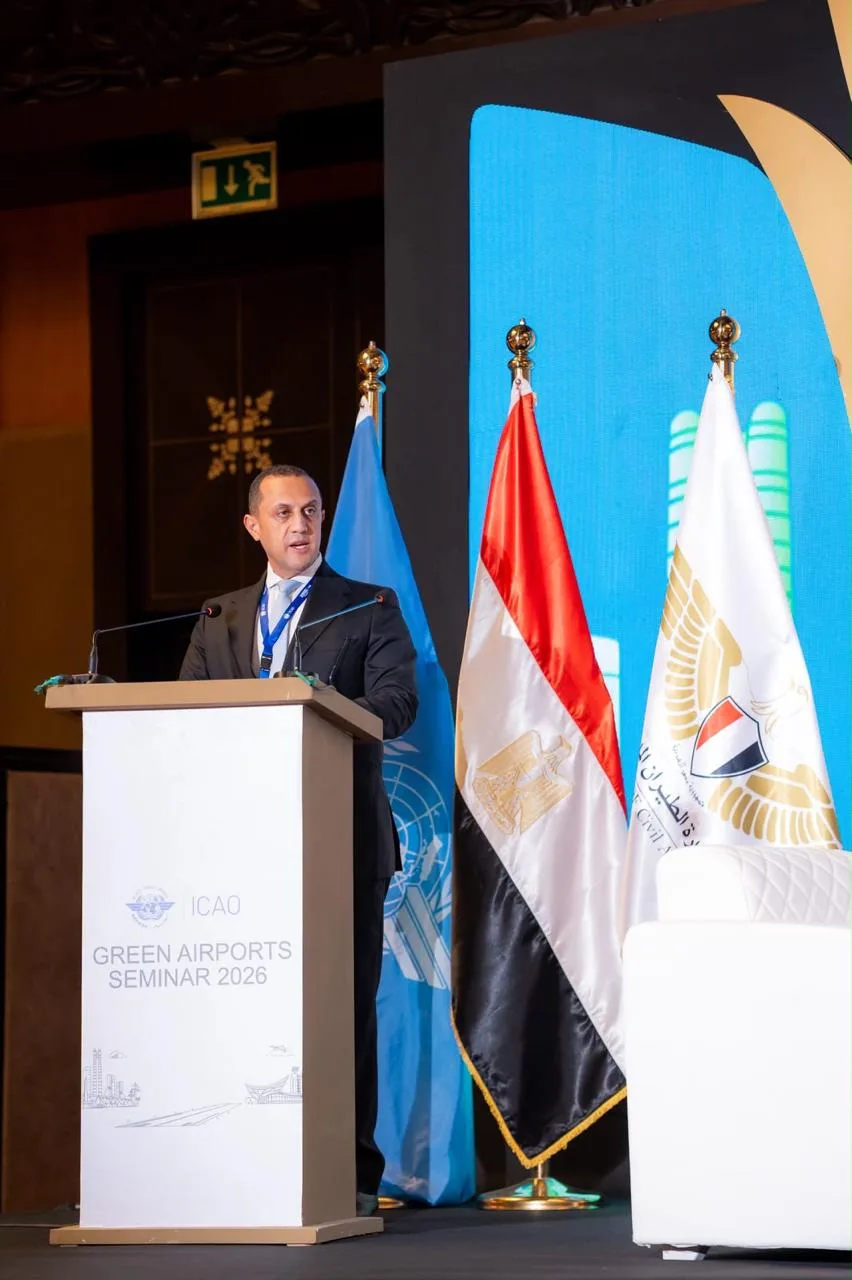
Minister of Civil Aviation Sameh El-Hefny has affirmed that the green transition is a key pillar of civil aviation development, stressing that sustainability has become a strategic necessity amid the continued growth of global air traffic and increasing environmental challenges.
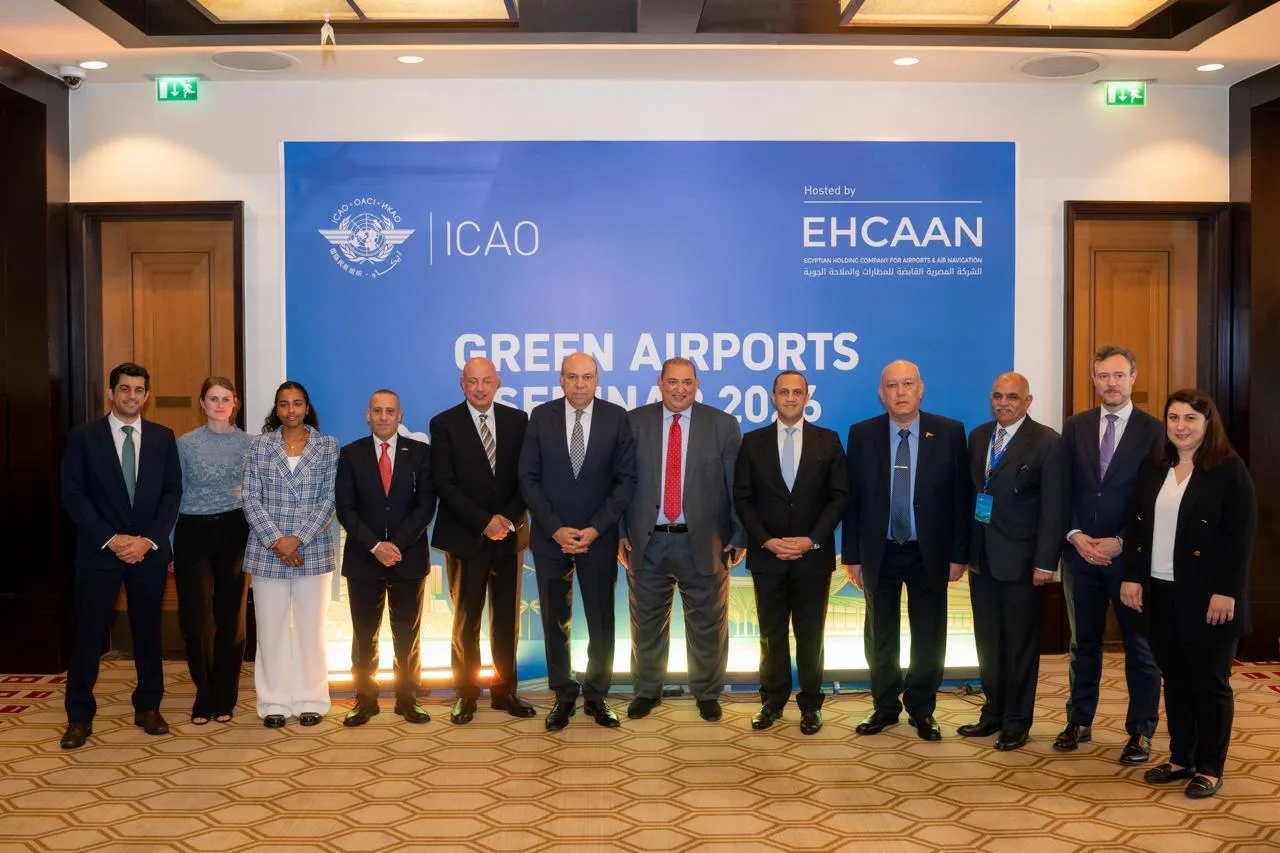
Speaking at the opening of the International Civil Aviation Organisation (ICAO) Green Airports Symposium, El-Hefny highlighted the importance of improving operational efficiency, reducing carbon emissions, optimising resource use, and strengthening airports’ resilience to climate change.
He noted that the main challenge is to balance the expansion of the aviation sector, which plays a vital role in connecting countries and economies, with the need to reduce its environmental impact.
This requires modernising infrastructure, improving operational practices, and enhancing energy and resource efficiency, with airports playing a central role in translating environmental objectives into practical, measurable results.
El-Hefny highlighted the progress achieved at Cairo International Airport, which recorded a 4 per cent reduction in total energy consumption despite passenger traffic growth of more than 9 per cent. This resulted in a 12.2 per cent improvement in energy efficiency per passenger.
The airport’s solar energy production capacity has reached approximately 4 megawatts, generating an estimated 6.4 million kilowatt-hours annually.
Additional measures include smart building management systems, energy-efficient lighting, expanded digital transformation, and improved water and waste management to reduce the environmental footprint of airport operations.
Sustainability initiatives are also being implemented at other Egyptian airports.
The new passenger terminal at Borg El Arab International Airport incorporates a solar energy system with a capacity of approximately 1.5 megawatts, alongside energy conservation, water treatment, and water reuse systems.
Meanwhile, Hurghada International Airport is participating in the “Green Hurghada” initiative in co-operation with the Ministry of Environment and the United Nations Industrial Development Organisation (UNIDO), supporting the adoption of sustainable environmental practices.
El-Hefny also highlighted Egypt’s participation in the FIRE project, launched by ICAO and the United Nations Environment Programme (UNEP), with support from the Global Environment Facility.
The initiative aims to replace firefighting foams containing per- and polyfluoroalkyl substances (PFAS) with safer environmental alternatives while maintaining aviation safety standards.
The project is currently being implemented at Cairo and Sharm El-Sheikh international airports, supporting environmental protection across the aviation sector.
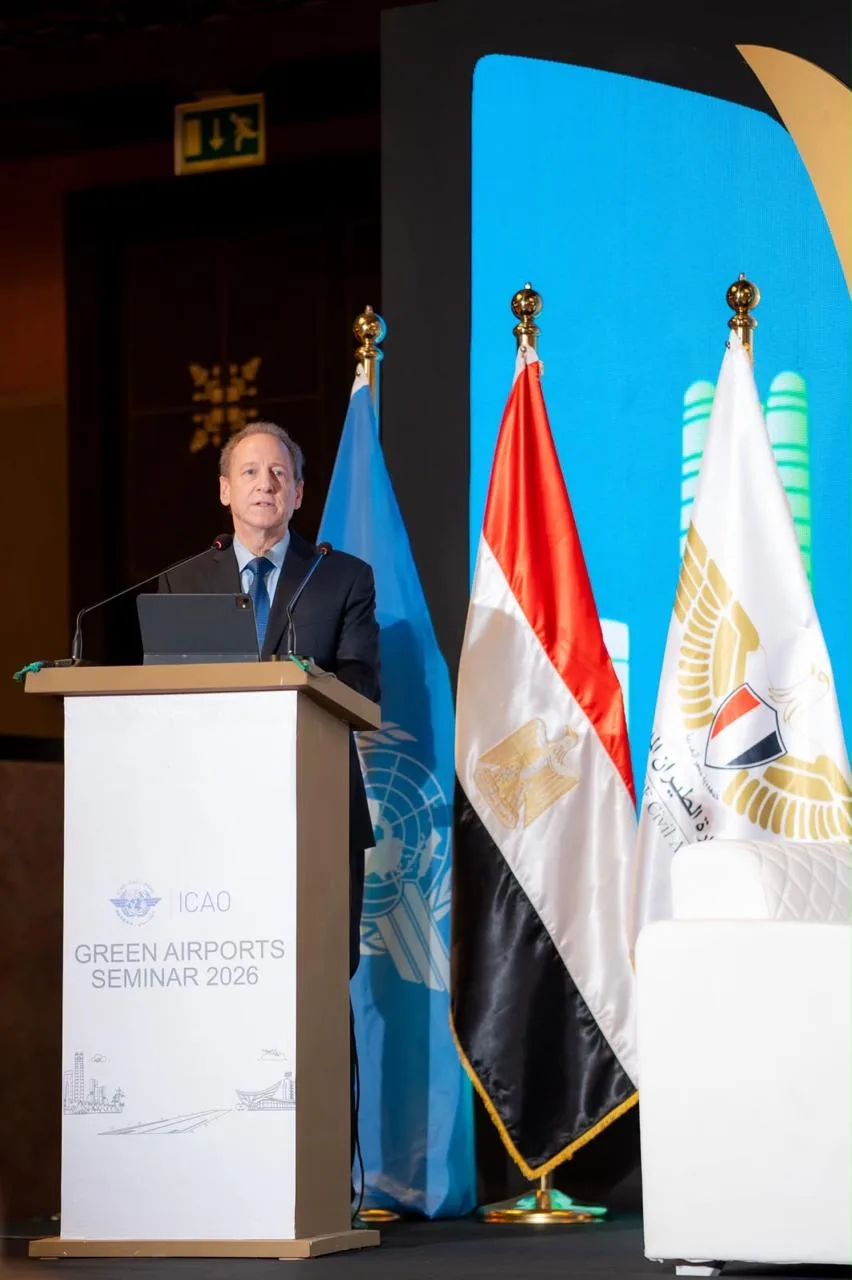
Secretary General of ICAO Juan Carlos Salazar stressed the need to intensify international efforts to develop green and climate-resilient airports in a prerecorded video address.
Priorities include expanding clean energy use, protecting critical infrastructure, and adapting airport operations to the effects of climate change.
Salazar noted that these efforts support ICAO’s 2050 strategic vision, which aims to make air travel accessible to all, achieve zero fatalities, and reach net-zero carbon emissions.
ICAO Middle East Regional Director Mohamed Rahma emphasised that aviation sustainability extends beyond reducing carbon emissions.
It also requires strengthening airports’ ability to withstand climate change and maintain operational continuity during extreme weather events, safeguarding infrastructure and service efficiency.
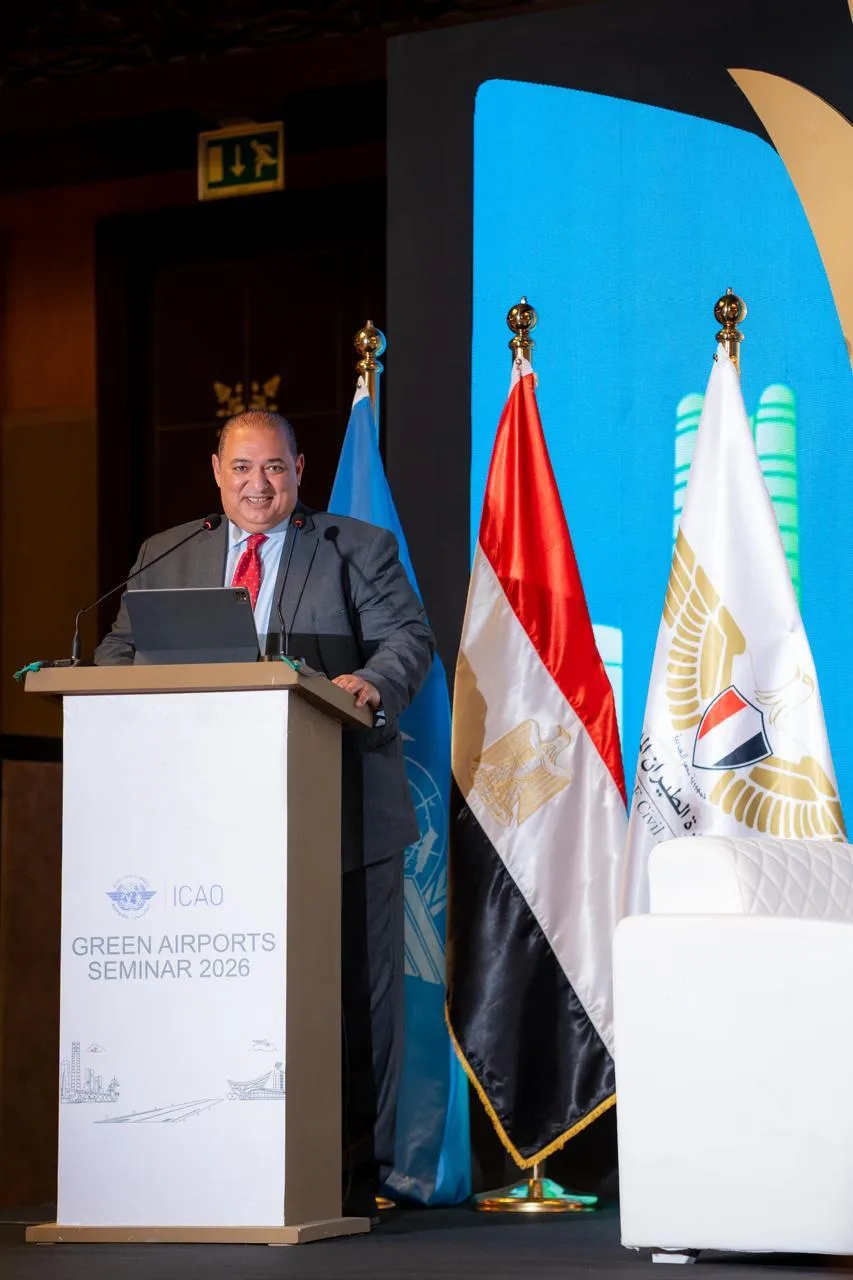
Ayman Arab, Chairman of the Egyptian Holding Company for Airports and Air Navigation, highlighted the need to modernise airport management and improve operational efficiency in response to rising passenger numbers while limiting environmental impacts.
Cairo International Airport handled more than 31 million passengers in 2025, while total passenger traffic across Egyptian airports reached approximately 62 million.
Arab stressed that digital transformation and modern operational systems are essential to improving services and streamlining passenger movement.
He also emphasised the importance of developing sustainable financing models and expanding partnerships with the private sector to support airport infrastructure projects and modernisation plans.
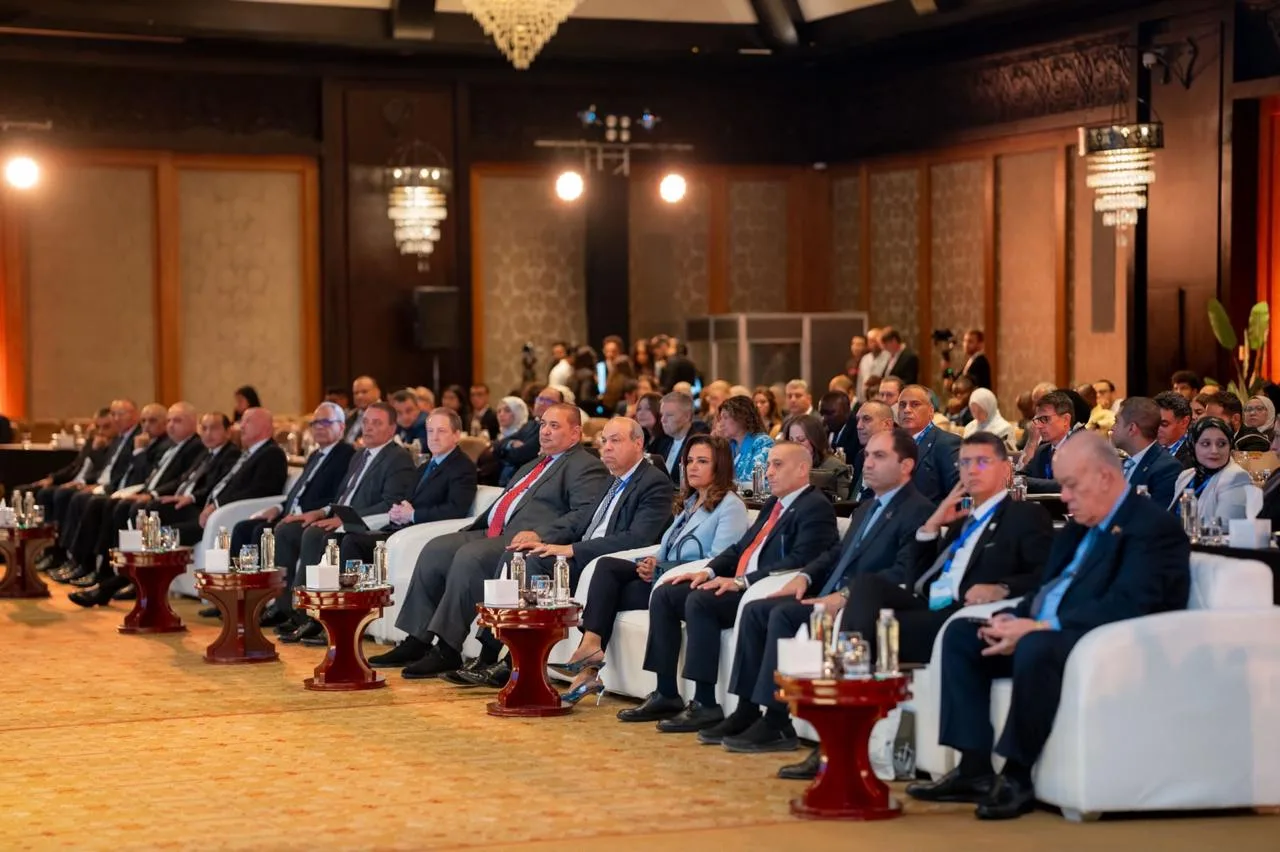
In his opening remarks at the ICAO Green Airports Seminar, Arab noted that the 2026 edition, following the 2024 event in Athens, is being held in Africa and the Middle East, a region experiencing rapid growth in air traffic alongside climate-related challenges, including extreme heat, dust, and pressure on water and energy resources.
Director General of Airports Council International (ACI) World Justin Erbacci highlighted the role of airports as major drivers of economic development through their contribution to trade, tourism, job creation, and connectivity between communities and markets.
He confirmed that sustainable airport development is essential to maintaining operational efficiency and ensuring that airports can continue supporting economic growth while responding to environmental challenges.

