





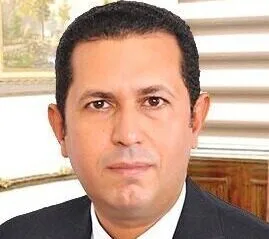



By Dr Mahmoud Kamel
Professor at the Academy of Arts
Artificial intelligence (AI) is changing the
field of translation, not only because it can produce translations, but also because it is changing the way translators deal with these translations.
One of the clearest examples of this change is post-editing, where the human translator starts with a machine-generated translation, then reviews it, corrects it and improves it instead of translating the whole text from the
beginning.
The danger of changing what was already correct
The study also showed another problem in
human-AI collaboration. Sometimes the students changed parts of the GPT-4
translation that were already correct and, as a result, introduced new errors.
Under the light post-editing with internet
search condition, for example, the students introduced 38 errors across 1,159
alignment groups. Terminology errors were particularly common among these newly
introduced errors.
This finding has an important lesson for
translators. Not every machine-generated sentence needs to be changed simply
because it was produced by a machine. Sometimes the best decision is to leave a
good translation as it is.
Post-editing, therefore, requires restraint as
well as correction. The translator has to know the difference between a real error and a sentence that is simply different from the way the translator might have written it. This is not only a language skill. It is also a skill of judgement.
Correcting without over-editing
This point becomes especially important in light
post-editing. The purpose of LPE is not to rewrite the whole machine translation. The translator is expected to make the text accurate and understandable while keeping as much of the original machine output as possible.
The study found that students sometimes kept
errors under the light post-editing condition. This may look like a weakness, but it also shows how difficult it can be to follow post-editing instructions correctly. The translator has to decide how much intervention is suitable for
the task.
Too little intervention may leave errors in the
text. Too much intervention may waste time and may also create new errors. The real challenge is to find the right balance.
When the cognitive load increases
The researchers also found differences between
light and full post-editing. Full post-editing is more demanding because the translator has to pay attention not only to accuracy but also to grammar, syntax, style and the overall quality of the text.
The task becomes even more difficult when the
translator has to consult external resources while making these decisions. The translator has to understand the source text, evaluate the AI translation, identify errors, consult terminology or other sources, make corrections and at the same time make sure that the final text meets the required standard.
This shows that post-editing is not simply a
matter of checking what AI has written. It is a complex activity in which the translator has to make many decisions and evaluate different possibilities.
The importance of research skills
Perhaps one of the most useful lessons of the
chapter concerns research competence. A translator may know how to search Google, but this does not necessarily mean that the translator knows how to carry out effective translation research.
When the students used Internet searches, they
sometimes found information that led them to change correct terminology into incorrect terminology. This suggests that future translators need more than technological knowledge. They also need information literacy, i.e. the ability to evaluate sources, compare information, identify reliable terminology and
decide whether the information they find is really relevant to the translation
problem.
This skill is becoming even more important with Generative AI. The translator is now evaluating two things at the same time:
the original source text and the machine’s interpretation of that text. Both need to be examined carefully.
Learning when not to trust AI
Another lesson from the study is the importance of what may be called calibrated trust. Translators should not accept AI output
blindly, but they should not reject it automatically either.
The GPT-4 output in the experiment was often
useful, and the students were able to reduce its errors substantially. At the same time, the machine output contained errors that needed human attention. The translator therefore needs to develop the ability to recognise where AI is likely to be reliable and where closer examination is needed.
This is especially important because the fluency
of Generative AI can make its errors difficult to notice. A poor machine translation usually attracts attention.
A fluent but inaccurate translation maynot. The more convincing the machine becomes, the more important careful human evaluation becomes.
What this means for translator education
The implications of this study go beyond the
experiment itself. If future translators are going to work regularly with Generative AI, translation education cannot focus only on traditional translation from scratch. Students also need systematic training in
post-editing.
They need to learn how to identify different
types of machine-generated errors, how to distinguish critical from minor problems, how to avoid unnecessary intervention and how to follow different post-editing guidelines. They also need training in terminology management and information literacy, especially in evaluating online sources.
Most importantly, students need opportunities to work with different post-editing situations. A translator who knows how to perform full post-editing may not automatically know how to perform light post-editing.
A translator who can search the internet may not necessarily know how to evaluate the information found there. And a translator who can correct AI output may still need to learn when correction is not necessary.
These are skills that translation education will
increasingly need to address as AI becomes a normal part of the translator’s professional environment.
AI as a collaborator, not an authority
The findings of Chapter 9 point towards a model
of translation in which Generative AI becomes part of the translator’s working environment. GPT-4 can provide a useful starting point, save time and produce a first version of a translation.
In many cases, this can reduce the amount of work needed to produce the final
text.
But the human translator remains responsible for evaluating the output and making the final decisions. This does not mean that translators should reject AI. Rather, the study suggests that future translators need to become better at working with AI and more skilled in
deciding how and when to use it.
The important question is therefore no longer
simply whether AI can translate. The more useful question is whether the human
translator knows how to work effectively with AI.
A new kind of translation expertise
For many years, translation expertise was mainly associated with language proficiency, subject knowledge and professional
experience. These qualities remain essential, but the AI era is adding new dimensions to the translator’ work.
The translator increasingly needs to understand
machine-generated language, recognise common AI errors, manage terminology
resources, conduct effective online research and make quick decisions about when to accept, change or reject a machine suggestion.
Translation competence is therefore becoming, at least partly, a competence in human-machine collaboration. The translator is no longer working only with the source text. The translator is working with the source text, the machine-generated translation and a technological environment that is changing very quickly.
This does not make the translator less
important. In fact, it makes human judgement more important because the translator is increasingly responsible for evaluating and directing the work of the technological system.
The final decision sill belongs to the translator
Chapter 9 offers an interesting perspective on
the future of AI-assisted translation. Its main concern is not simply whether humans or machines are better. It is how the two can work together effectively and where human judgement remains necessary.
GPT-4 can produce a translation in seconds. A
human translator can then examine it, question it, verify it, correct it and decide whether a suggested change actually improves the text.
But the study also reminds us that human intervention is not automatically beneficial. A
translator can miss an error, introduce a new error, search for information and choose the wrong answer, or change a machine translation that was already acceptable.
The future of translation will therefore depend
not only on the development of more capable AI systems, but also on the development of better-trained translators. The translator of the future will need to know not only how to translate a text, but also how to read the machine that has attempted to translate it.
And perhaps the most important skill of all will
be knowing when the machine is wrong.

