


• Latest
  • Trending
  • All
  • Egypt
  • Business
  • Local
  • World
How US manages its interests in ME (3 – 3)

New superpower taking shape around food, water, climate  (5-5) 

August 2, 2026

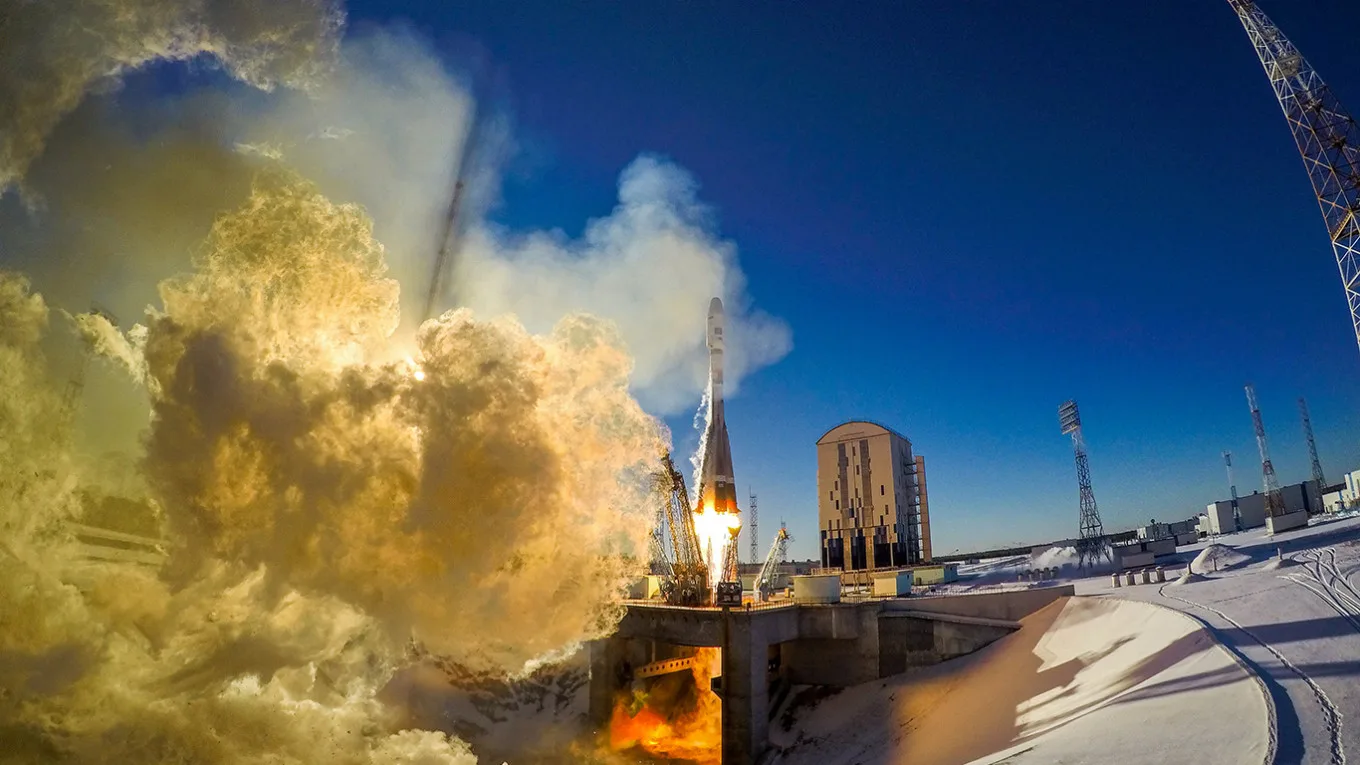
Kremlin dismisses reports about alleged nuclear-armed satellite launch

November 23, 2026
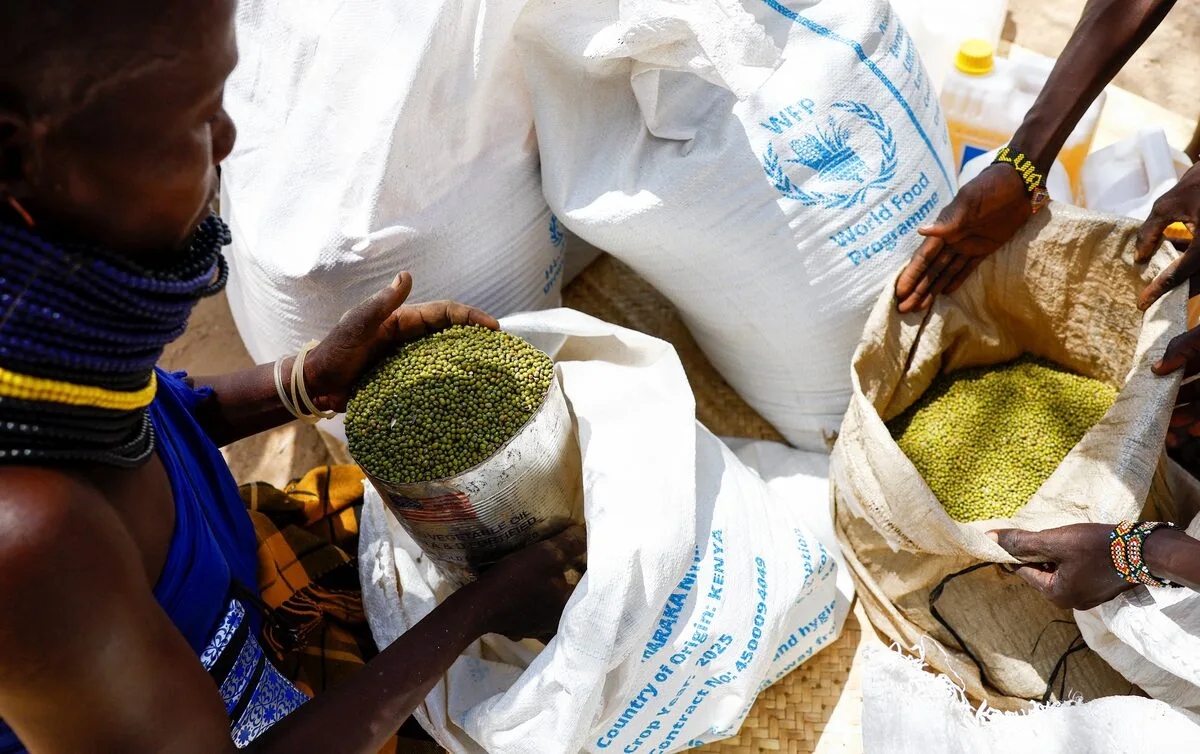
Wars put food aid at risk for 7.3 million more, UN warns

Wars put food aid at risk for 7.3 million more, UN warns

November 23, 2026
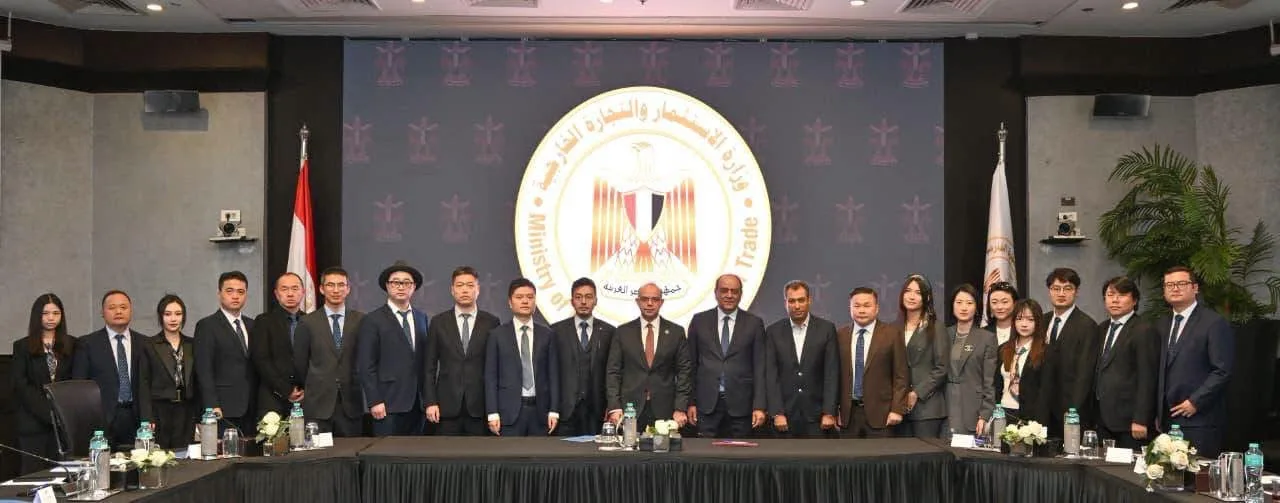
Talks to promote investment opportunities to Chinese companies

Talks to promote investment opportunities to Chinese companies

November 23, 2026
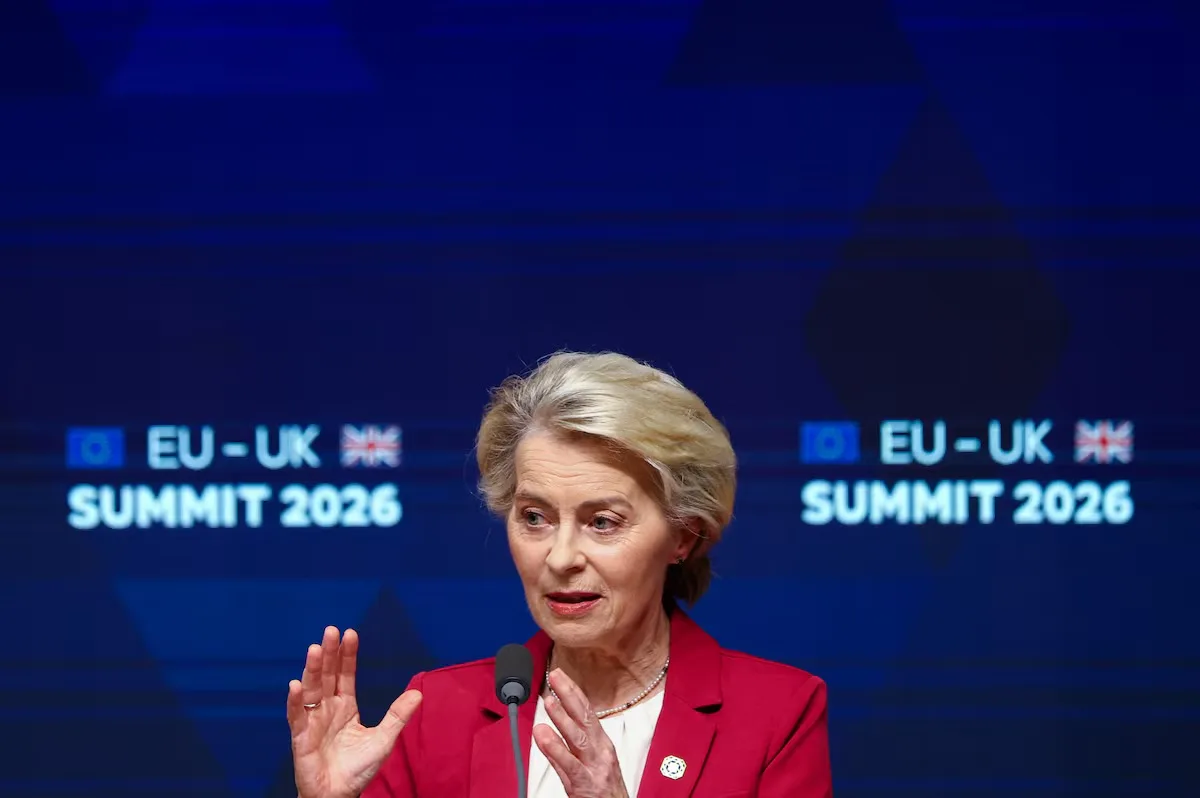
EU Commission proposes 22nd sanctions package on Russia

EU Commission proposes 22nd sanctions package on Russia

November 23, 2026
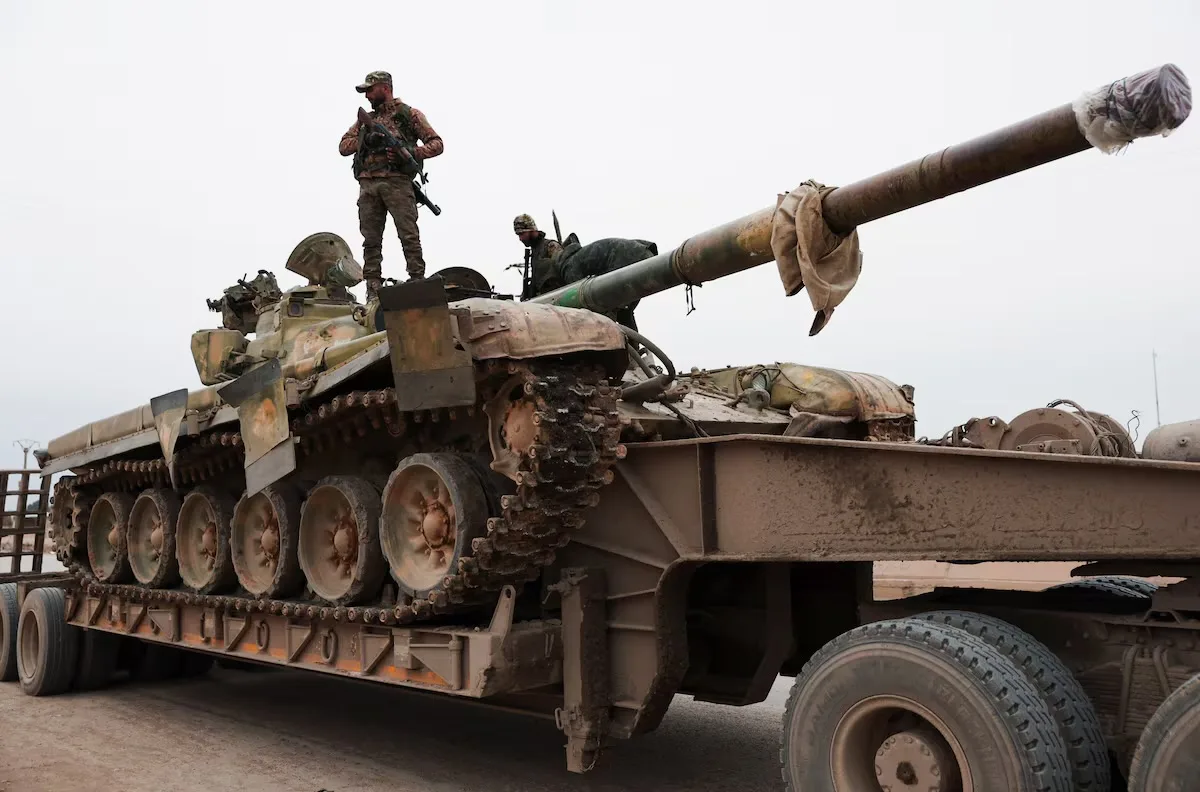
US discussing military training for Syrian forces

US discussing military training for Syrian forces

November 23, 2026
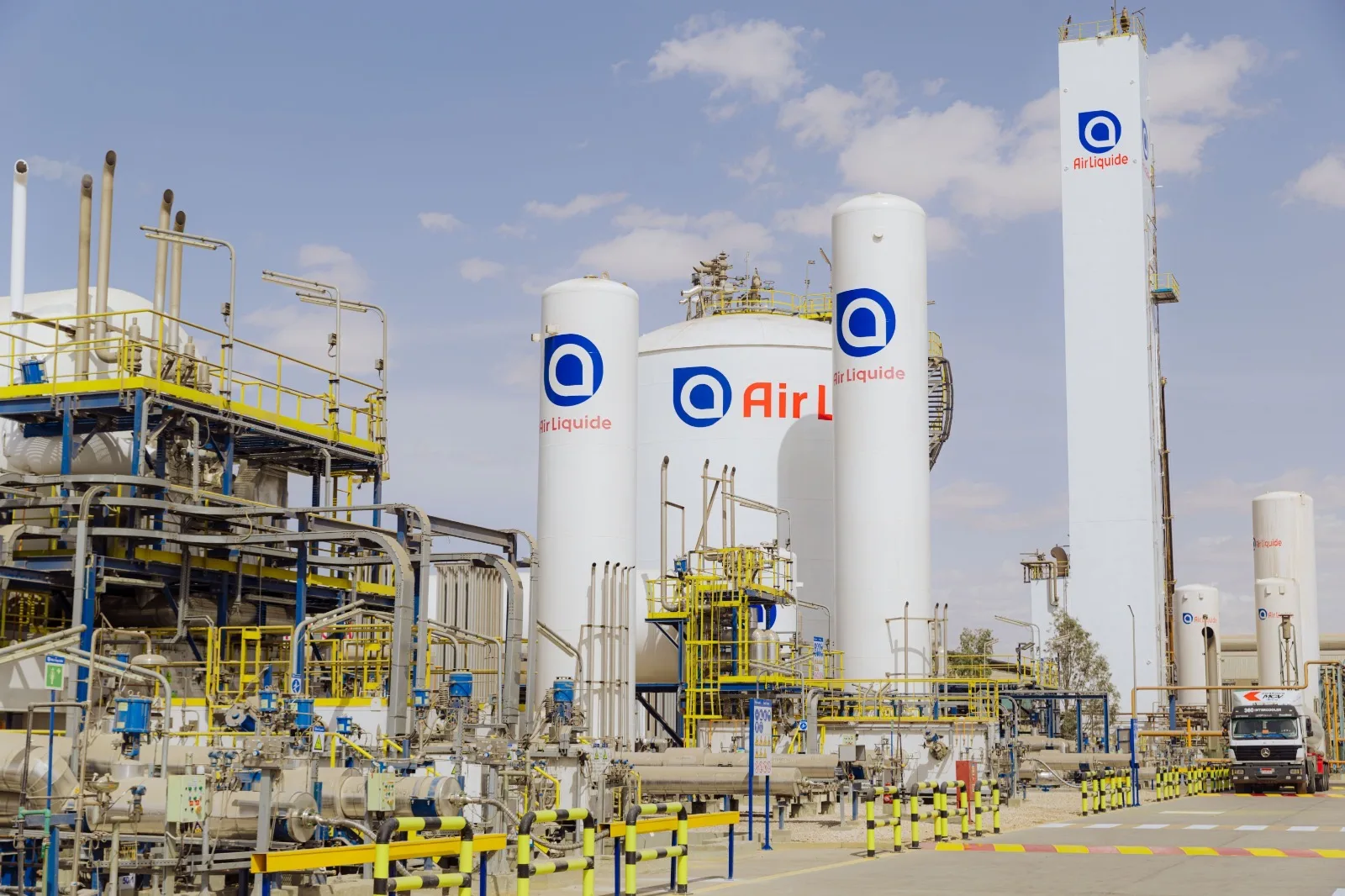
Air Liquide Egypt begins supplying Saint-Gobain’s Glass Plants under long-term Sokhna agreement

Air Liquide Egypt begins supplying Saint-Gobain’s Glass Plants under long-term Sokhna agreement

November 23, 2026
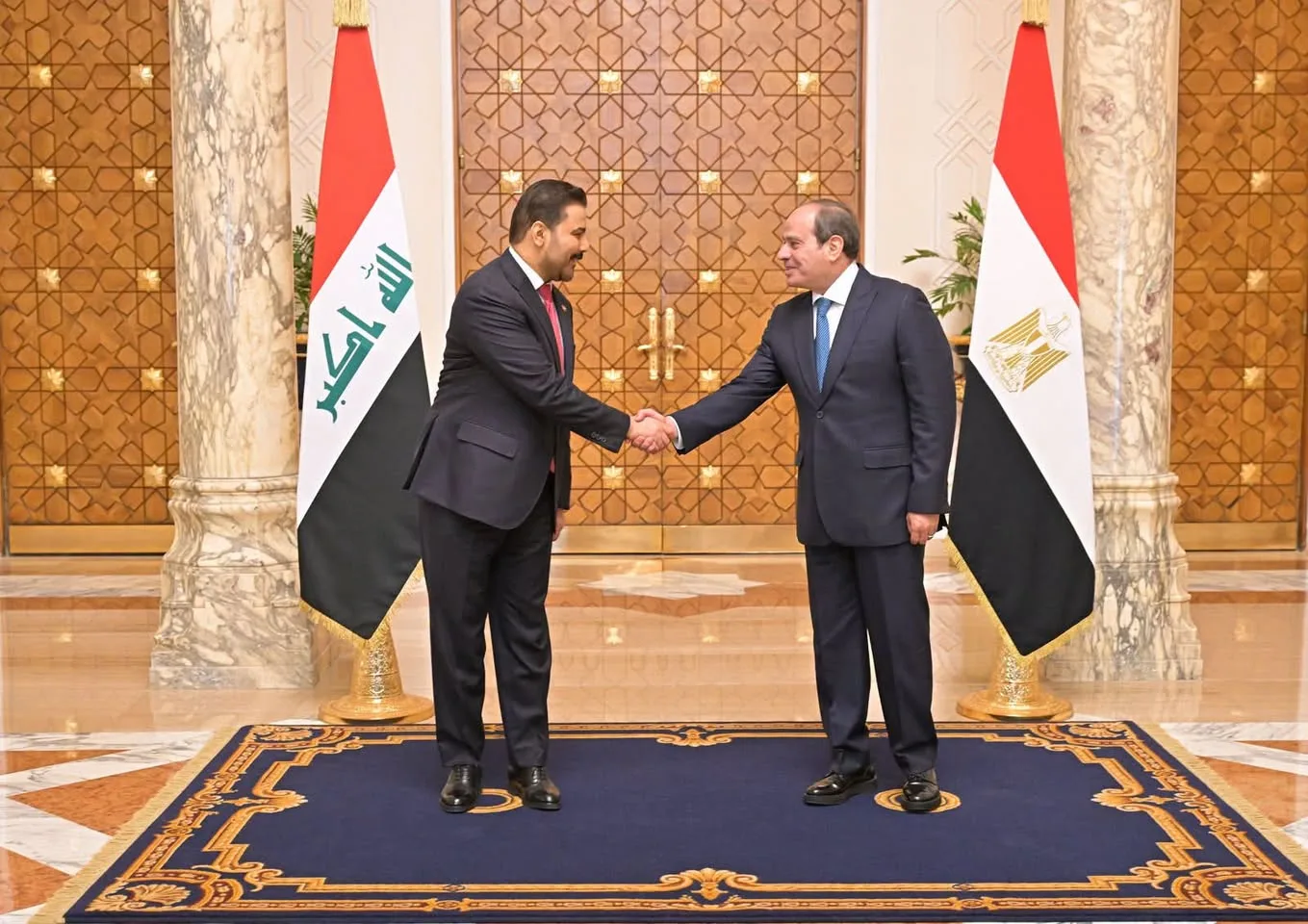
President Sisi, Iraqi PM discuss strategic ties, regional developments

President Sisi, Iraqi PM discuss strategic ties, regional developments

November 23, 2026
Spain’s right set to win majority despite Socialist gains

Spain’s right set to win majority despite Socialist gains

November 23, 2026
Kremlin dismisses reports about alleged nuclear-armed satellite launch

Kremlin dismisses reports about alleged nuclear-armed satellite launch

November 23, 2026
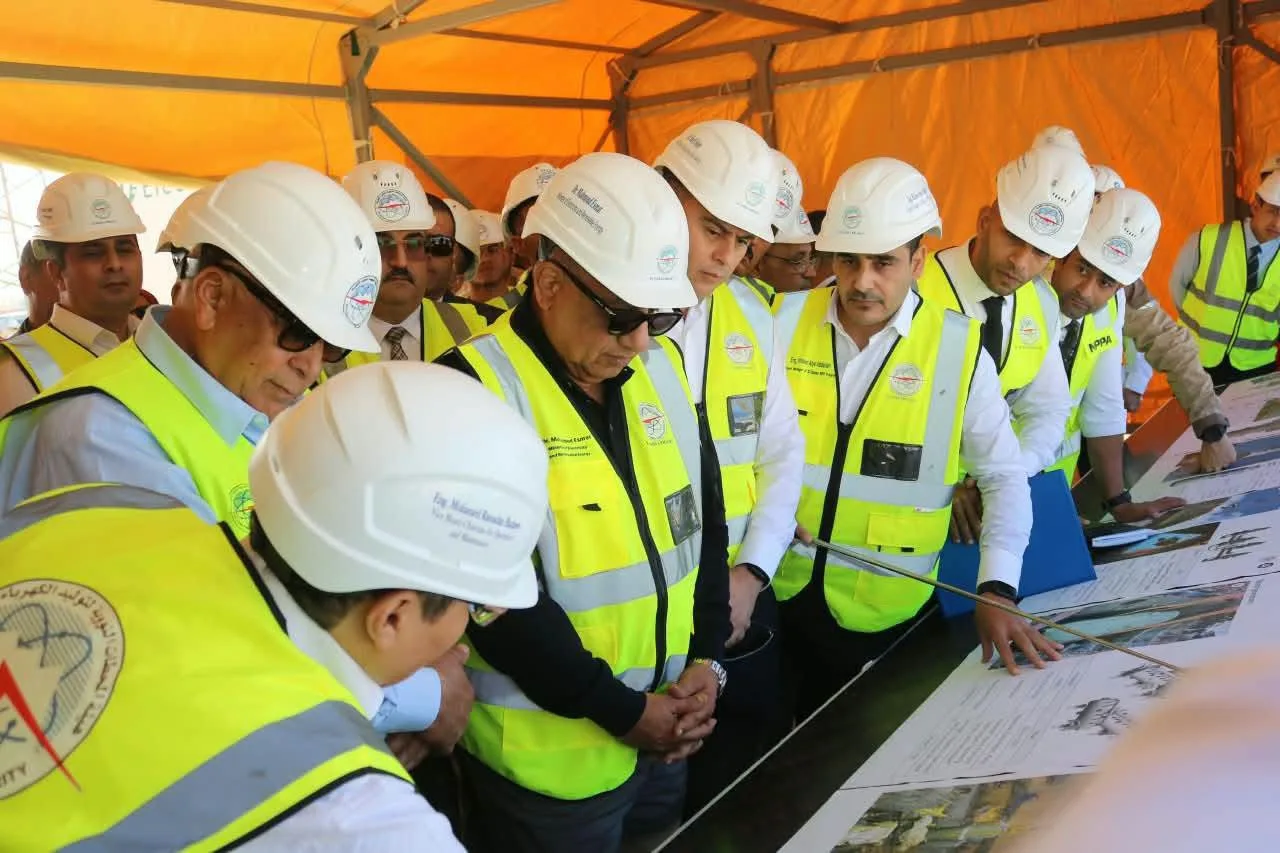
Electricity Min. marks key milestone at El Dabaa nuclear project

Electricity Min. marks key milestone at El Dabaa nuclear project

November 23, 2026
  • Advertise
  • Privacy & Policy
  • Contact
Monday, November 23, 2026
  • Login

Editor-in-Chief

Mohamed Fahmy

Board Chairman

Tarek Lotfy

Egyptian Gazette
No Result
View All Result
  • HOME
  • EGYPT
    • Local
    • Features
  • World
    • National Day
  • Technology
  • BUSINESS
    • Real Estate
    • Automotive
  • SPORTS
  • ENTERTAINMENT
    • Arts
    • Health
    • Lifestyle
    • Travel
    • Tourism
    • Odd News
  • Skyward
    • Snippets from EgyptAir history
  • MORE
    • Multimedia
      • Video
      • Podcast
      • Gallery
    • OP-ED
No Result
View All Result
Egyptian Gazette
Home OP-ED

New superpower taking shape around food, water, climate  (5-5) 

by Gazette Staff
August 2, 2026
in OP-ED
New superpower taking shape around food, water, climate  (5-5)  11 - Egyptian Gazette
Share on FacebookWhatsapp

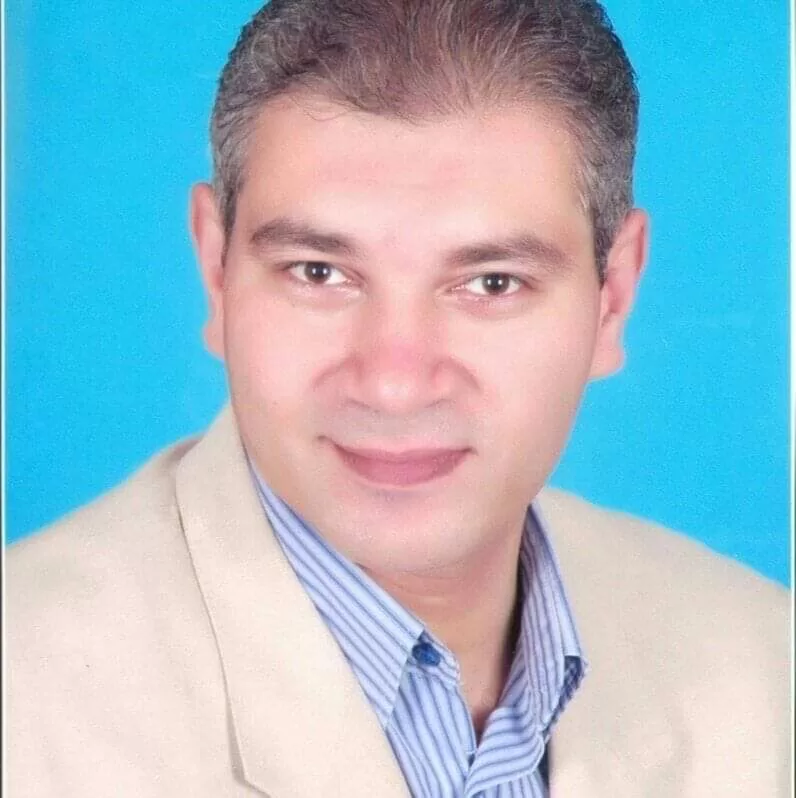
Dr Ashraf Abul Saud

The relationship between climate colonialism and the Green Revolution was never a simple story of success or failure, conspiracy or pure progress. It was a complicated partnership.

Critical studies make clear that the real issue was not some open global plan to dominate developing countries.

It was the quiet creation of an international system that offered a handful of powerful actors far more control than others over how agriculture and climate policy would develop worldwide.

Historically, the Green Revolution did raise food production in several countries and helped reduce the threat of famine in places, such as India, Mexico and the Philippines.

Those gains, however, came with serious costs. Dependence on industrial fertilisers, pesticides and machinery grew.

Agricultural and biological diversity shrank in some regions. A small group of companies that owned the seeds and the technology gained increasing influence. Outside financing expanded, and with it came the power to shape the agricultural policies of many nations.

Judging the Green Revolution solely by how much grain it produced therefore misses the larger point.

What matters is how it changed the balance of power inside the global food system. States kept their formal legal sovereignty.

In practice, their choices on farming and climate became constrained by international trade rules, intellectual property rights, financing conditions, environmental standards and access to advanced technology.

Sovereignty was not seized by force. It was reshaped and absorbed into an economic and institutional structure that made independent options more expensive and less realistic.

Five mechanisms quietly erode national control and redirect it. The first is the monopoly of scientific knowledge.

Those who fund and produce the technology decide which research priorities matter and which policies will govern them.

Control over genetic resources and seeds redistributes power at the very start of the production chain.

International finance and structural reform programmes then weaken a country’s ability to set its own national policies.

The result is the outsized influence of multinational companies across food value chains, an influence that goes well beyond ordinary commerce.

Seen this way, the system has a clear structure. Multinational companies act as its executive arm. International financial institutions supply the financing. The scientific research apparatus provides the knowledge. Intellectual property rules and trade agreements form the legal framework.

When these elements pull in the same direction, the capacity of many countries in the Global South to shape their own agricultural and climate policies steadily declines.

Nations now face a new equation of international power, built under the banner of green transformation.

Climate technology, climate finance and carbon markets sit at its centre.

Climate change has already shown that protecting borders is no longer enough to guarantee a country’s security.

Food security, water security, technological independence and the ability to manage environmental change have become essential parts of national security itself.

Dr Ashraf Abul Saud is a writer and an international relations scholar.
[email protected]

Tags: Climate changeFoodWater
ADVERTISEMENT
egyptian-gazette-logo

The Egyptian Gazette is the oldest English-language daily newspaper in the Middle East.
It was first published on January 26, 1880 and it is part of El Tahrir Printing and Publishing House.

Follow Us

Kremlin dismisses reports about alleged nuclear-armed satellite launch

Wars put food aid at risk for 7.3 million more, UN warns

Talks to promote investment opportunities to Chinese companies

EU Commission proposes 22nd sanctions package on Russia

US discussing military training for Syrian forces

  • Advertise
  • Privacy & Policy
  • Contact

Copyrights for © Egyptian Gazette - Administered by Digital Transformation Management.

Welcome Back!

Login to your account below

Forgotten Password?

Retrieve your password

Please enter your username or email address to reset your password.

Log In
No Result
View All Result
  • HOME
  • EGYPT
    • Local
    • Features
  • World
    • National Day
  • Technology
  • BUSINESS
    • Real Estate
    • Automotive
  • SPORTS
  • ENTERTAINMENT
    • Arts
    • Health
    • Lifestyle
    • Travel
    • Tourism
    • Odd News
  • Skyward
    • Snippets from EgyptAir history
  • MORE
    • Multimedia
      • Video
      • Podcast
      • Gallery
    • OP-ED

Copyrights for © Egyptian Gazette - Administered by Digital Transformation Management.

This website uses cookies. By continuing to use this website you are giving consent to cookies being used. Visit our Privacy and Cookie Policy.