


• Latest
  • Trending
  • All
  • Egypt
  • Business
  • Local
  • World
How US manages its interests in ME (3 – 3)

How disinformation has turned into global power tool  (3–3)

June 28, 2026
Egypt, UAE FMs discuss ties, regional developments

Egypt, UAE FMs discuss ties, regional developments

August 13, 2026
Miami knocked out of Leagues Cup

Miami knocked out of Leagues Cup

August 13, 2026
Ukrainian drone strikes push up Russian trucking costs

Ukrainian drone strikes push up Russian trucking costs

August 13, 2026
GAFI: 3,366 Chinese companies operate across key Egyptian sectors

GAFI: 3,366 Chinese companies operate across key Egyptian sectors

August 13, 2026

Egypt, UAE FMs discuss regional developments

August 13, 2026
Egypt’s Tahya Misr Fund marks 12 years with aid for vulnerable families

Egypt’s Tahya Misr Fund marks 12 years with aid for vulnerable families

August 12, 2026
Egypt prepares documentary on Agatha Christie’s Aswan visits

Egypt prepares documentary on Agatha Christie’s Aswan visits

August 12, 2026
Egypt repays $16b to IMF as outstanding debt falls to $9.3b

Egypt repays $16b to IMF as outstanding debt falls to $9.3b

August 12, 2026

President Sisi: Youth are Egypt’s strength, makers of future

August 12, 2026
Australia to make tech companies pay more outlets for content

Australia to make tech companies pay more outlets for content

August 12, 2026
  • Advertise
  • Privacy & Policy
  • Contact
Thursday, August 13, 2026
  • Login

Editor-in-Chief

Mohamed Fahmy

Board Chairman

Tarek Lotfy

Egyptian Gazette
No Result
View All Result
  • HOME
  • EGYPT
    • Local
    • Features
  • World
    • National Day
  • Technology
  • BUSINESS
    • Real Estate
    • Automotive
  • SPORTS
  • ENTERTAINMENT
    • Arts
    • Health
    • Lifestyle
    • Travel
  • Skyward
    • Snippets from EgyptAir history
  • MORE
    • Multimedia
      • Video
      • Podcast
      • Gallery
    • OP-ED
  • HOME
  • EGYPT
    • Local
    • Features
  • World
    • National Day
  • Technology
  • BUSINESS
    • Real Estate
    • Automotive
  • SPORTS
  • ENTERTAINMENT
    • Arts
    • Health
    • Lifestyle
    • Travel
  • Skyward
    • Snippets from EgyptAir history
  • MORE
    • Multimedia
      • Video
      • Podcast
      • Gallery
    • OP-ED
No Result
View All Result
Egyptian Gazette
No Result
View All Result
Home OP-ED

How disinformation has turned into global power tool  (3–3)

by Gazette Staff
June 28, 2026
in OP-ED
How disinformation has turned into global power tool  (3–3) 10 - Egyptian Gazette
Share on FacebookWhatsapp

Ashraf Abul Saud

Lying and disinformation in international relations are not rare or limited to times of war and crisis anymore.

They have become a normal part of the information world that countries and societies deal with in the 21st century.

Thanks to the huge rise of digital technology and social media, governments no longer control political stories or information flows on their own.

New players have stepped in to create and spread content, shaping public opinion, both locally and around the world in ways we have never seen before.

In this environment, the idea of “Alternative Facts” became famous in 2017. Kellyanne Conway, an adviser to President Donald Trump, used it to defend White House spokesman Sean Spicer’s claims about the crowd size at Trump’s inauguration.

That sparked a big debate about trying to present disputed claims as equally valid as proven facts.

This fits into what is known as post-truth politics. Here, actual evidence and objective facts matter less in shaping what people believe, while emotions, personal feelings, and political loyalties count for more.

In these situations, the winning argument is not always the most accurate one, but the one that stirs up fear, anger, hope, or a sense of danger.

That is why populist messages have grown stronger in many countries. They often take complicated problems and turn them into simple stories that are easy to grasp and get large groups of people fired up.

Economic troubles, migration waves, or big social changes get blamed on outside plots or the mistakes of old political elites.

This leads to solutions that sound appealing but do not really work in practice. These tactics include exaggerating outside threats, pointing to an enemy as the cause of domestic problems, doubting the value of international organisations, and pushing stories that support pulling out of agreements or ignoring existing commitments.

It can also cross borders by backing similar movements abroad or running information campaigns to influence other societies.

One example was President Trump’s comments about Mexican immigrants, where he called some of them criminals and drug dealers. It showed how political talk can change how people see issues like immigration, security, and national identity.

With artificial intelligence and digital faking tools, disinformation has gone beyond words and rumours.

Now it is possible to create fake photos, videos, and audio that are hard to tell apart from the real thing.

This has opened up new kinds of virtual lying that can sway public views and mess with political and diplomatic decisions, without the need for actual military force.

In all this, images have become incredibly powerful tools for influence. They do not just show an event, but help shape what it means and build shared memories around it.

The 1972 photo of the Vietnamese girl Kim Phuc, known as the “Napalm Girl”, went far beyond news reporting. It became a worldwide symbol of civilian suffering in war and deepened America’s debate about whether the Vietnam War was worth continuing.

The 2004 images of abuse at Abu Ghraib prison in Iraq shocked the world. They damaged America’s claims about promoting democracy and human rights, and triggered widespread criticism across Arab and Muslim societies.

The famous “Tank Man” photo from Tiananmen Square in 1989, one lone protester standing in front of a line of tanks, has become an enduring symbol of courage and resistance to oppression. It has been used for decades in global talks about political freedom and human rights.

Between truth and interpretation, facts and stories, a whole new battlefield has opened up in international affairs.

Information has turned into a tool of power that is just as important as armies, economies, or technology.

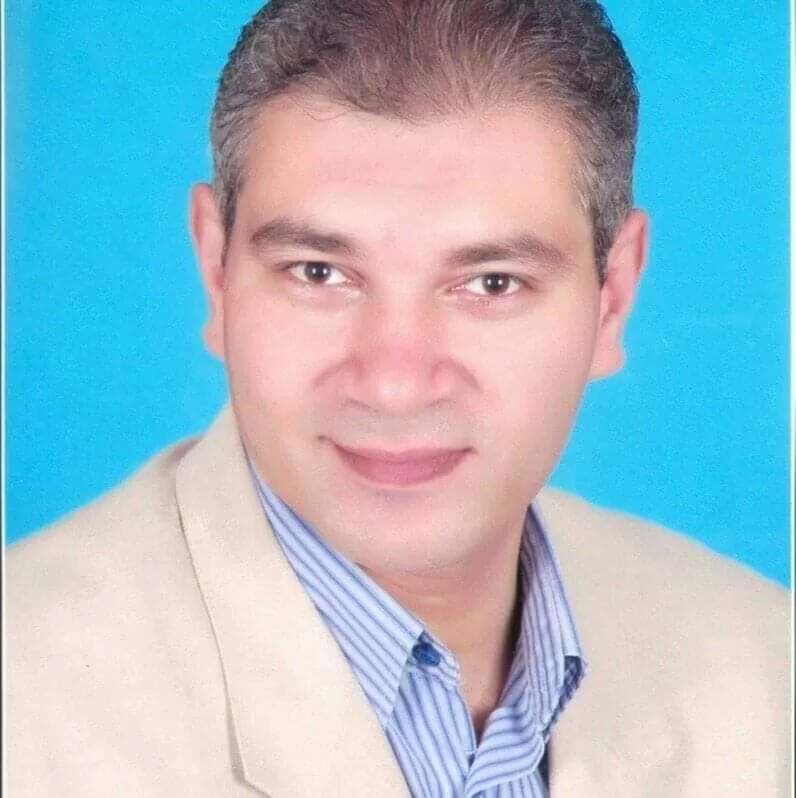
Dr Ashraf Abul Saud is a writer and an international relations scholar.

[email protected]

Tags: Global powerInternational relationsWar
ADVERTISEMENT
egyptian-gazette-logo

The Egyptian Gazette is the oldest English-language daily newspaper in the Middle East.
It was first published on January 26, 1880 and it is part of El Tahrir Printing and Publishing House.

Follow Us

Gazette Notifications

Would you like to receive notifications on our latest news ?

  • Advertise
  • Privacy & Policy
  • Contact

Copyrights for © Egyptian Gazette - Administered by Digital Transformation Management.

Welcome Back!

Login to your account below

Forgotten Password?

Retrieve your password

Please enter your username or email address to reset your password.

Log In
No Result
View All Result
  • HOME
  • EGYPT
    • Local
    • Features
  • World
    • National Day
  • Technology
  • BUSINESS
    • Real Estate
    • Automotive
  • SPORTS
  • ENTERTAINMENT
    • Arts
    • Health
    • Lifestyle
    • Travel
  • Skyward
    • Snippets from EgyptAir history
  • MORE
    • Multimedia
      • Video
      • Podcast
      • Gallery
    • OP-ED

Copyrights for © Egyptian Gazette - Administered by Digital Transformation Management.

This website uses cookies. By continuing to use this website you are giving consent to cookies being used. Visit our Privacy and Cookie Policy.
