



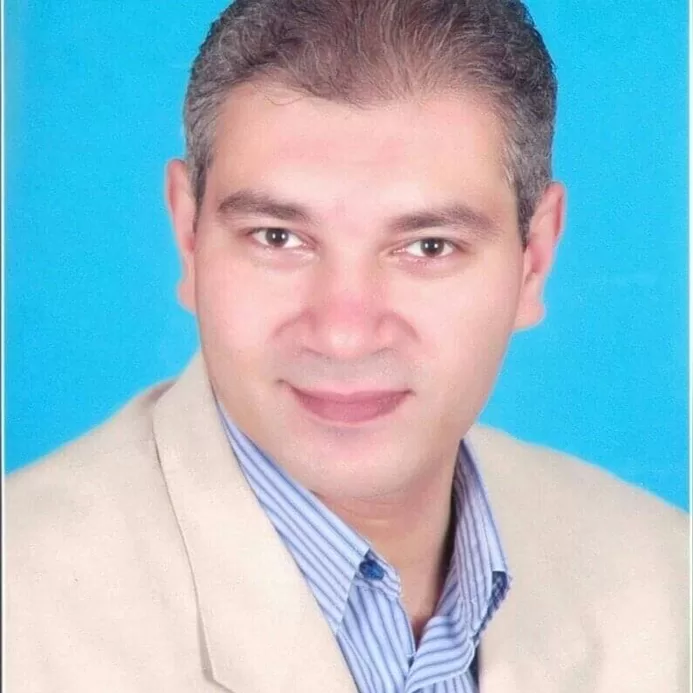




By Ibrahim Negm
We face outward with the language of solidarity and inward with the habits of suspicion. We speak of one Muslim community, then treat disagreement as betrayal. We call for justice in the world, yet sometimes deny fairness to the person beside us.
This is the contradiction we must confront: we cannot build solidarity on contempt.
Across the global Muslim community, we have powerful reasons to stand together: a shared scripture, a common spiritual inheritance, and a faith that makes care for others a duty. Yet none of these can protect us from division if we turn them into badges of belonging rather than standards of conduct.
A community does not become united simply because its members repeat the same slogans. The real test comes when they disagree.
The Qur’an offers an unsettling image: “Their hostility among themselves is severe. You think they are united, but their hearts are divided” (59:14). The verse belongs to a particular historical context; it is not a verdict on Muslims today. But its warning deserves our attention. Outward togetherness can conceal inward estrangement. We can stand shoulder to shoulder while our hearts move further apart.
And when that happens, strength becomes self-destructive. Energy that should defend the vulnerable is spent defeating rivals. Words that should clarify become weapons. Differences that could deepen understanding become reasons to withdraw recognition, respect, even compassion.
Yes, external aggression and injustice must be confronted. Those responsible must be held accountable. But their wrongdoing does not absolve us of ours. Not every wound begins outside our community. We inflict some ourselves—when faction matters more than fairness, when pride matters more than truth, and when humiliating an opponent becomes more satisfying than solving a problem.
This is not only a question of geopolitics. It is a question of everyday behaviour.
It begins when a family disagreement becomes a permanent rupture. When a colleague’s mistake becomes an opportunity for revenge. When a religious difference becomes an accusation about someone’s faith. When we read a stranger’s words in the worst possible light, then share our judgment before checking whether it is true.
We demand generosity for our own mistakes and certainty about everyone else’s motives.
The Prophet Muhammad warned against precisely this impulse: “Beware of suspicion, for suspicion is the most false of speech.” He also instructed believers not to hate or turn away from one another, but to live as brothers and sisters. These teachings challenge us at the moment we are most tempted to ignore them: when we feel offended, threatened, or certain of our own righteousness.
But let us be clear: unity is not silence.
Writing from Egypt, I believe those of us with a public voice must start here. Religious leaders, educators, journalists, and writers should not measure success by the fury we generate. An angry audience is not necessarily an enlightened one. Our responsibility is to make truth clearer and coexistence more possible.
That responsibility begins with me, too.
Returning to the Qur’an and the Prophet’s teachings cannot mean quoting them at everyone else while leaving ourselves unchanged. It must mean examining our judgments, correcting our conduct, and making reconciliation something we practise rather than merely praise.
We will not recover our strength by becoming identical. We will recover it by learning to disagree without destroying one another.
Our differences need not disappear. Our appetite for turning them into enmity must.
Ibrahim Negm
Senior Advisor to the Grand Mufti of Egypt

