




For Egypt, there is no shortcut to peace in the Middle East. Lasting stability, Cairo stresses, can only come through a political settlement that ends the occupation and paves the way for the establishment of an independent Palestinian state along the June 4, 1967 borders, with East Jerusalem as its capital.
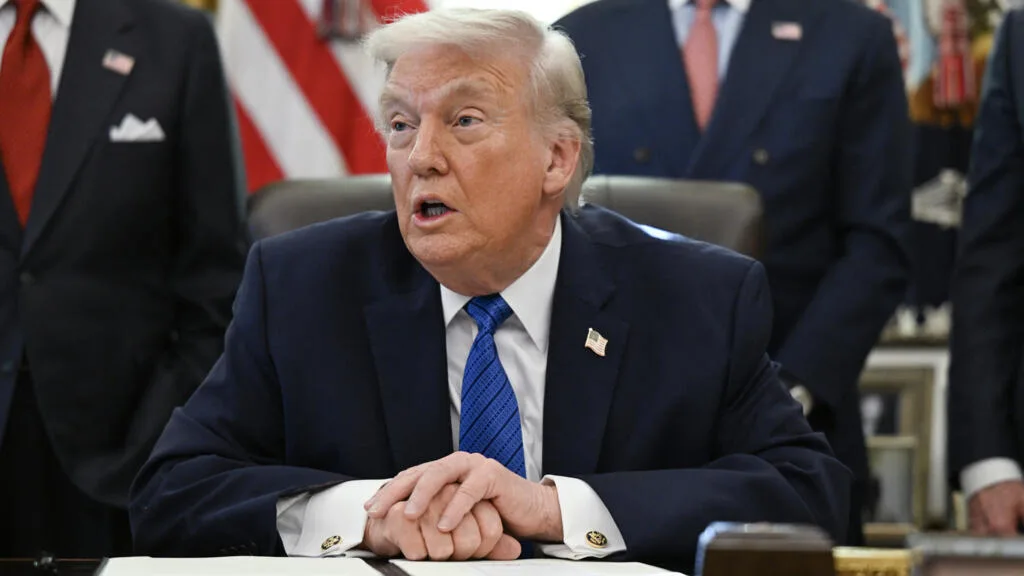
Egypt has once again called for the full and simultaneous implementation of US President Donald Trump’s plan and UN Security Council Resolution 2803. The roadmap, Cairo maintains, must translate into action on the ground: preserving the ceasefire, facilitating the uninterrupted flow of humanitarian aid, securing an Israeli withdrawal, addressing the issue of weapons, deploying an international stabilisation force, empowering the national committee to administer Gaza, and setting the wheels of reconstruction in motion.
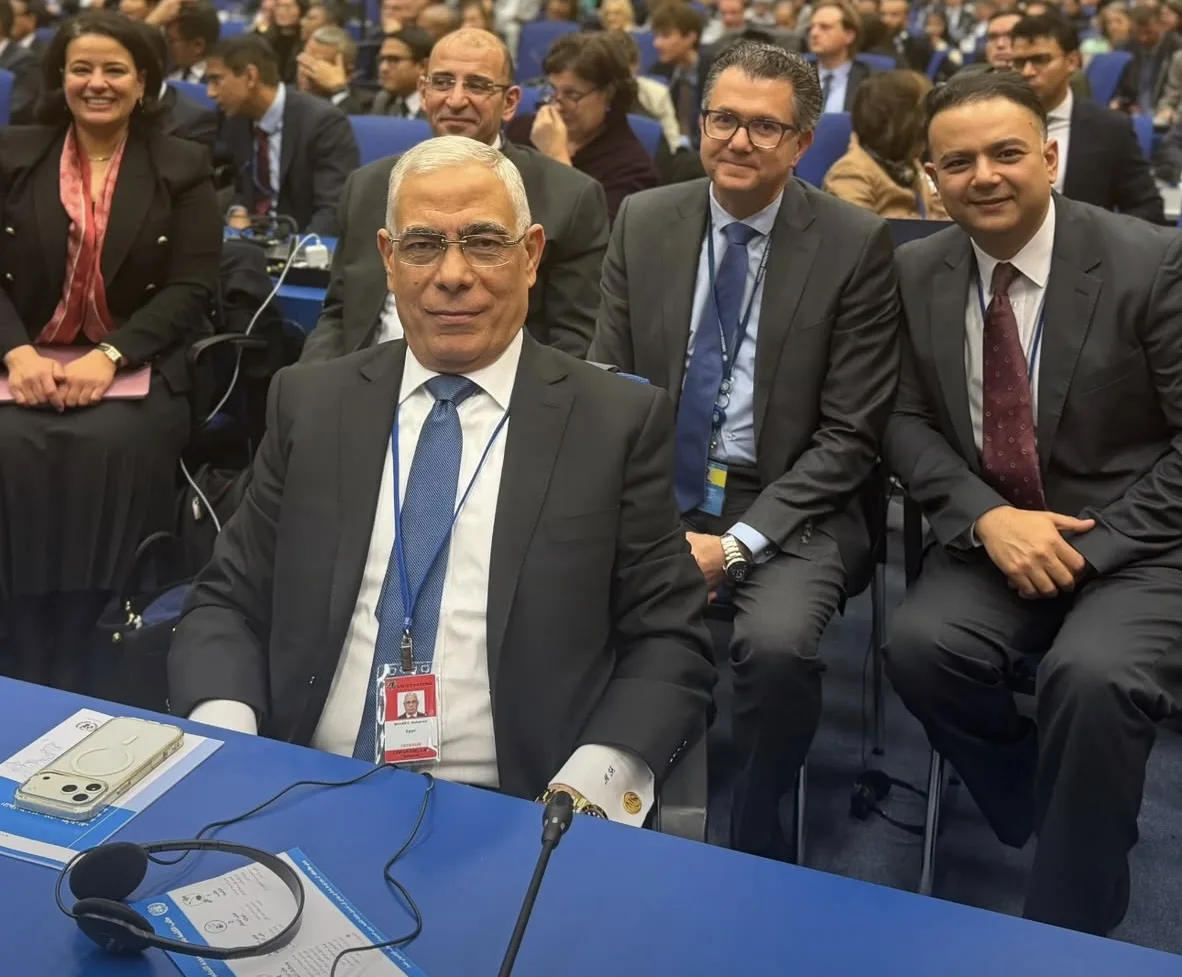
This was the substance of Egypt’s message at the high-level summit on Palestine and the two-state solution, co-chaired by the United Kingdom, France and Canada. Prime Minister Mostafa Madbouly delivered Egypt’s statement on behalf of President Abdel Fattah El-Sisi on the sidelines of the 81st session of the United Nations General Assembly.
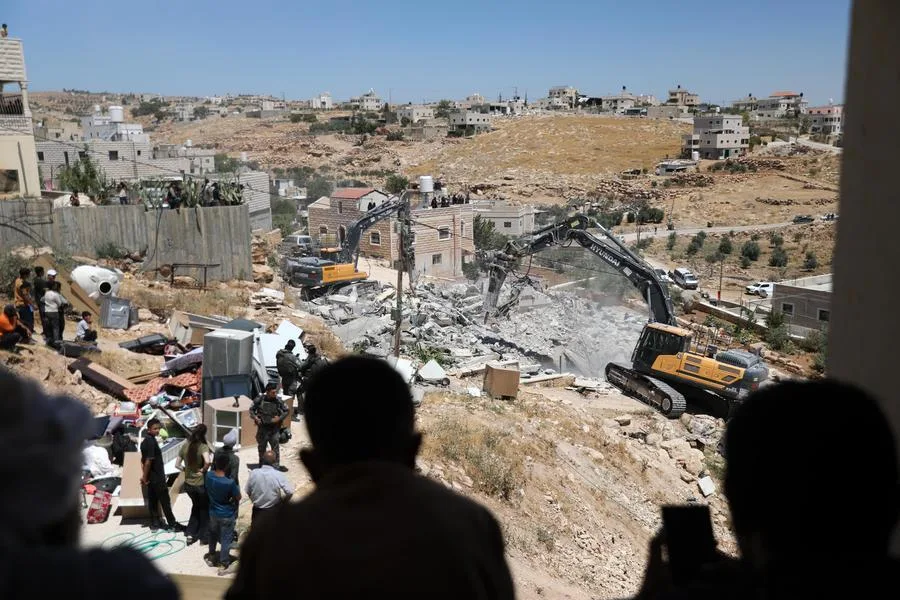
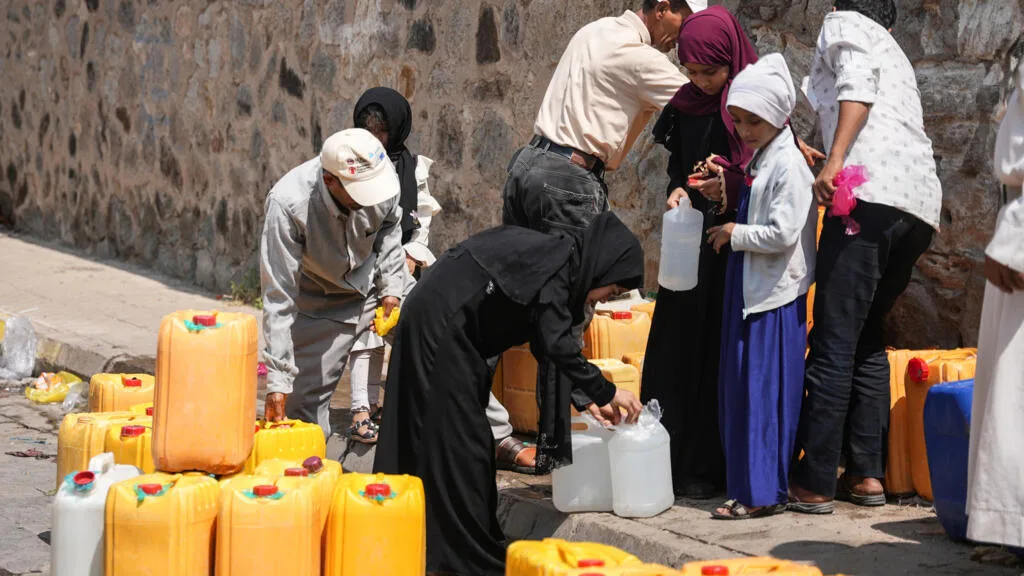
Egypt’s warning comes at a critical juncture. The foundations of the two-state solution are under unprecedented pressure, as settlement expansion and land seizures continue, settler violence in the West Bank intensifies, and efforts to alter the historic and legal status of East Jerusalem persist. At the same time, Israel continues to control large areas of the Gaza Strip, while restrictions on the entry of humanitarian assistance remain a major obstacle to addressing the territory’s devastating humanitarian needs.
Against this backdrop, Cairo insists that the Palestinian Authority (PA) must not be left on the sidelines. Supporting the PA and preserving its ability to carry out its responsibilities, Egypt says, is essential to restoring its role in Gaza and safeguarding the territorial and institutional unity of the Palestinian people.
The stakes could hardly be higher. Without a credible political horizon, temporary arrangements risk becoming little more than a stopgap. Ceasefires may put a lid on the violence, and reconstruction may help rebuild what has been destroyed, but neither can address the underlying political conflict on its own.
Egypt therefore says it will continue to work hand in hand with regional and international partners to protect the two-state solution and advance the cause of peace.

