




By Abdelmonem Fawzi
The world suffers not from the sheer malice of bad actors, but from the quiet complicity of good people.
When those with good intentions stay silent in the face of wrongdoing, they allow harm to grow. Silence looks like indifference, and indifference gives strength to bad actions.
Today, that paralysis is playing out on a global scale as the world drifts towards a fragmented, multipolar order defined by great-power competition, technological disruption, and shifting alliances.
Strategic forecasts and global risk assessments – from the Atlantic Council to the World Economic Forum – point to a clear trajectory: traditional Western hegemony is fading as power decentralises towards competing centres like China and various regional blocs.
But this is not just a simple transfer of power from one state to another, nor is it the swapping of one global superpower for a new one.
The deeper shift is the rise of multiple centres of knowledge production, where societies are finally claiming the capacity to define themselves and understand others through lenses they forged themselves.
As power, economics, culture, and knowledge fracture into a more complex mosaic, the ability of societies to genuinely understand one another will dictate whether they can co-operate, manage conflict, and protect their interests.
All this raises a million-dollar question: Can understanding itself become a source of power in the world to come?
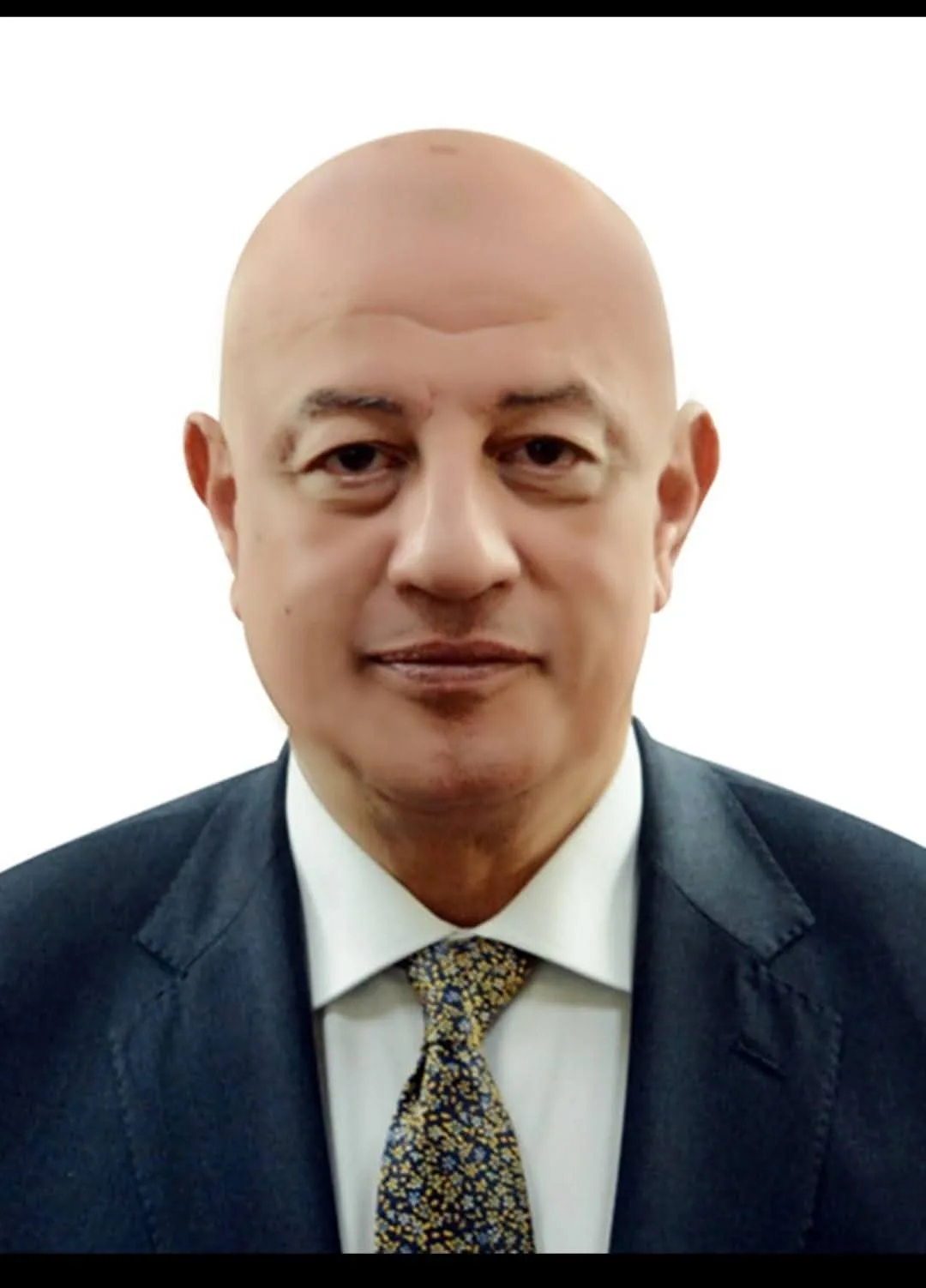
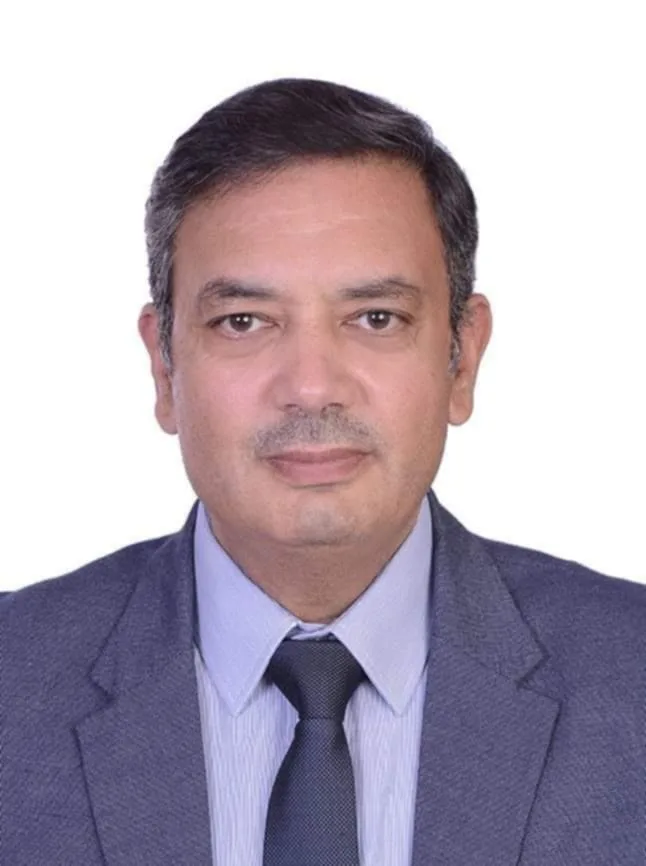
This is why we need to listen to voices offering a roadmap forward. One of those is Dr Ahmed El-Saeed, a scholar with a distinct mission and vision.
He envisions an interconnected world built on a holistic understanding of humanity, culture, and trade.
El-Saeed’s mission is to advance the academic and social study of cultural diversity through interdisciplinary research, education, and community engagement.
His vision is to build a global hub that uses history, trade, and travel to foster intercultural competence and global citizenship in an interconnected age.
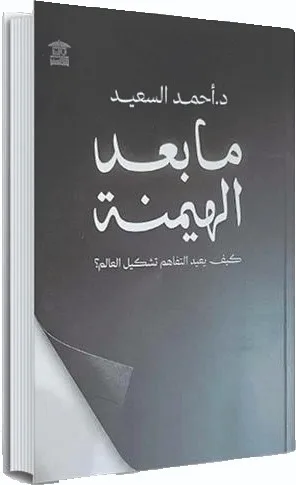
In his book, Beyond Hegemony: How Does Understanding Reshape the World?, El-Saeed tackles the slippery concept of “interfaith development”.
The phrase sounds appealing and carries weight, but it remains hollow until we can transform it into measurable, testable tools.
While we can easily track trade volumes, student exchanges, translated books, and investments, measuring “interfaith understanding” demands a sharper, more complex framework.
To truly measure it, we have to look at the sources each society uses to learn about the other, the prevailing images they hold, the fluency of their political and economic elites in each other’s languages and histories, the number of genuine specialists they produce, and the amount of indigenous knowledge they generate about one another.
At this juncture, understanding stops being a nice moral platitude and becomes a cognitive and institutional project.
Technology has gifted us astonishing communication speeds, but it has taken us much longer to build the tools for comprehension.
Our screens let us see others more clearly than ever before, leaving us with a much harder task: understanding what things actually mean to them.
The distinction is massive. How many geopolitical crises have erupted because one party knew the other’s position but completely misread their motives?
How many business alliances, built on paper-thin shared interests, have fractured under the weight of cultural blind spots?
How many societies possess mountains of data on a rival yet remain trapped in archaic stereotypes?
This is why the pursuit of “developing understanding” deserves a serious seat at the table.
Published by the House of Wisdom Publishing House, Beyond Hegemony argues that our hyper-connected, tech-driven world has not actually translated into mutual comprehension.
Having terabytes of data on other cultures does not equal grasping their values or worldviews.
At the core of the book is a fresh Arab thesis: “Understanding Development”. The author frames mutual understanding and translation not as soft diplomacy, but as essential infrastructure for national advancement and a brand-new source of national strength, drawing inspiration equally from the historical legacy of the Abbasid House of Wisdom and ancient Chinese philosophy.
In the opening chapters, El-Saeed takes on the crisis of dominant Western narratives, the broken promises of modernisation like the Washington Consensus, and the paradox of digital globalisation shaped by opaque algorithms.
Drawing on his 25 years of hands-on experience in cultural exchange, including translating over 1,000 books between Chinese and Arabic through Dar Bayt al-Hikma, he issues a compelling call to view the East and the Other through our own eyes, rather than through second-hand, prejudiced stereotypes.
Ultimately, the book’s core message is simple: for too long, we have obsessed over accumulating information about the world. It is time we learned how to actually understand what we know. That is the true promise of a post-hegemonic world.

