



Along Egypt’s north-western Mediterranean coast, where the desert once ran unbroken to the sea and World War II left fields of mines, a new city is taking shape with ambitions that stretch well beyond the summer months.
New Alamein, one of Egypt’s fourth-generation cities, is being built as a year-round hub for living, tourism, investment and culture.
The project forms part of a broader government effort to ease pressure on the crowded Nile Valley and Delta by drawing people and economic activity into the desert and turning empty stretches of land into functioning centres of growth.
President Abdel Fattah El Sisi inaugurated the city in March 2018. It covers roughly 49,000 feddansalong nearly 14 kilometres of coastline.
The first seven-kilometre phase is finished, and residential, commercial and tourism developments continue to push inland and along the shore.
Nearly 46,000 housing units and about 2,000 hotel rooms are already in place, with more neighbourhoods still under construction as the site shifts from a vast building site into a working city.
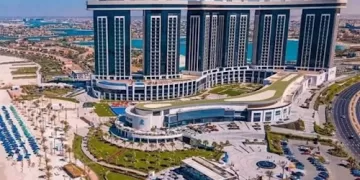
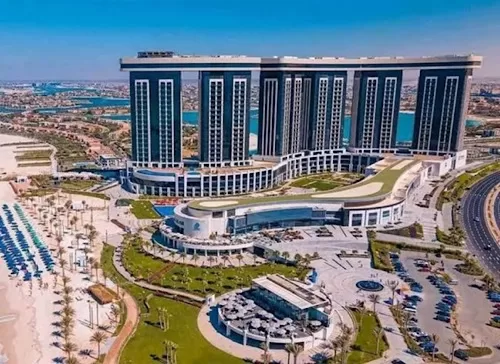
The skyline is already changing the look of the Mediterranean coast. The Beachfront Towers district stands out as one of the most visible landmarks, mixing apartments, hotels, shops and offices in a cluster of high-rises that face the sea.
The Latin District takes a more traditional Mediterranean approach, with thousands of homes already handed over.
The Mazarine, laid out around a series of lakes, offers villas, chalets and apartment buildings together with shops and entertainment spaces.
For a city raised largely from scratch, transport links and basic services matter a great deal.
The 930-metre C19 Bridge, 44 metres wide, now ties the southern districts to the coastal road and the high-speed electric train station.
Education is another deliberate pillar of the plan. Three universities operate throughout the year, drawing students, staff and their families and helping to build the permanent population the city needs once the peak summer season ends.
Parks, green spaces and artificial lakes with circulating water systems form part of the urban layout, along with a new waterfront promenade that includes walking and cycling paths.
The clearest marker of New Alamein’s emerging role, however, is its growing use as a venue for international conferences, exhibitions and large public events.
The New Alamein International Conference and Exhibition Centre was designed to host presidential and diplomatic groups, multinational firms and major summits.
Its halls, sound and lighting systems, climate controls and VIP areas are meant to place the city firmly in the global meetings, incentives, conferences and exhibitions market.
The city has already staged the first El Alamein International Air Show, bringing aerospace and defence companies, technology specialists and aviation professionals together for displays, talks and exhibitions.
A second edition is planned for September 2026. New Alamein was also named the Arab Summer Capital for 2025, underscoring its bid to become a regional draw for entertainment, culture and tourism.
The New Alamein Festival has played a part in that push. Its first edition in 2023 ran for 45 days under the slogan “The World Is Alamein” and drew an estimated one million visitors from Egypt and the wider Arab region.
Concerts, sporting events and exhibitions filled venues built for large crowds.
Plans for a cultural district that would include an opera house and a major library point to a longer-term ambition to make the city a centre for the arts, education and intellectual life as well.
Unlike Egypt’s older coastal resorts, New Alamein is not meant to empty out when the summer ends.
The city’s housing districts, universities, offices, hotels, public services, commercial areas and entertainment venues are intended to support a more varied economy that can keep running all year.

