




Egypt’s new digital visa system is already giving early travellers a quieter kind of relief, namely the chance to step off a plane and skip the familiar scramble for a paper sticker. At the system’s centre sits a simple QR code.
The trial began at Cairo International Airport on 1 August. It is open to nationals of 118 countries who are eligible for visas on arrival.
Instead of queuing at bank counters inside the terminal, passengers can now obtain an electronic code online before they leave home, during their flight, or at self-service kiosks once they land.
One traveller shared the experience shortly after the pilot started. “A friend eligible for visa on arrival paid the fees and received a QR code,” he wrote on social media platform, Reddit.
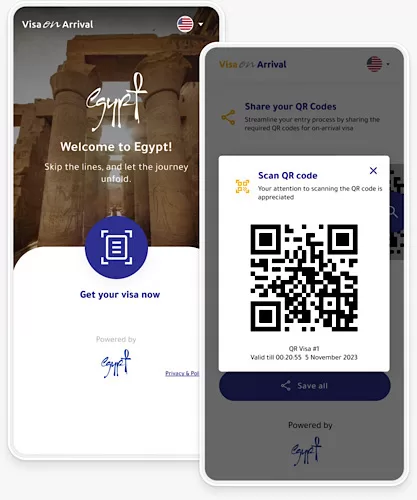
“The code was checked with the passport, entry procedures were completed, and the passport was stamped. Nothing more,” he added. Reactions on travel platforms have been largely warm, especially from visitors who like the idea of finishing formalities before they even reach Cairo.
Many have pointed to the ease of paying online and receiving the code up to 48 hours before departure, mid-journey, or after arrival.
International coverage has taken notice. The British travel magazine, Wanderlust, suggested the system could make entering Egypt faster and less stressful, particularly for passengers arriving in Cairo.
Leading travel trade publication, TravelPulse, highlighted the option of securing the QR code in advance.
India’s English language business daily, Economic Times, framed the change as part of Egypt’s wider effort to modernise arrival procedures, an important step for a promising tourism market.
However, practical questions have followed the early enthusiasm. Some travellers wonder whether a reported 48-hour validity window leaves enough room for delayed flights or sudden changes of plan.
Others have focused on the $36 cost, including $30 for the visa itself and a $6 digital fee.
For a system designed to save time, the real test will be whether that extra charge is repaid by a consistently smoother experience.
Tourism expert Dalia Helal sees the early reports as a meaningful shift from talk to practice.
Still, she cautions that first impressions are not enough.

“An effective assessment will have to rely on data measuring visa issuance times, waiting periods at the airport, the ease of using the online platform and kiosks, and satisfaction among travellers, airlines and tourism companies,” she told The Egyptian Gazette.
For airlines and tour operators, the potential gains reach beyond shorter queues.
A clearer, more reliable entry process could make it easier to put together short-notice packages and encourage travellers who might otherwise hesitate over paperwork.
Faster processing, stable platforms, fewer errors, and smooth links to booking systems will ultimately decide how useful the system becomes.
Helal places the trial inside a broader smart-tourism vision.
A digital visa, she argues, should not stand alone. It needs to form part of a connected journey that could one day include smart airport gates, electronic visitor services, digital payments, and reliable information apps, she said.
For travellers, the quiet appeal is continuity. Someone who can arrange entry online, move through the airport without friction, pay digitally, and find clear guidance throughout a trip is more likely to feel that Egypt is ready for modern travel, like-minded specialists said.
Smart tourism is not only about booking websites. It is about linking every stage of the journey, from the first online search to the final departure gate, they added.

