









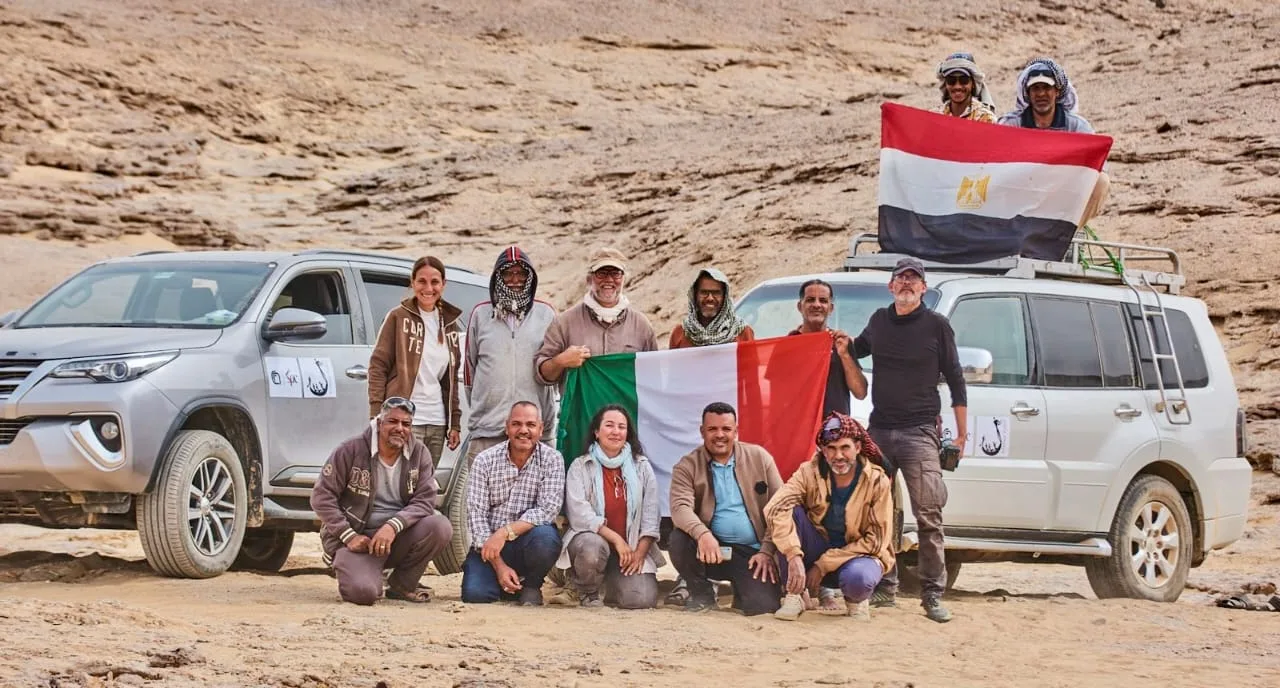
An Egyptian-Italian archaeological team has discovered the remains of a prehistoric settlement in Egypt’s Western Desert that may date back some 8,500 years.
The site, at the eastern edge of the Farafra depression, is among the largest prehistoric settlements documented so far in the Western Desert.
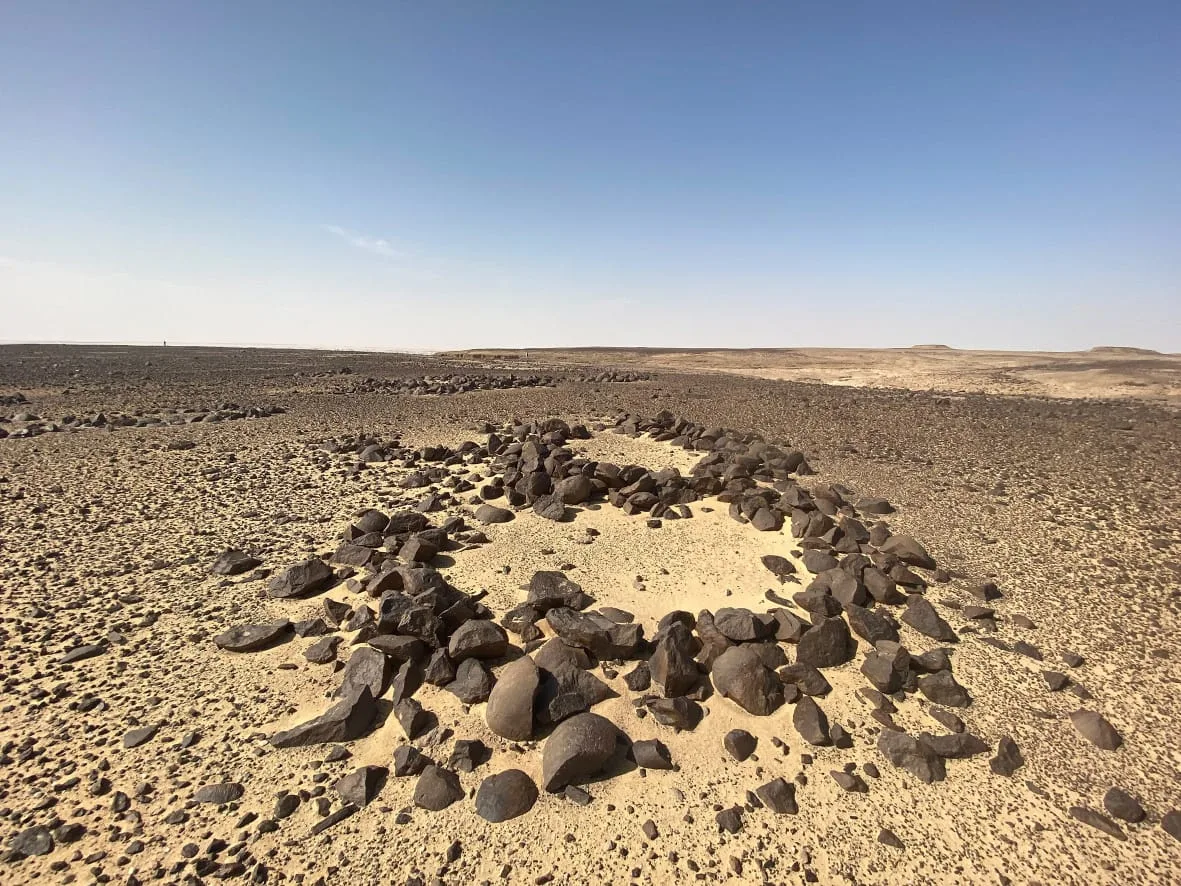
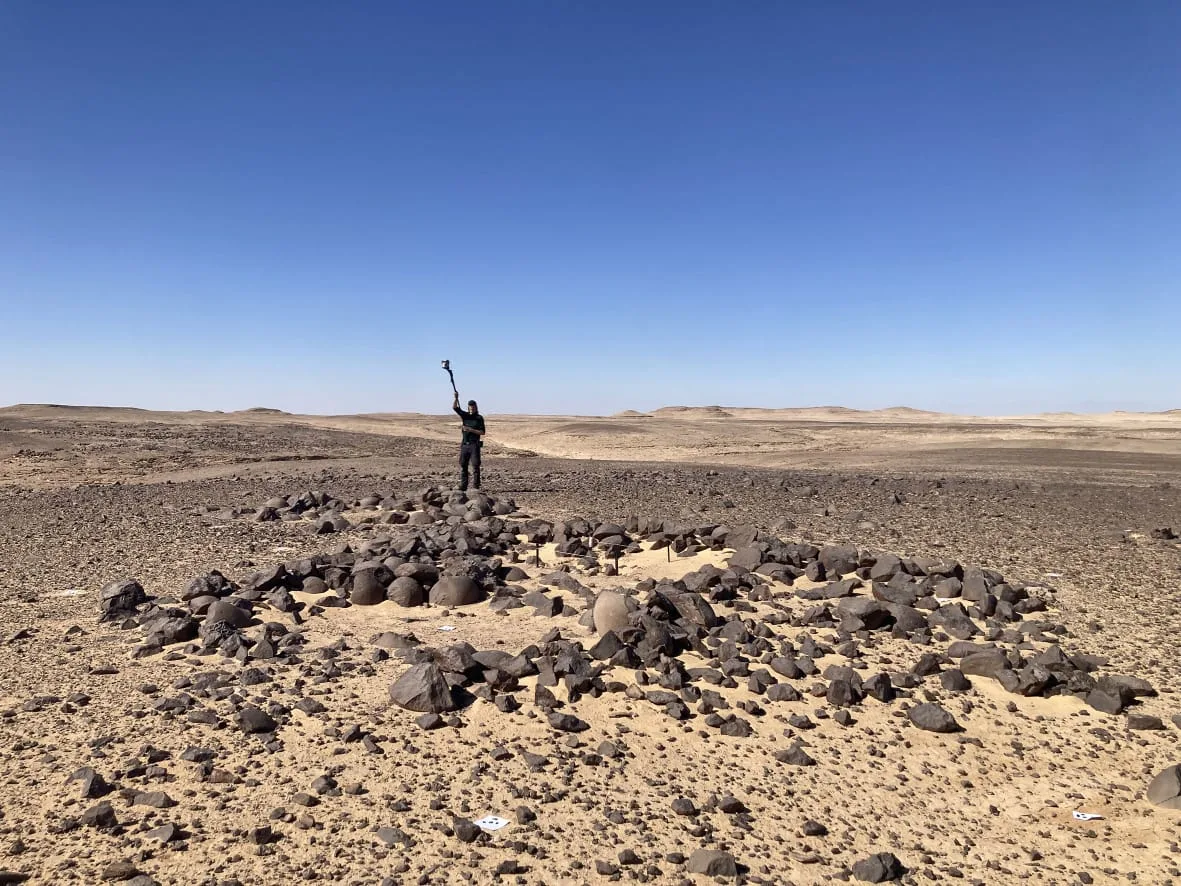
It contains around 200 archaeological features, including stone structures, hearths and large concentrations of stone tools. Preliminary findings suggest it was an extensive, organised settlement rather than a temporary camp.
The discovery offers new evidence of how prehistoric communities adapted to environmental change and used available resources, the Tourism and Antiquities Ministry said.
Excavations and the distribution of artefacts around the stone structures suggest they were used for everyday domestic activities. The settlement’s size and layout also point to repeated or sustained occupation.
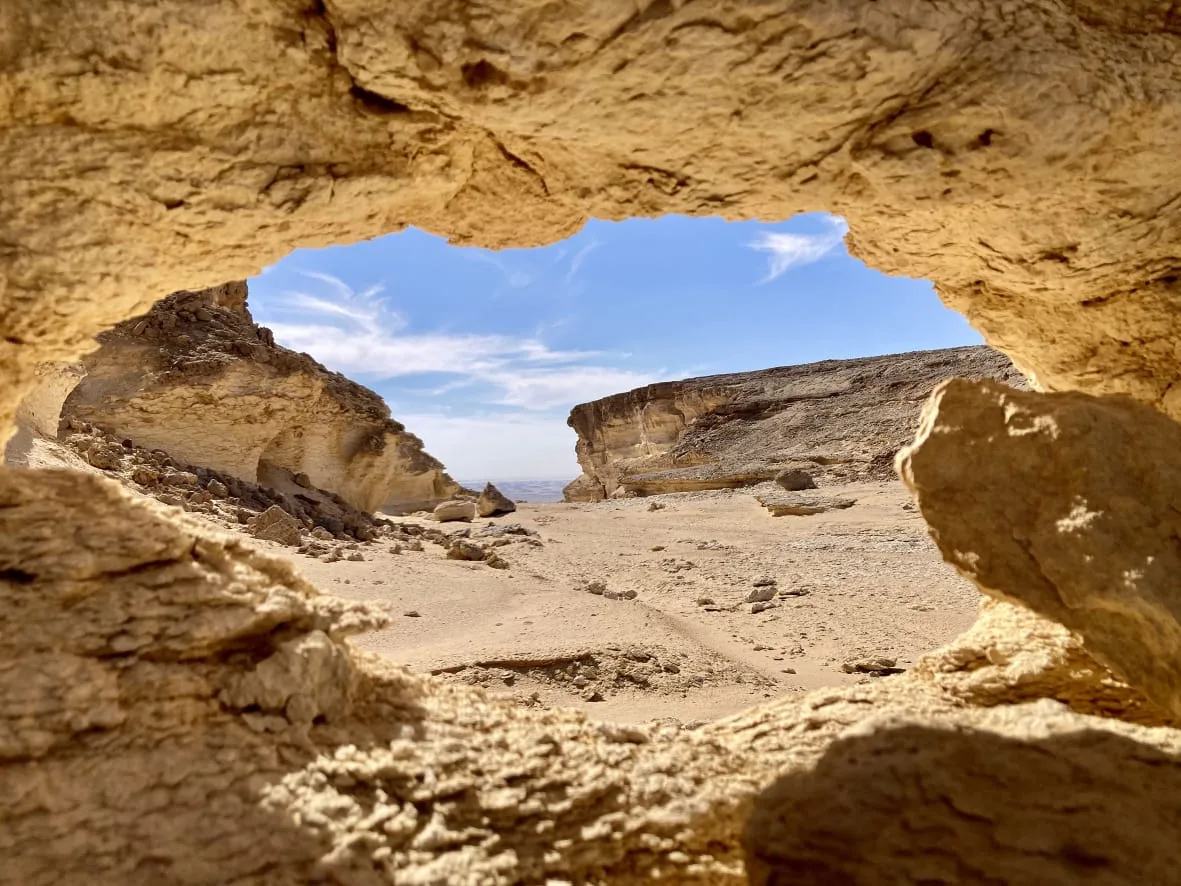
Geological studies found traces of a wetter environment than today, including shallow depressions and ancient lake deposits. Local stone was available for building and making tools.
The team began fieldwork on the plateau in 2023. Its 2025 season included surveys, excavations, documentation and geological studies, the statement added.
Mission director Giulio Lucarini said comparisons with finds elsewhere in Farafra and at sites in the Dakhla and Kharga oases had helped researchers arrive at the preliminary date.
The work builds on earlier research at the foot of the plateau, where the team identified sites associated with ancient lakes. Together, the findings could help researchers understand how people settled and moved through Farafra as the Sahara became increasingly dry.