




The Sharm El-Sheikh Museum on Saturday opened a temporary exhibition showcasing the evolution of artistic expression and the preservation of Coptic heritage in Egypt over nearly 14 centuries.
Titled “Stone and Ink,” the three-month exhibition is being held in the museum’s Byzantine Hall and features a selection of archaeological and artistic objects, the South Sinai governorate said in a statement.
The exhibition traces a path from symbols and scenes carved in stone, through icons and their colours and meanings, to manuscripts that preserved church texts and readings and passed them down through generations.
Among the highlights is a carved stone depiction of “Joseph the Righteous on his Way to Egypt”, which presents the biblical story as a visual narrative. Another exhibit portrays a hunting scene combining depictions of animal movement with symbolic and artistic elements.
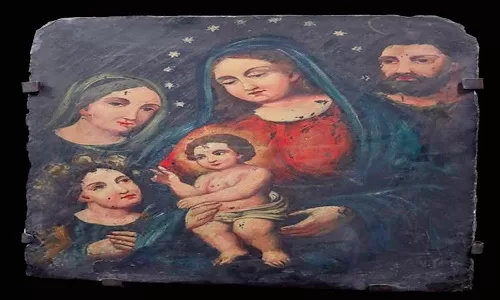
The exhibition also includes an icon depicting “The Visitation of Elizabeth to the Virgin Mary”, using colour and contrast to highlight the figures and give the scene spiritual and expressive depth.
The manuscript section features an annual ‘Katameros’, a liturgical book containing church readings and texts. Its combination of writing, ornamentation and varied colours reflects aspects of the history of religious rituals, doctrine and the preservation of religious memory.
The exhibits are presented within a broader historical and cultural context, highlighting the development of methods of expression and documentation — from carved images, to colour in icons and finally the written word in manuscripts.
The exhibition forms part of the museum’s cultural, educational and interpretive role, and its efforts to present Egypt’s heritage by linking artefacts to their historical and cultural contexts and highlighting the stories and meanings they carry.

