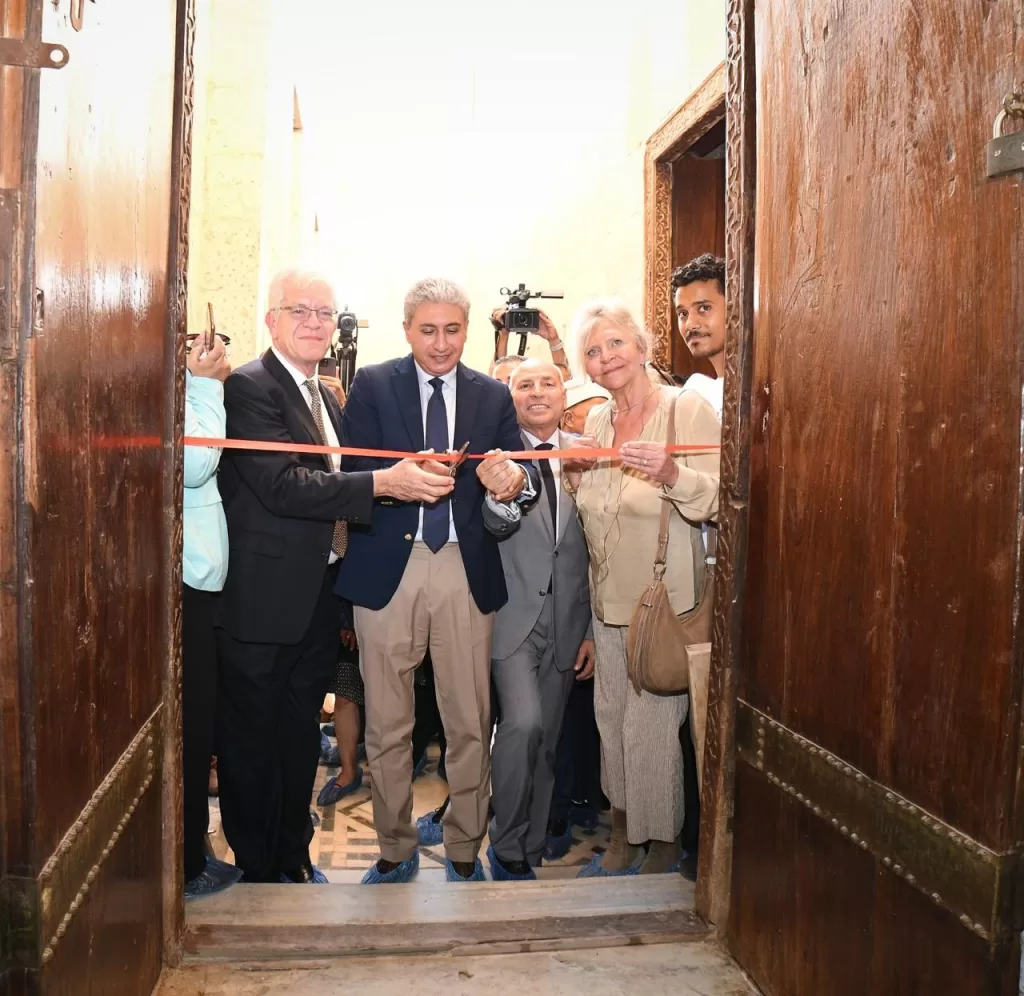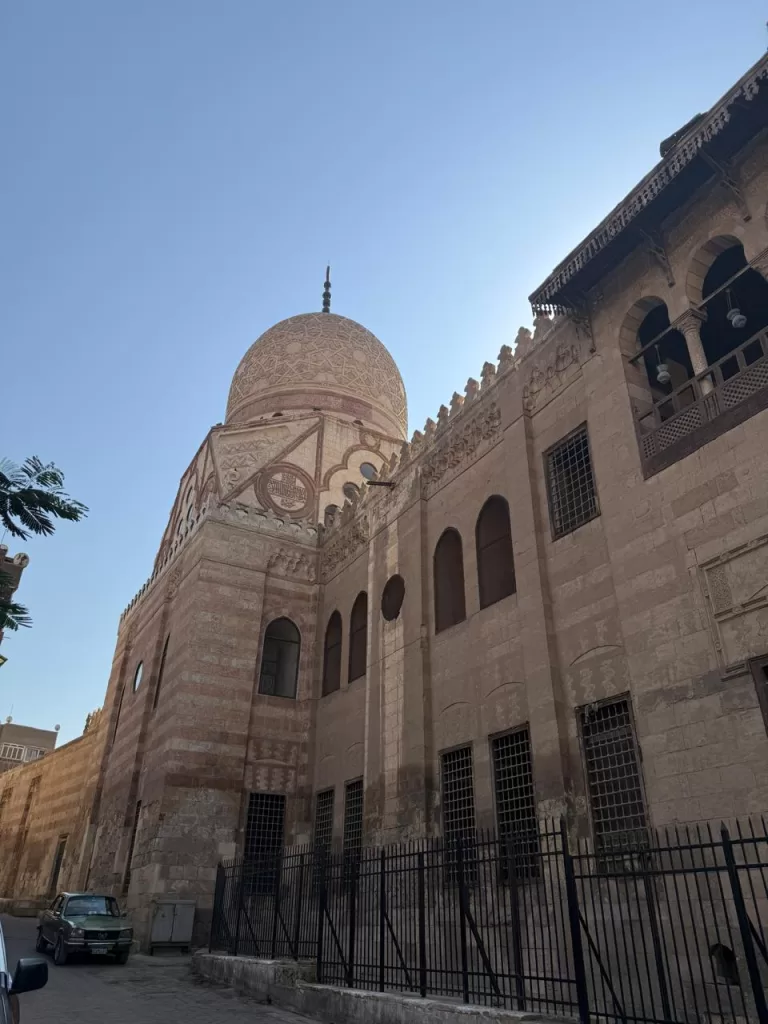





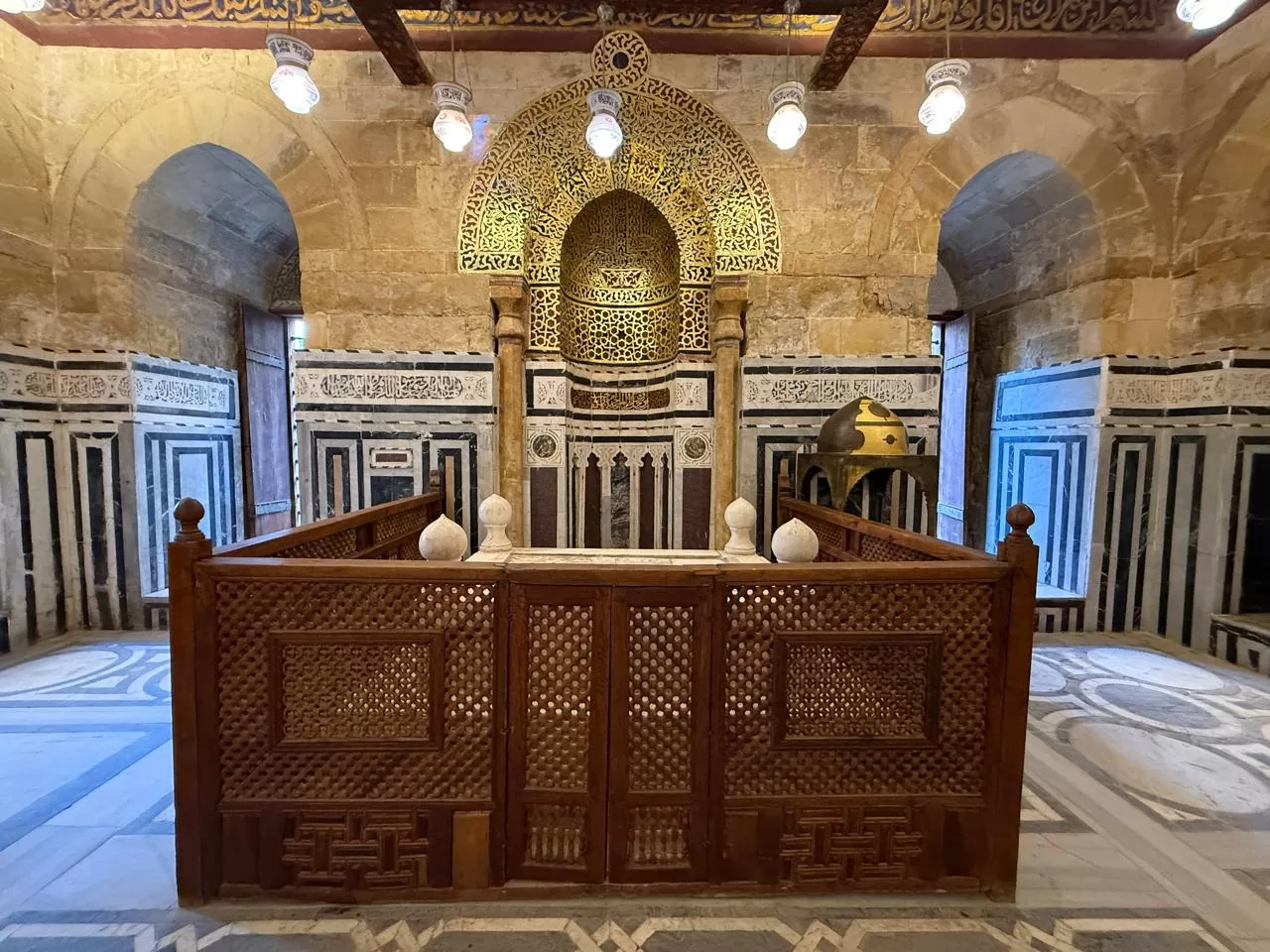
Egypt on Monday inaugurated the restored mausoleum of Mamluk Sultan al-Ashraf Qaitbay in Cairo’s Mamluk Necropolis, following a five-year conservation project.
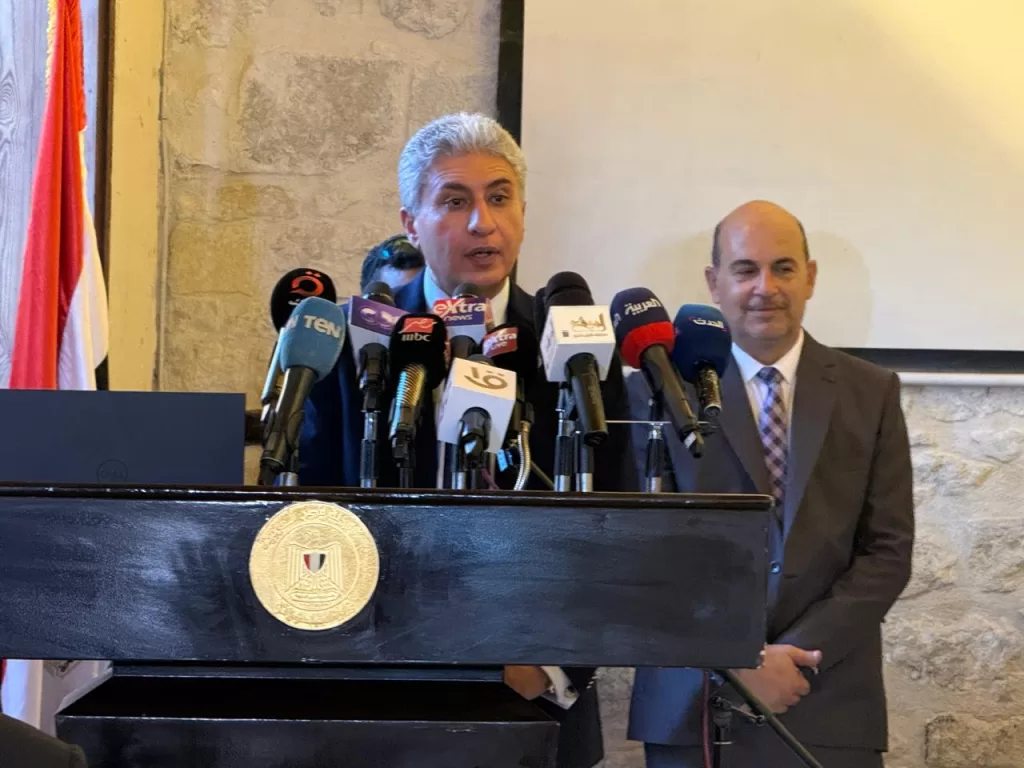
The opening was attended by Tourism and Antiquities Minister Sherif Fathy, Cairo Governor Ibrahim Saber and US Chargé d’Affaires Robert Silverman, along with officials from Egypt’s Supreme Council of Antiquities (SCA) and the project’s implementing architectural firm, Archinos.
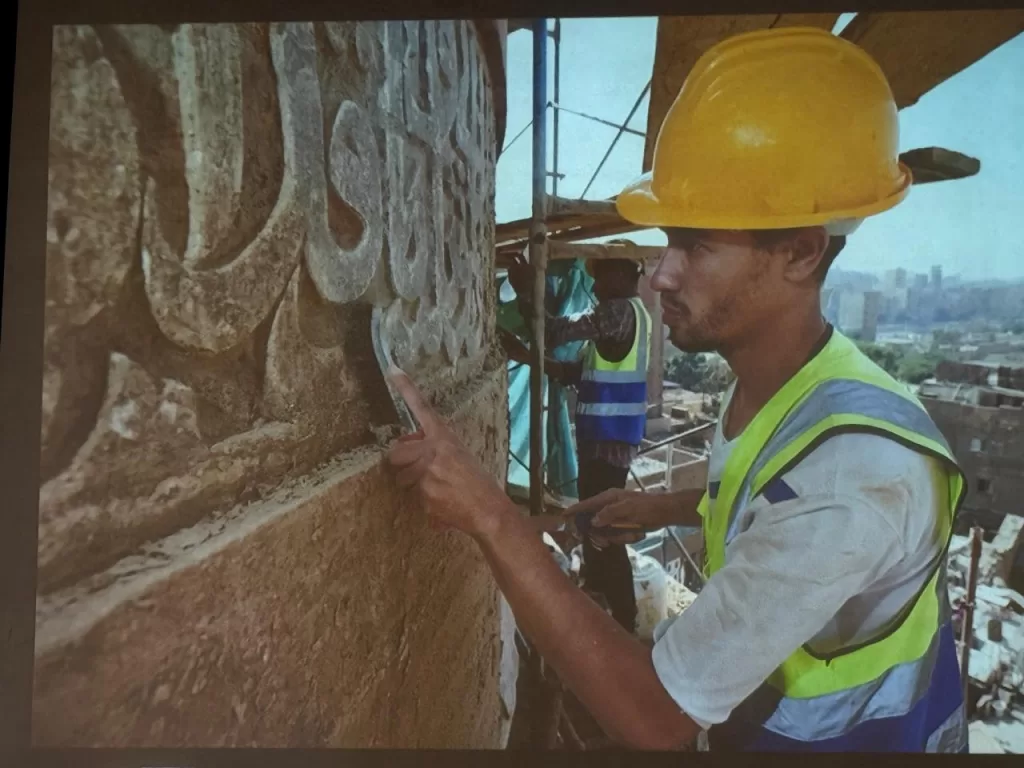
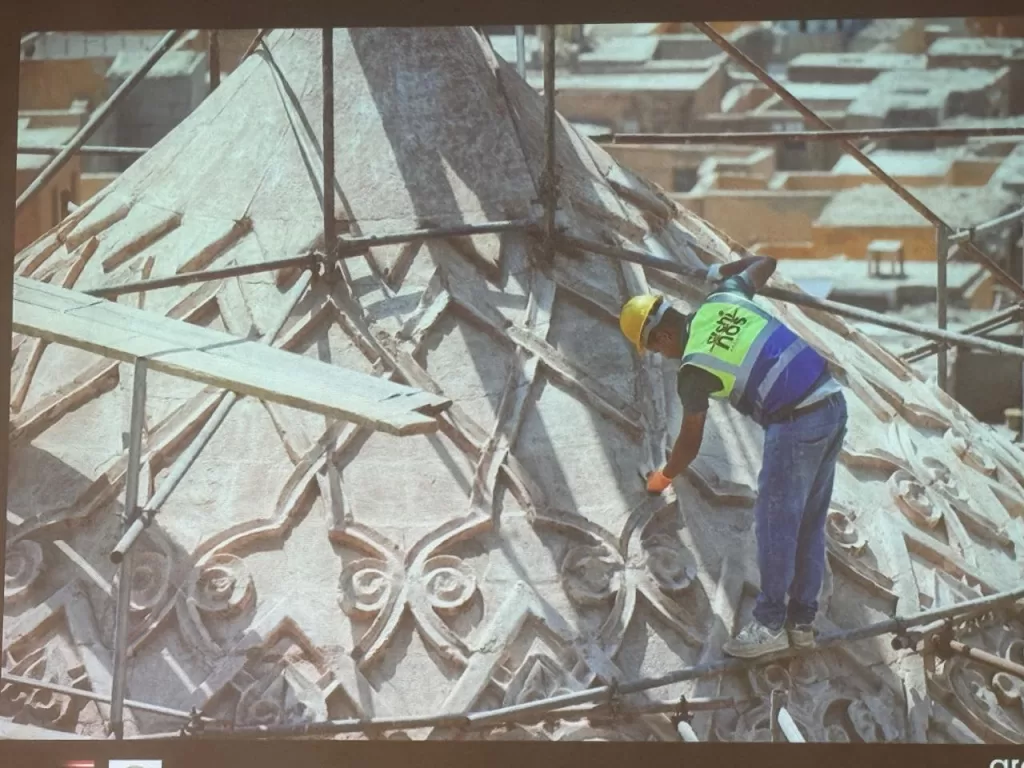
The restoration was carried out in two phases under the supervision of the SCA. It included architectural documentation and archaeological studies, as well as the conservation of the mausoleum’s copper dome and Quranic reciter’s platform.
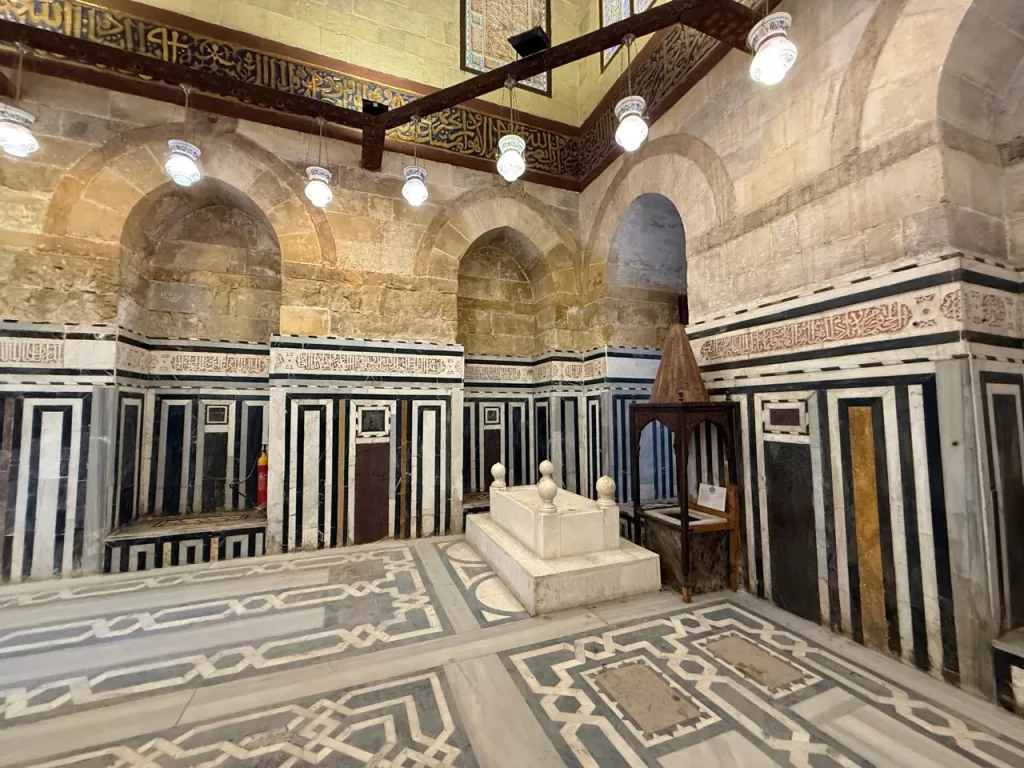
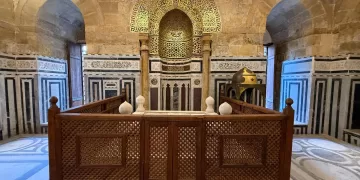
Workers also cleaned the stonework, treated moisture and salt damage, reinforced walls, injected cracks and restored Quranic inscriptions and decorative elements. Plaster screens, stained glass, wooden and marble features, and the gilded decoration of the prayer niche were also repaired using materials compatible with the historic structure.
Minister Fathy said the project marked “a new milestone” in decades of co-operation between Egypt and the United States in cultural heritage preservation.
The partnership extends beyond restoration projects to archaeological missions, capacity-building programmes and support for communities surrounding heritage sites, he said.
The mausoleum forms part of Qaitbay’s wider architectural complex, which includes a mosque, a fountain, a Quranic school and burial facilities. Built in the late 15th century, it is regarded as one of the finest examples of Mamluk architecture, known for its intricate stone carvings, colourful marble floors, gilded prayer niche and distinctive stone dome.
The site contains the tombs of Sultan Qaitbay and his son, Sultan Muhammad Qaitbay. It also houses a black basalt stone traditionally believed to bear the footprints of the Prophet Muhammad, giving the monument religious significance in addition to its artistic and historical value.
Officials said the restoration would help attract more visitors to the area and strengthen Cairo’s position as a major cultural and tourism destination.