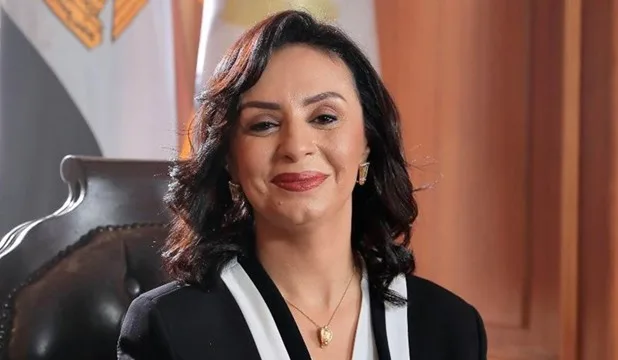



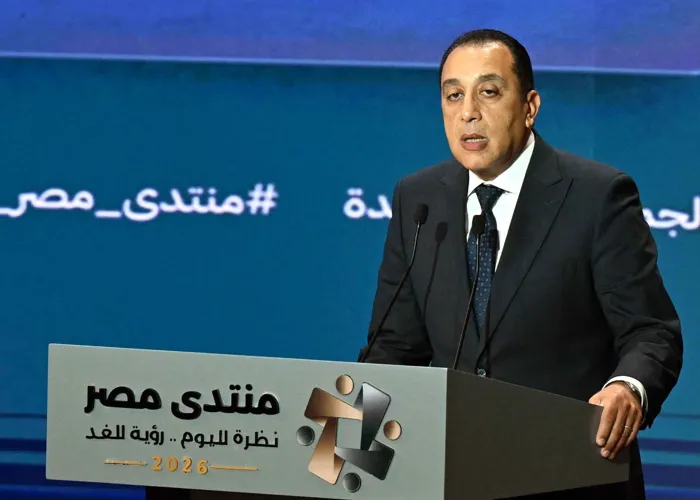



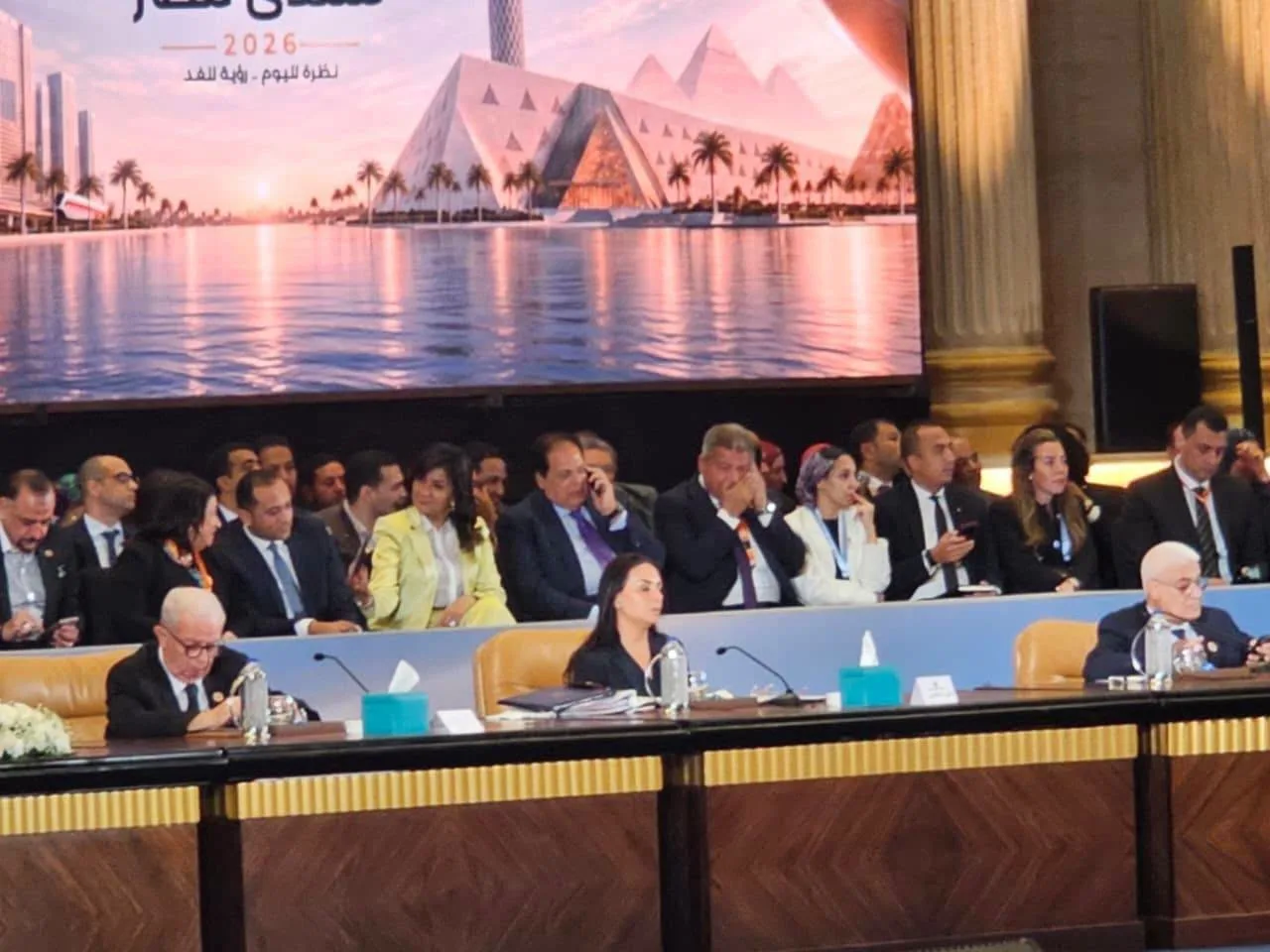
Minister of Social Solidarity Maya Morsy highlighted on Wednesday the development of Egypt’s social protection system and efforts to link cash assistance with economic empowerment, education and employment at a session titled “Market Regulation and a More Effective Social Protection System” at Egypt Forum 2026.
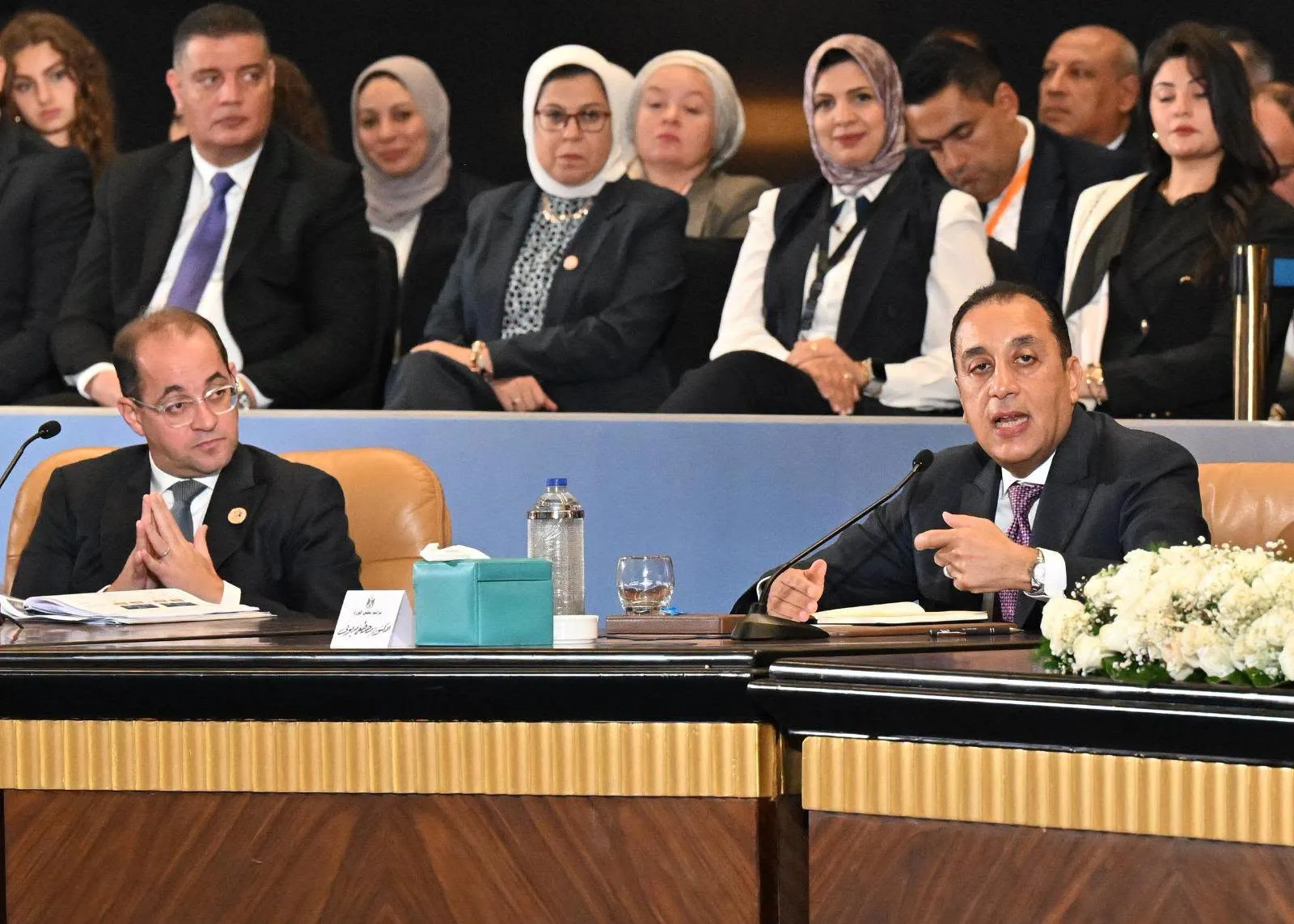
The session was attended by Prime Minister Mostafa Madbouly, Minister of Finance Ahmed Kouchouk, Minister of Supply and Internal Trade Sherif Farouk, and a number of experts and specialists.
Morsy said the development of the social protection system had been reinforced by Social Security Law No. 12 of 2025, which strengthens the legal framework for the Takaful and Karama (Solidarity and Dignity) programme and links cash assistance with economic empowerment and investment in people.
She stressed that social protection is not just a financial assistance provided during crises, but a safety net that enables the state to navigate economic reform while protecting vulnerable families. She added that President Abdel Fattah El-Sisi places the most vulnerable families at the heart of national priorities.
Takaful and Karama reaches 4.7 million families
Morsy said Takaful and Karama operates through a dynamic system that allows families to join or leave the programme as their circumstances change. Since its launch in 2015, the programme has relied on monthly assessments to track changes in families’ living conditions.
This process combines technology and information systems, including the integration of databases, with field assessments conducted by committees, she explained.
The programme initially covered 1.7 million families in 2015 and currently serves 4.7 million families. Its cumulative coverage has reached 8.3 million families over its lifetime, while more than 2.2 million families have left the programme after improvements in their social and economic conditions. There are currently no families on the waiting lists, she said.
Expanding access to education
Morsy said the Ministry of Social Solidarity was working to ensure equal educational opportunities so that children and young people from vulnerable families would not be excluded from schools or universities.
The ministry operates 44 social solidarity units at universities to support students in need. It has also provided assistance with university fees for 149,000 students and annual scholarships to 10,800 blind students at public universities.
In addition, sign-language interpreters have been provided at public universities for 4,186 deaf and hard-of-hearing students, while assistive devices have been supplied to 49,201 people with disabilities, Morsy said.
Strengthening food security
Morsy said the ministry had launched the Ahl El-Kheir platform in January 2025 to improve the management and governance of food assistance, organise interventions and monitor their quality.
The platform has more than 1,574 civil society partners, she said, adding that it has delivered a total of 313,585,547 food assistance interventions since its launch.
Improving health and school attendance
The minister highlighted the direct impact of Takaful and Karama after 11 years of implementation.
She said compliance with health requirements and follow-up care for mothers and children had improved, with 92% coverage reported for services including vaccinations and monitoring children’s growth.
Educational compliance had also improved, with school attendance reaching at least 94% during the 2025/2026 academic year, she added.
From assistance to production and employment
Morsy said the ministry was working to move from financial assistance towards production and employment by developing pathways for economic empowerment and helping families escape poverty.
She pointed to Social Security Law No. 12 of 2025, which links cash assistance with economic empowerment, as part of these efforts.
The ministry has also launched Tamkeen (Empowerment), a digital registration platform for projects, and expanded market access for productive families and women working in traditional crafts.
The Diarna handicrafts and heritage exhibitions have held 164 events, benefiting more than half a million productive families. Egyptian exhibitors have also taken part in events abroad in Italy, India, France, Saudi Arabia, Qatar, Morocco and Bahrain. The ministry is working to establish a permanent venue for the Diarna exhibition, she said.

