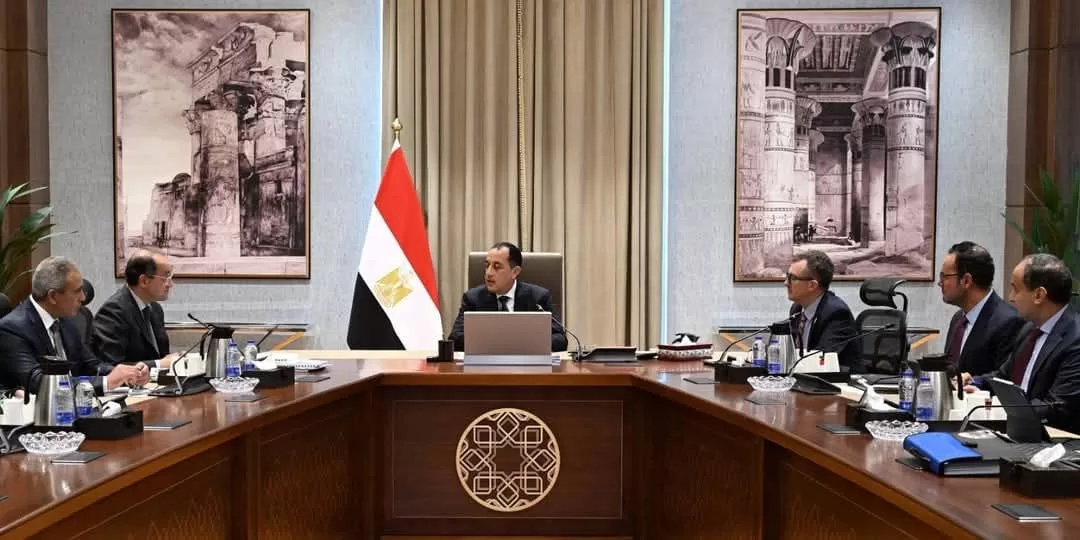




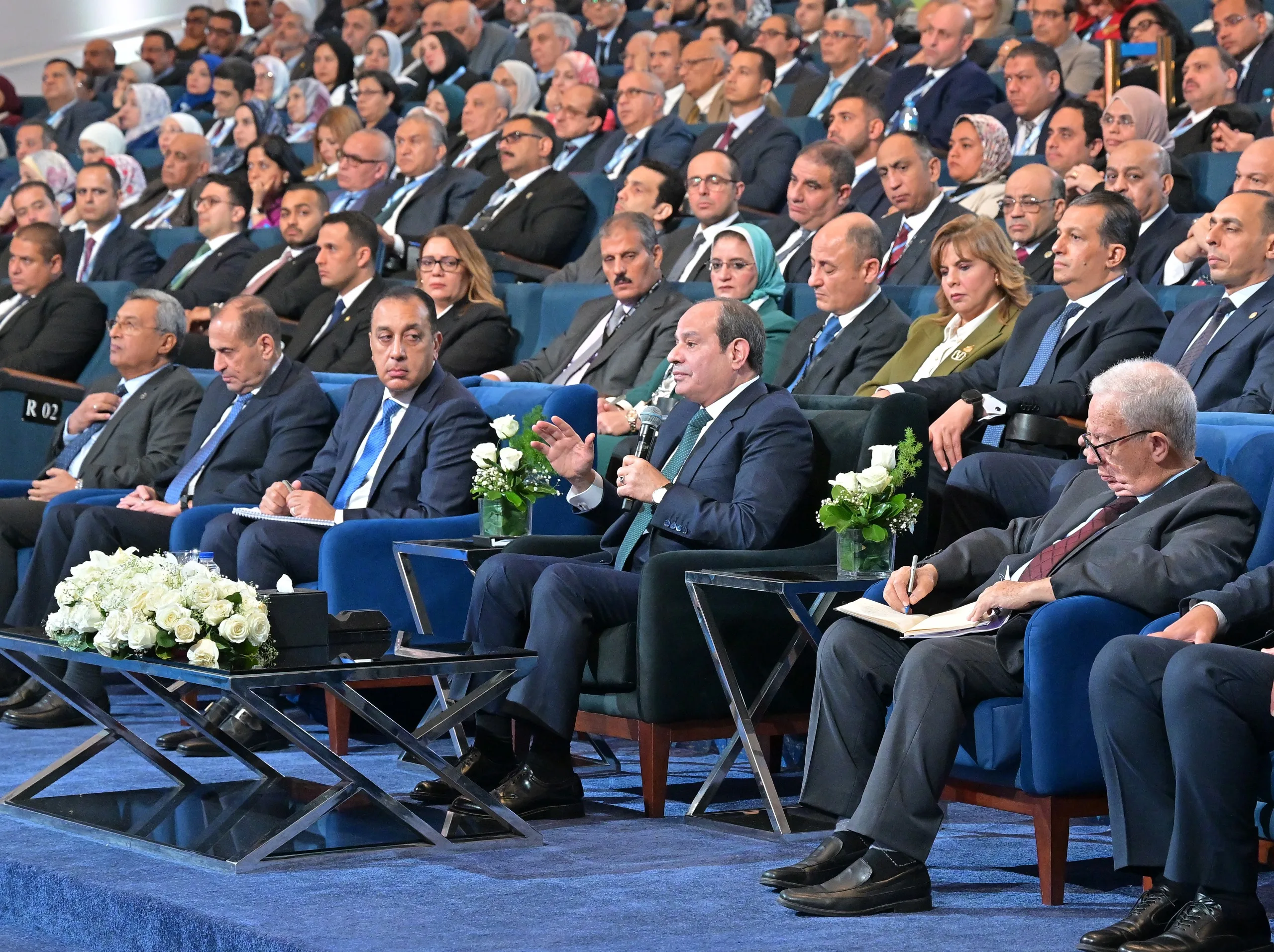



Egypt’s Prime Minister Mostafa Madbouly reviewed on Thursday the key themes and discussion points of two sessions scheduled for the Egypt Forum 2026, entitled “Egypt’s Energy Journey” and “A More Effective Social Protection System”.
Minister of Electricity and Renewable Energy Mahmoud Esmat, Minister of Finance Ahmed Kouchouk, Minister of Social Solidarity Maya Morsy, Minister of Supply and Internal Trade Sherif Farouk, and Minister of Petroleum and Mineral Resources Karim Badawi attended the meeting.
The forum, held under the theme “A Look at Today… A Vision for Tomorrow”, is scheduled to take place from October 19 to 24 at the St Regis Hotel in the New Capital, following the directives of President Abdel Fattah El-Sisi.
It aims to showcase achievements across various sectors in recent years, provide a platform for dialogue on the country’s development, explain the foundations underpinning state policies and decisions, particularly those directly affecting citizens, and present the government’s vision and priorities for the coming period.
During the meeting, Madbouly said the two sessions would review the evolution of government policies and measures while outlining priorities for future action.
Regarding energy, he stressed the importance of examining developments in the sector and measures undertaken to secure Egypt’s energy requirements and ensure sustainable supplies across different sectors.
He also highlighted plans to improve energy efficiency, expand renewable energy, develop state resources and attract further investment.
The meeting also reviewed the components of Egypt’s social protection system and mechanisms for strengthening it.
Madbouly reaffirmed the government’s commitment to supporting the most vulnerable groups and ensuring that assistance reaches eligible beneficiaries efficiently and effectively.
Madbouly also stressed that the forum should also address measures to support and protect the middle class from the effects of inflation and economic fluctuations, given its importance to social stability and economic growth. He linked this approach to the broader priorities of human development and reducing citizens’ living costs.
Discussions further covered market regulation, oversight and governance of trade in basic and strategic commodities, with the aim of maintaining price stability and ensuring adequate supplies.

