



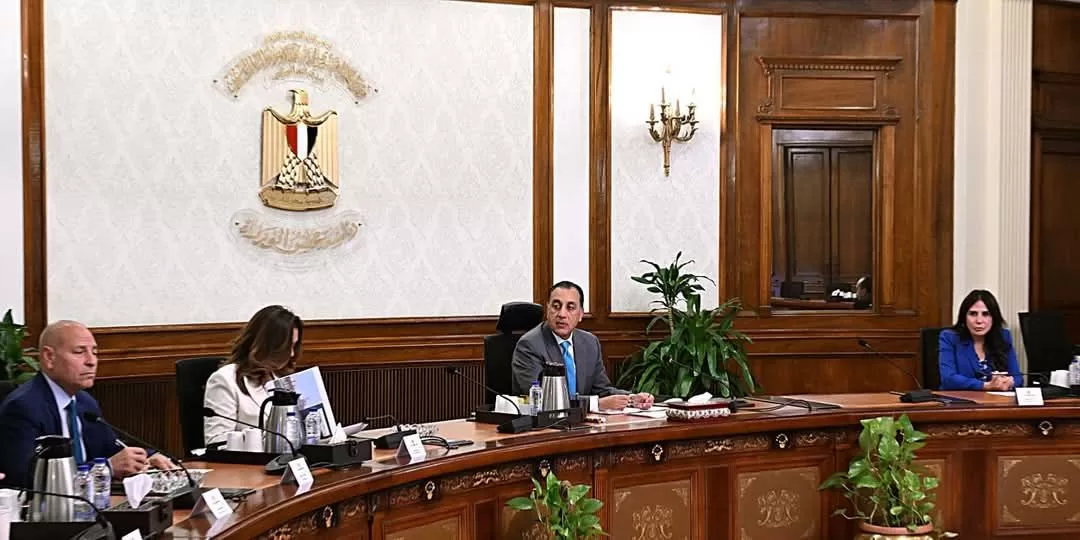
Egypt’s Prime Minister Mostafa Madbouly chaired a meeting on Sunday to review progress on the “Greening Greater Cairo” project, which seeks to expand cultivated areas and transform cleared, vacant and underutilised land into green spaces and public parks, in implementation of the directives of President Abdel Fattah El-Sisi.
Minister of Local Development and Environment Manal Awad, Minister of Housing, Utilities and Urban Communities Randa El-Menshawy, Governor of Cairo Ibrahim Saber, and representatives of consulting firms were present at the meeting.
At the outset of the meeting, PM Madbouly stressed the need for a standardised afforestation model developed by specialised consultants, featuring plant and tree species suited to local climatic and environmental conditions and requiring limited water.
He also highlighted the wider use of treated wastewater for irrigation, noting that Cairo Governorate has begun implementing elements of this approach.
He called for the expansion of greening along major roads, axes and squares in new cities, together with dedicated maintenance programmes and an inventory of vacant land suitable for conversion into green areas.
Minister El-Menshawy, for her part, said preparations were underway for major public parks in several new cities, including a large park and artificial lake on the cleared former landfill site in New Obour City, and a park in Hadayek October City.
Plans are also being developed for a major Nile-side park on Warraq Island, featuring green spaces, shaded seating, pedestrian and cycling paths, restaurants and cafés, a boat marina and parking facilities.
The minister also reviewed operational preparations for Telal Al-Fustat Park, including planned entertainment programmes, events and celebrations.In this respect, Madbouly directed that a date be set for its official opening.
Cairo governor has, meanwhile, highlighted the governorate afforestation plan, aimed at improving the urban environment, increasing green space per capita, reducing pollution, enhancing ecological balance and improving the capital’s visual and cultural character.
The plan prioritises climate-appropriate vegetation, water efficiency, lower maintenance costs and the productive reuse of vacant spaces.
Consultants presented designs and case studies for greening Cairo’s squares, streets, highways and open spaces, focusing on environmental comfort, visual quality, identity and sustainable landscaping.
Concluding the meeting, Madbouly stressed adherence to implementation schedules, close coordination among relevant authorities, regular monitoring and the removal of obstacles to ensure that cleared spaces are effectively transformed into sustainable green areas serving the public.

