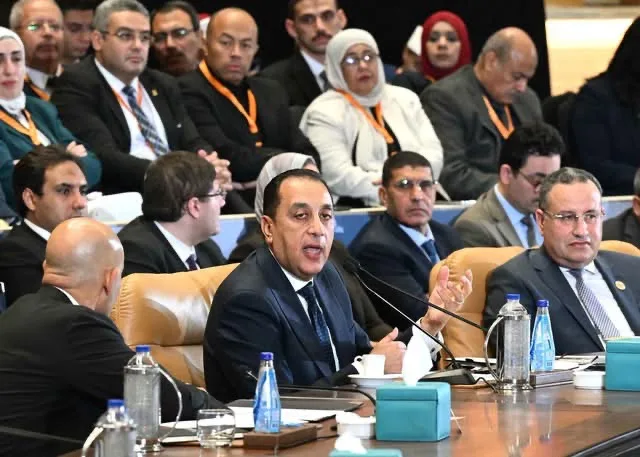
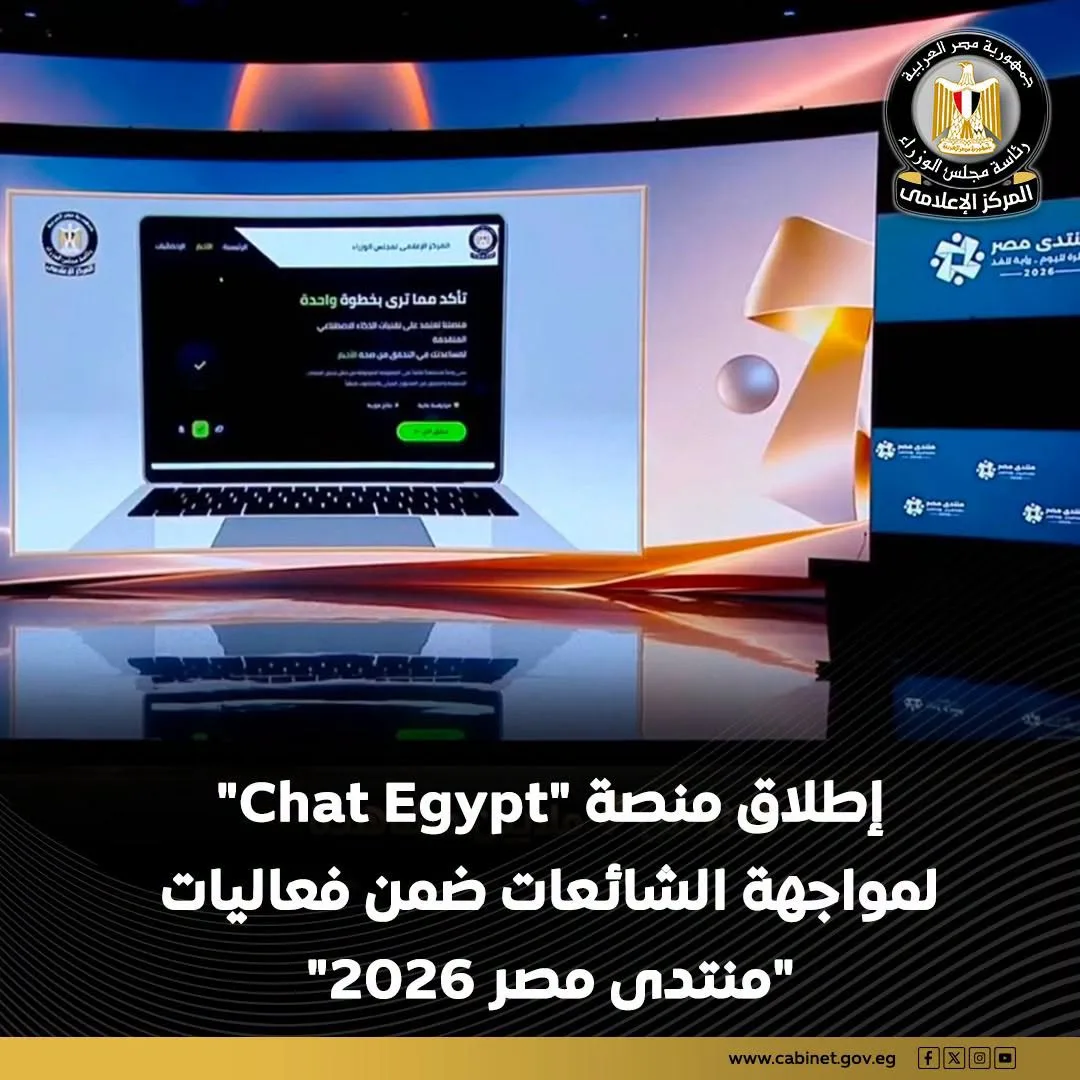



Prime Minister Mostafa Madbouly delivered a speech during a session entitled “What Are Our Children Learning, and Does It Prepare Them for the Future?” on the first day of Egypt Forum 2026, held under the slogan “A Look at Today, a Vision for Tomorrow” under the auspices of President Abdel Fattah El-Sisi. The session was attended by Education and Technical Education Minister Mohamed Abdel Latif, Higher Education and Scientific Research Minister and Acting Culture Minister Abdelaziz Konsowa, parliamentarians, university presidents, education experts, academics, private-sector representatives, students and parents.
Madbouly stressed that education was a top state priority, noting that Egypt had around 50 universities in 2014, compared with approximately 131 today, serving a population of about 110 million. Responding to questions about why the government focused on construction projects rather than health and education, he said infrastructure development was necessary but had to go hand in hand with improving educational quality. He highlighted longstanding challenges, including overcrowded classrooms, teacher shortages and the need to train teachers to deliver updated curricula, stressing that resolving problems accumulated over decades required sustained efforts.
The prime minister said the next phase would focus on improving education quality and preparing graduates for the demands of a rapidly changing world. He explained that the new Baccalaureate system aimed to give public-school students opportunities comparable to those available in private and international schools, where students can retake examinations to improve their grades. He also highlighted the psychological pressure associated with the traditional General Secondary Certificate examinations, including tragic cases of students taking their own lives after disappointing results. Madbouly added that curricula must be reviewed regularly, ideally every three or four years, to keep pace with scientific advances and labour-market needs.
The premier also addressed concerns over the teaching of Arabic and religious education in international schools and the inclusion of these subjects in students’ overall grades. He said the issue extended beyond educational regulations to protecting Egypt’s national identity and national security, stressing the importance of strengthening younger generations’ connection to their language and culture while maintaining a balance with international education systems. He also discussed concerns about admitting international students to Egyptian universities, particularly medical faculties, explaining that attracting foreign students helps improve universities’ international standing and rankings. He emphasised the need to balance global competitiveness with Egyptian students’ opportunities to access university places.
Concluding his remarks, Madbouly described education as a key pillar of Egypt’s soft power, saying that attracting international students strengthens relations with other countries and builds lasting cultural and personal ties with Egyptian society. He noted that graduates of Egyptian universities may go on to hold senior positions in their home countries, including as heads of state or government and ministers, helping reinforce relations with Egypt. He stressed that strengthening Egyptian universities’ ability to attract international students would enhance their global standing and support Egypt’s international presence.

