





Prime Minister Mostafa Madbouly affirmed that Africa is experiencing one of the fastest rates of urbanisation in the world. He noted that with the urban population of African cities expected to double by 2050, the issue is not merely about addressing the challenge of providing housing, services and infrastructure, but rather represents a historic opportunity to reshape economies and societies and make cities engines of growth, productivity, manufacturing and job creation.
Madbouly made the remarks in an address during a plenary session on cities and urban development, held on the sidelines of the inaugural Alamein – Africa Forum in New Alamein, under the auspices of President Abdel Fattah El-Sisi.
Madbouly expressed pleasure at participating in a dialogue on the future of cities and urban development in Africa at a time when African cities are facing an unprecedented demographic and economic transformation, making urbanisation one of the key issues that will shape the continent’s future over the coming decades.
He explained that the question that should be asked is not only how to accommodate urban growth, but also how to transform this growth into a driving force for comprehensive development and structural transformation in African economies.
The prime minister stressed that urban planning in Africa must move away from addressing these sectors separately toward integrated planning that places people, the economy and the environment at the heart of the development process.
In this context, Madbouly affirmed that the pace of urbanisation in Africa requires proactive action to avoid unplanned urban growth, which leads to widening gaps in services, higher infrastructure costs and increased pressure on the environment and natural resources.
He noted that sustainability should not be viewed as a constraint on development, but rather as a condition for ensuring its long-term viability. A city unable to cope with heatwaves, floods, water scarcity or pressure on energy resources cannot provide a conducive environment for investment, production and a decent life.
Climate resilience, he said, must therefore become an integral part of urban planning from the outset, rather than a corrective measure adopted after crises occur.
Madbouly also addressed digital transformation, explaining that technology is no longer a supplementary element in city management, but has become a tool for improving resource efficiency, managing traffic, energy and water, enhancing government services, and providing data that enables decision-makers to plan and respond more quickly and accurately.
The prime minister said Egypt approaches these challenges from the standpoint of extensive practical experience in urban planning and the geographic redistribution of development.
He pointed out that over the past years, Egypt has adopted a policy of expanding the establishment of new urban communities with the aim of accommodating population growth, easing pressure on existing cities and achieving greater balance in the distribution of population and economic activities.
He added that this policy forms part of a broader vision that also focuses on improving connectivity between cities, developing an integrated system of cities, and enhancing governance, land management and local economic development.
Egypt adopted a new national urban development policy at the end of 2023 based on these pillars, he said.
Regarding the concept of fourth-generation cities, Madbouly noted that it has become an important part of Egypt’s experience, explaining that the objective is not limited to establishing new residential communities, but extends to building integrated cities capable of hosting economic, service, industrial and tourism activities and connecting them to modern transport, energy, utilities and telecommunications networks.
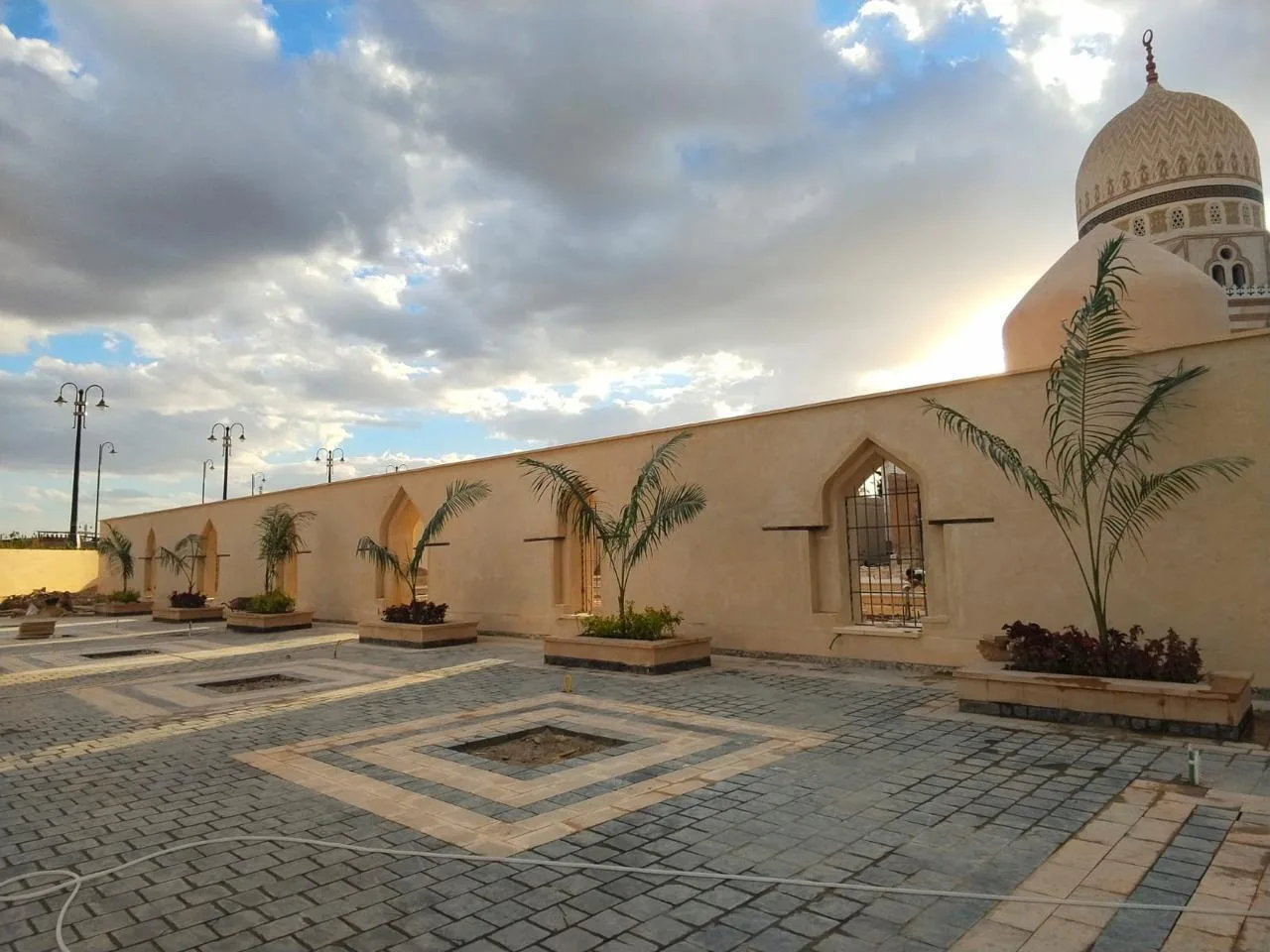
He cited New Alamein City as a model of an integrated, year-round city combining residential, tourism, educational and economic uses, as well as New Mansoura City, which was developed in line with sustainability, energy efficiency, digital transformation and climate resilience principles.
These projects, alongside dozens of new cities and urban communities, represent the outcome of decades of accumulated Egyptian experience in planning, implementation, provision of utilities and services, and management of urban development, he said.
The prime minister stressed that this Egyptian expertise is not limited to projects implemented within Egypt, but has begun to extend to the African continent through major infrastructure and service projects carried out by Egyptian companies, demonstrating their ability to operate in different environments and transfer technical and administrative expertise to African partners.
Madbouly cited a number of prominent examples, including the Julius Nyerere Hydroelectric Dam and Power Station project in Tanzania.
He also cited road and bridge projects implemented by Egyptian companies in Uganda, and road projects in Ghana.
“These experiences undoubtedly confirm that Egypt is not putting forward a theoretical model, but possesses practical implementation expertise that can be utilised, in co-operation with African countries, to design and implement infrastructure projects and new cities in accordance with the needs and specific circumstances of each country,” Madbouly said.
He stressed that Egypt is ready to expand the scope of such co-operation, not only through project implementation, but also through transferring knowledge and expertise in urban planning, city design, utilities management, infrastructure, urban governance and national capacity-building.
This would enable African countries to benefit from the Egyptian experience while developing their own solutions suited to their circumstances and priorities, he said.
Madbouly also affirmed Egypt’s readiness to transfer its expertise in establishing new cities and infrastructure to a number of African countries, reflecting a broader approach toward sharing Egyptian experience with fellow African nations.
He called for regulatory frameworks that reduce risks and enhance the ability to attract investment, as well as greater attention to developing affordable housing finance mechanisms to prevent urban growth from exacerbating social disparities or increasing informal housing.
The prime minister also said that African co-operation in urban development should occupy a greater place on the continental co-operation agenda.
He noted that Egypt hosted in Cairo in 2022 the fourth session of the African Union Specialised Technical Committee on Public Service, Local Government, Urban Development and Decentralisation, which saw the adoption of a decision to establish the Africa Urban Forum as a continental platform for high-level dialogue on the future of African cities and the challenges and opportunities associated with urbanisation and urban development.
The forum has evolved into a platform bringing together policymakers, experts, partners and city representatives with the aim of promoting the implementation of Agenda 2063, the Sustainable Development Goals and the UN New Urban Agenda, as well as exchanging applicable experiences and practices among African cities, he said.
Madbouly affirmed that the platform represents an important opportunity to move from exchanging expertise to building partnerships and joint projects, particularly in urban planning, affordable housing, smart cities, water management, urban transport, clean energy and urban financing.
In his address, the prime minister said Africa does not need a single model for cities and should not seek to replicate a particular experience across all countries, as each country and city has its own geographic, economic and social circumstances.
Concluding, Madbouly stressed the importance of placing people at the heart of the development process, making African cities engines of growth, using urban planning as a tool for integration, harnessing innovation and technology to improve the lives of African peoples, and making joint cooperation a foundation for African cities capable of meeting the challenges of the future.

