




’12 years of development must be assessed against past challenges’
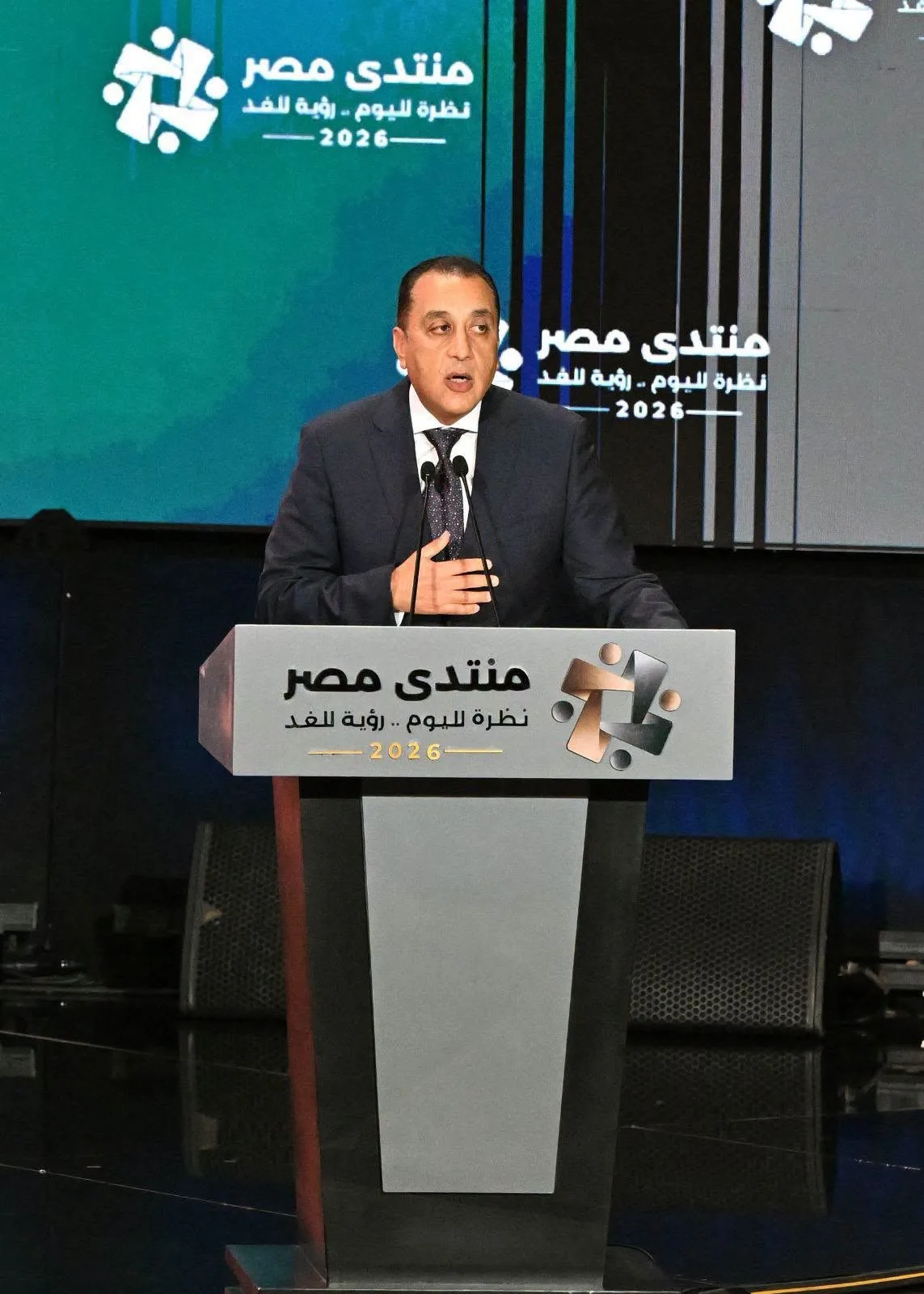
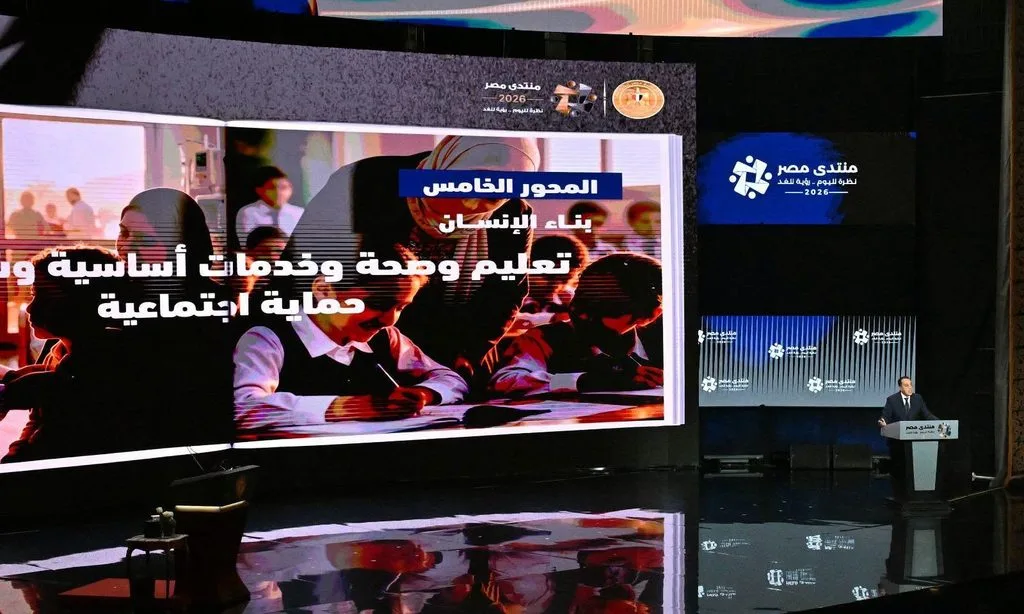
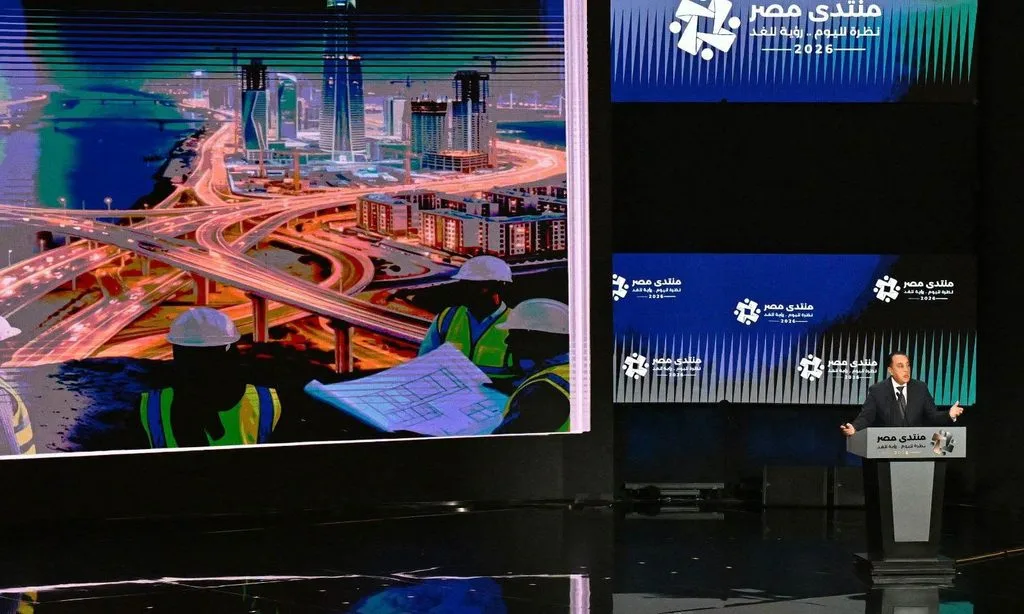
Prime Minister Mostafa Madbouly outlined government plans to improve living standards, expand employment opportunities and improve public services during Egypt Forum 2026, held from October 19 to 24 under the patronage of President Abdel Fattah El-Sisi.
The six-day forum, themed “A Look at Today, a Vision for Tomorrow,” was attended by government officials, experts and citizens to discuss economic challenges, development projects and their impact on everyday life.
Throughout the event, Madbouly addressed public concerns about education, housing, social protection, energy prices and economic reform. He referred to the government’s spending priorities and plans to increase household incomes.
Madbouly said education remained a government priority, with efforts focused on reducing classroom overcrowding, addressing teacher shortages and improving teaching standards.
He discussed reforms to secondary education, including the introduction of the baccalaureate system, providing students with additional opportunities to improve their examination results.
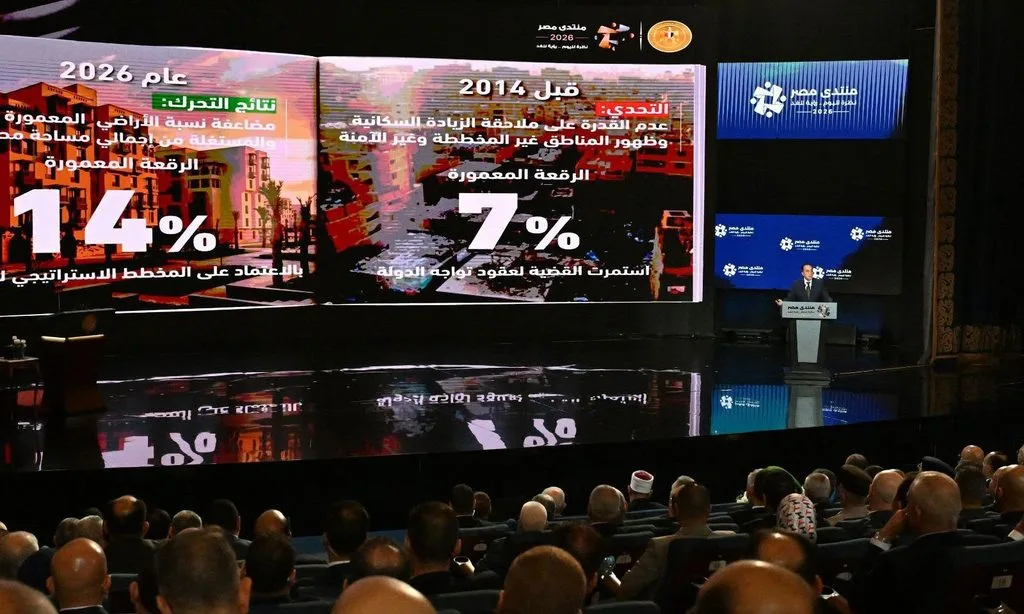
On urban development, the prime minister said Egypt’s national plan through 2052 included 39 new cities, with 27 already completed or under development.
He estimated that between 14 million and 15 million people currently live in new cities, explaining that the projects aim to reduce pressure on overcrowded urban areas and create job opportunities.
Madbouly said the government had built more than two million housing units since 2014 and developed unsafe residential areas previously occupied by more than 350,000 families.
He added that the first phase of the Decent Life rural development initiative covered 1,477 villages, with investments exceeding LE450 billion.
The government is also preparing housing programmes that include rental units, social housing for middle-income families, with delivery planned over the next four years.
Addressing the rising cost of living, Madbouly said the government remained committed to protecting vulnerable households and improving the distribution of subsidies.
He said roughly 4.7 million families currently receive support through the Takaful and Karama system, which has assisted around 8.2 million families since its introduction.
Food and bread subsidy allocations have increased from LE32.8 billion in the 2013/2014 financial year to approximately LE178 billion this year, according to figures presented by the prime minister.
Madbouly also discussed the government’s response to higher global energy prices. He noted that the state had chosen to absorb additional costs rather than pass the full burden on to citizens.
He clarified that his earlier remarks about possible electricity outages concerned hypothetical scenarios and did not constitute an announcement of planned power cuts.
The prime minister said Egypt was accelerating its renewable energy plans, targeting a 45 per cent share of the energy mix by 2028 and 50 per cent by 2030.
He estimated that upgrading electricity networks to support the 2028 target would require investments of about LE200 billion.
Madbouly presented the main objectives of Egypt’s proposed national economic transformation programme for 2027–2030, aiming to increase production, strengthen private-sector participation and create more jobs.
The programme targets economic growth of 6.8 per cent by the 2029/2030 fiscal year, compared with 5.1 per cent in the latest fiscal year.
It also aims to reduce inflation from 13.3 per cent to between 5 per cent and 7 per cent, lower unemployment from 5.8 per cent to 5.5 per cent, and increase total investment from 12.7 per cent to 20 per cent of gross domestic product.
The government also plans to raise the private sector’s share of investment from 57.7 per cent to 67 per cent.
Madbouly said the programme would include measures to improve wages, increase personal income tax exemptions and expand access to healthcare, education and housing.
He reported that Egypt’s foreign currency reserves had reached $57.3 billion by the end of September 2026, compared with roughly $16.7 billion in the 2013/2014 financial year.
However, he said high debt-servicing costs, inflation, population growth and pressure on household purchasing power remained major economic challenges.
The prime minister announced that the programme would undergo public consultations before its expected completion at the end of December.
Speaking at the forum’s closing ceremony; Madbouly said the government would publish agreed plans and implementation measures for the next three years through the forum’s online platform, allowing citizens to follow progress.
Addressing young attendees, Madbouly said many had been children during the incidents of 2011 and might not fully recall the conditions Egypt faced at the time. A documentary screened at the event highlighted the country’s political, security and economic circumstances during that period.
Madbouly said President Sisi assumed responsibility under exceptionally difficult conditions, stressing that the state could not afford to delay major projects given mounting challenges.
He cited militant attacks, assassinations, prolonged protests and deteriorating public security, alongside population growth and the concentration of residents in just 7 per cent of Egypt’s territory, which placed mounting pressure on roads, schools, hospitals, electricity networks and sanitation services.