




Prime Minister Mostafa Madbouly said Egypt faces difficult choices in dealing with rising global oil prices, stressing the importance of balancing the protection of citizens from higher costs with the maintenance of economic stability and avoiding additional burdens on future generations.
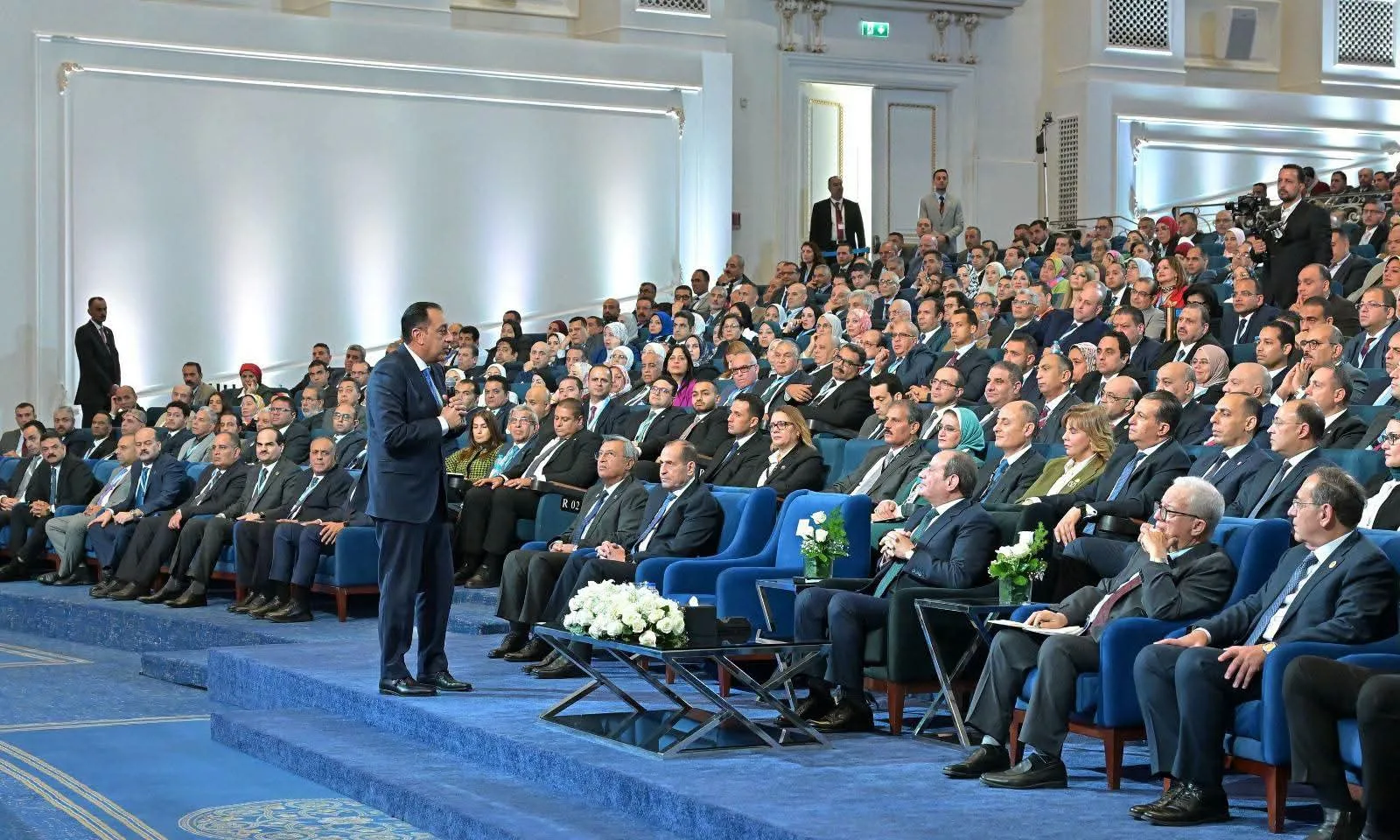
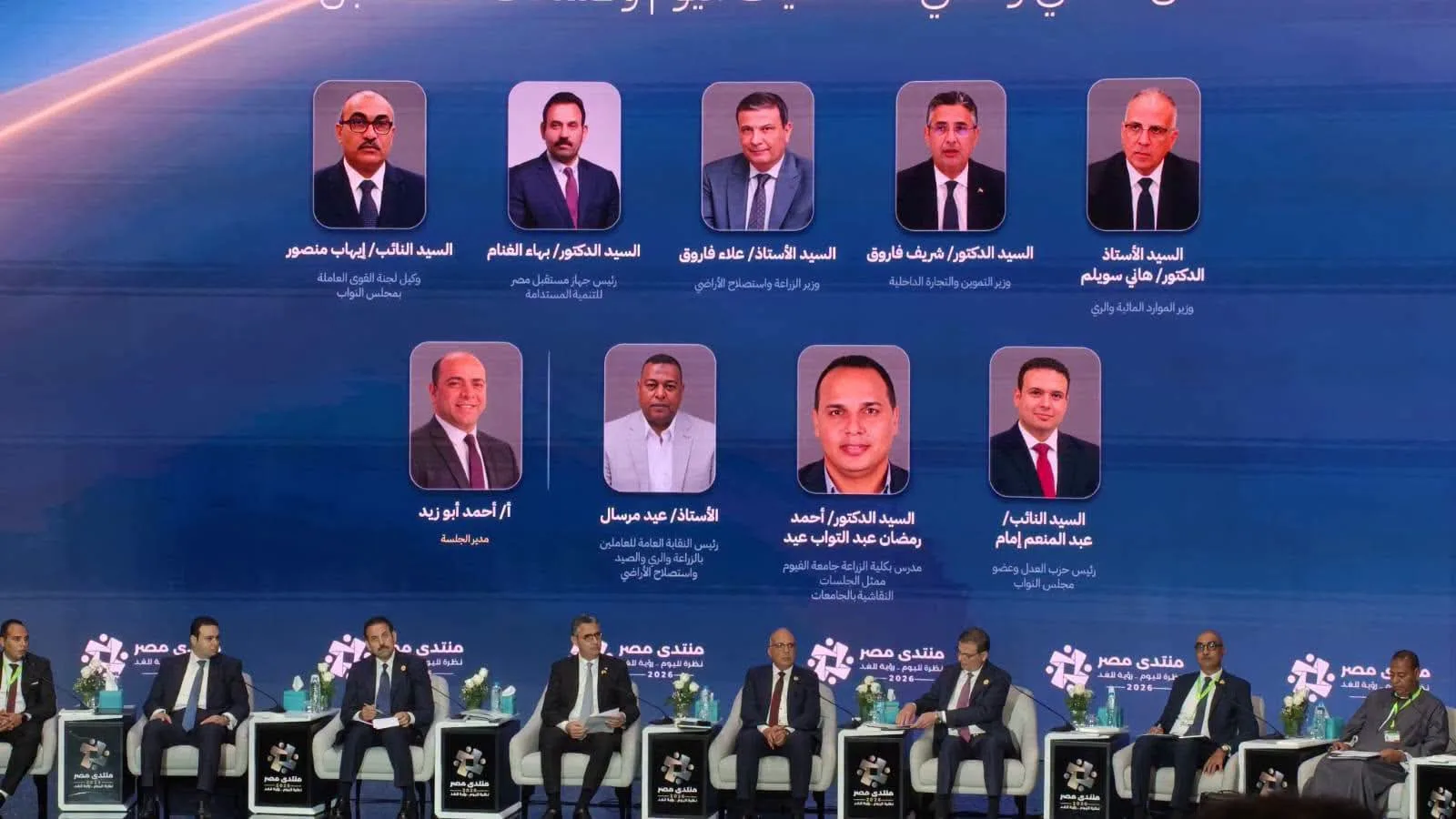
Speaking at a session titled “Egypt’s Energy Journey: National Achievements and Future Prospects” during the fourth day of Egypt Forum 2026, Madbouly said the state budget was created with an oil price of $75 per barrel, while the current prices had increased to around $110.
He noted that the increase affects not only transportation fuel prices but also natural gas used in electricity generation, adding additional strain on state finances.
Madbouly outlined three potential approaches. The first would pass the entire increase in costs on to citizens, as many countries have done.
The second would require the government to absorb the entire rise, either through available resources or borrowing, which would raise interest payments and public debt.
He warned that borrowing could significantly increase future financial obligations, with the amount owed potentially doubling over seven years due to accumulated interest.
The third option would be to maintain the budget’s existing allocations and purchase petroleum products at higher prices within the available resources. However, this could cover only 50 to 60 per cent of citizens’ needs, leading to fuel shortages at petrol stations.
Madbouly added that insufficient resources could also force the government to implement electricity load shedding for six to eight hours a day.
He said the economic team, in coordination with the Central Bank governor, holds frequent meetings to secure the financial resources needed to pay for fuel shipments. Their costs have doubled compared with two years ago, despite efforts to reduce consumption and expand the utilization of renewable energy.
Meanwhile, Egypt is accelerating its renewable energy targets.
Madbouly said the original plan aimed for renewables to account for 42 per cent of the energy mix by 2030. Following presidential directives, the target was raised to 45 per cent by 2028 and 50 per cent by 2030.
He added upgrading electricity networks to support the 45 per cent target by 2028 would cost around LE200 billion, with the necessary funding included in the government’s plan.
Madbouly said these efforts aim to secure essential supplies, maintain reliable electricity and fuel supplies, and ensure the continued availability of goods in the market.

