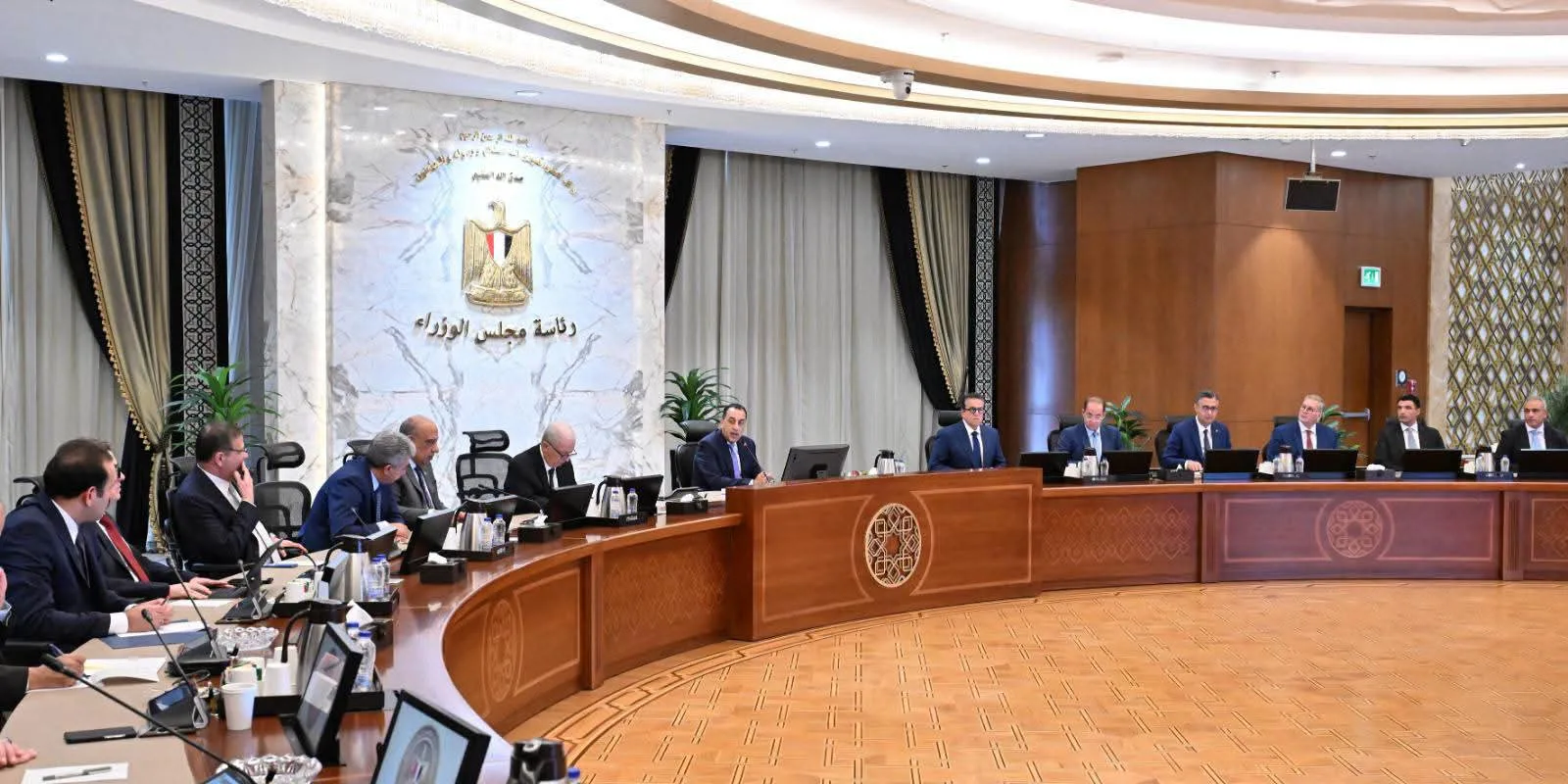


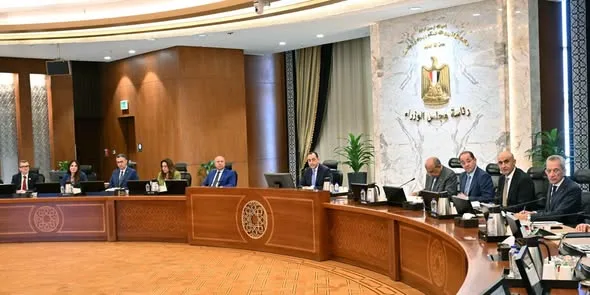




Prime Minister Dr Mostafa Madbouly chaired a meeting of the Central Crisis Management Committee at the government headquarters in the New Administrative Capital to assess the implications of escalating geopolitical tensions in the region and their potential impact on global markets, international supply chains and the domestic economy.
The meeting reviewed the challenges arising from rising global prices, disruptions to international trade, volatility in energy markets and increasing transport and shipping costs.
Discussions also focused on the adequacy of Egypt’s strategic reserves of essential food commodities, medicines, medical supplies and fertilisers, alongside measures to safeguard domestic supply, strengthen national preparedness and mitigate the effects of potential regional and international developments.
Cabinet spokesperson Counsellor Mohamed Adel said the prime minister had directed the relevant authorities to strengthen safe strategic reserves of essential food commodities and petroleum products to ensure the continued availability of critical supplies and meet domestic demand amid heightened regional uncertainty.
The meeting also reviewed the status of strategic stocks of essential commodities, medicines, medical supplies and fertilisers. According to the Cabinet spokesperson, current reserve levels were confirmed to be secure and satisfactory, providing reassurance regarding the availability of these essential items.
On export development, the Prime Minister directed the acceleration of incentives and measures designed to increase Egyptian exports, in line with the recommendations and outcomes of the Egypt 2026 Forum.
The proposed measures include updating the export rebate programme, expanding export support for promising sectors and increasing allocations for shipping to target markets.
These steps are intended to strengthen the competitiveness of Egyptian products, facilitate access to international markets and support the expansion of national exports.
The committee also examined plans to broaden initiatives promoting the transition to solar energy, reflecting the Government’s commitment to expanding renewable energy projects and increasing the share of clean and sustainable energy in the national energy mix.
The initiative is consistent with the objectives outlined at the Egypt 2026 Forum, which include expanding renewable energy capacity and reaching approximately 30 gigawatts of installed capacity by the end of 2028.
The Cabinet spokesperson further highlighted the need for continued monitoring of international geopolitical developments and their wider economic consequences.
Escalating tensions have contributed to volatility in energy markets, disrupted supply chains and international trade, and increased transport and shipping costs.
These pressures have affected trade flows and production costs, while contributing to higher prices across global markets.
The resulting inflationary pressures have driven up the prices of food, essential commodities and fuel, placing additional strain on national economies and household budgets, particularly in countries that depend on imports to meet part of their domestic demand.

