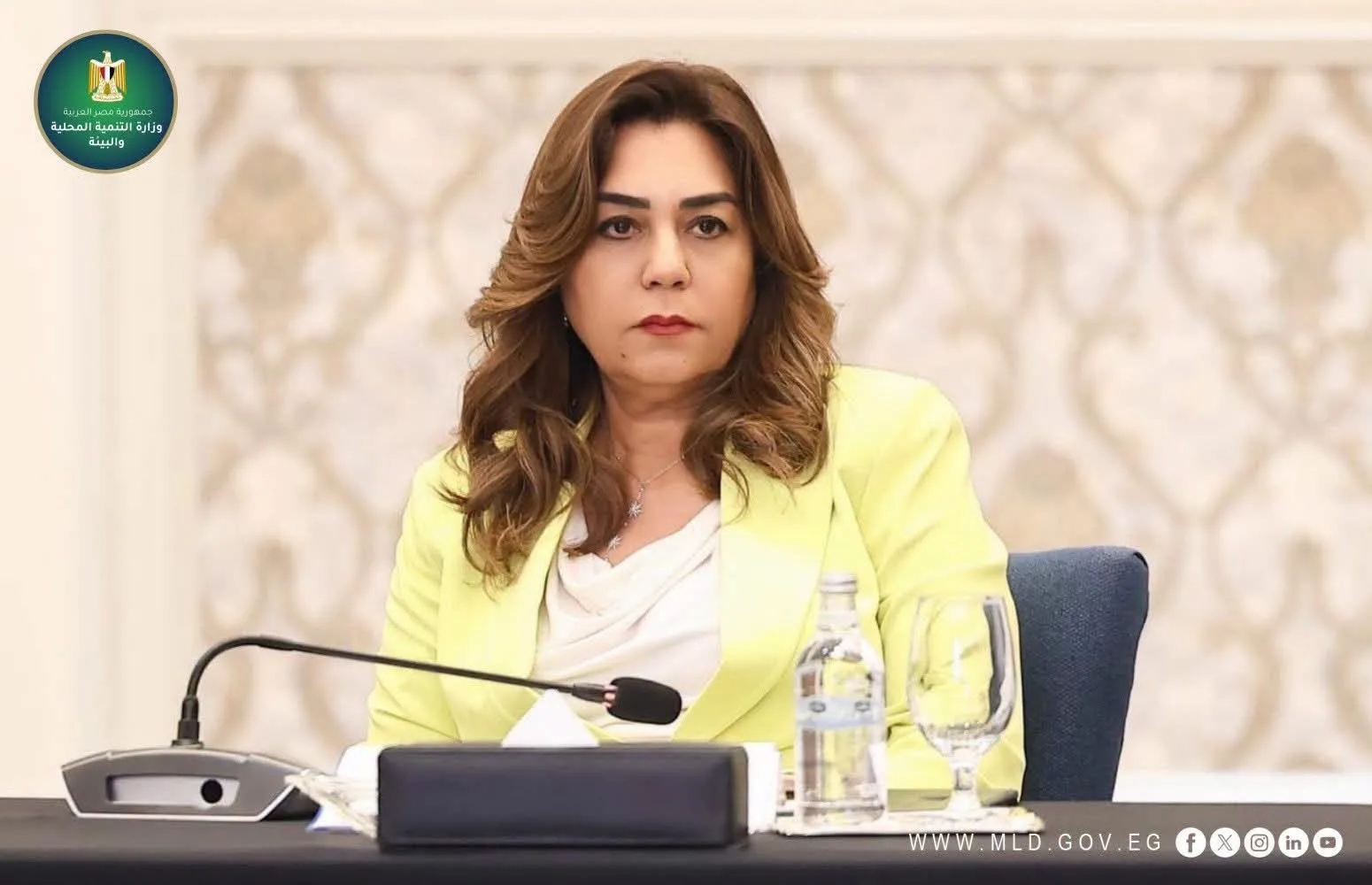










Egypt’s Minister of Local Development and Environment, Manal Awad, announced on Friday that detailed urban plans for the cities of Nakhl and El-Hasana in North Sinai Governorate have been completed.
The plans aim to regulate urban expansion, optimise land use, and identify future requirements for roads, infrastructure and public services.
The initiative forms part of the state’s efforts to improve public services and advance comprehensive development across the Sinai Peninsula, in line with directives from President Abdel Fattah El-Sisi.
Under the new plan, the designated urban area of Nakhl will expand from 369 feddans to 1,251 feddans by 2037. The framework is designed to accommodate projected population and urban growth while identifying sites for the activities and services needed to meet future demand.
Meanwhile, the detailed urban plan for El-Hasana covers 403 feddans and sets out land-use allocations, traffic circulation routes and road networks to guide development and support orderly urban expansion.
Awad said the completion of the plans marks an important step towards improving urban planning in both cities by clearly defining land uses and identifying requirements for roads and public services.
She added that the measures would contribute to higher living standards and create a more organised and sustainable urban environment for residents.
The minister affirmed that the ministry would continue coordinating with relevant authorities and the North Sinai Governorate to advance local planning and development. Efforts will take environmental and urban planning standards into account while strengthening essential services and infrastructure, supporting economic growth and creating job opportunities for local communities.
Awad noted that detailed urban plans are essential tools for managing urban growth, as they designate residential, commercial, service and industrial zones and establish primary and secondary road networks. Such plans help curb unplanned expansion and unauthorised construction while ensuring that development meets both current and future community needs.

