




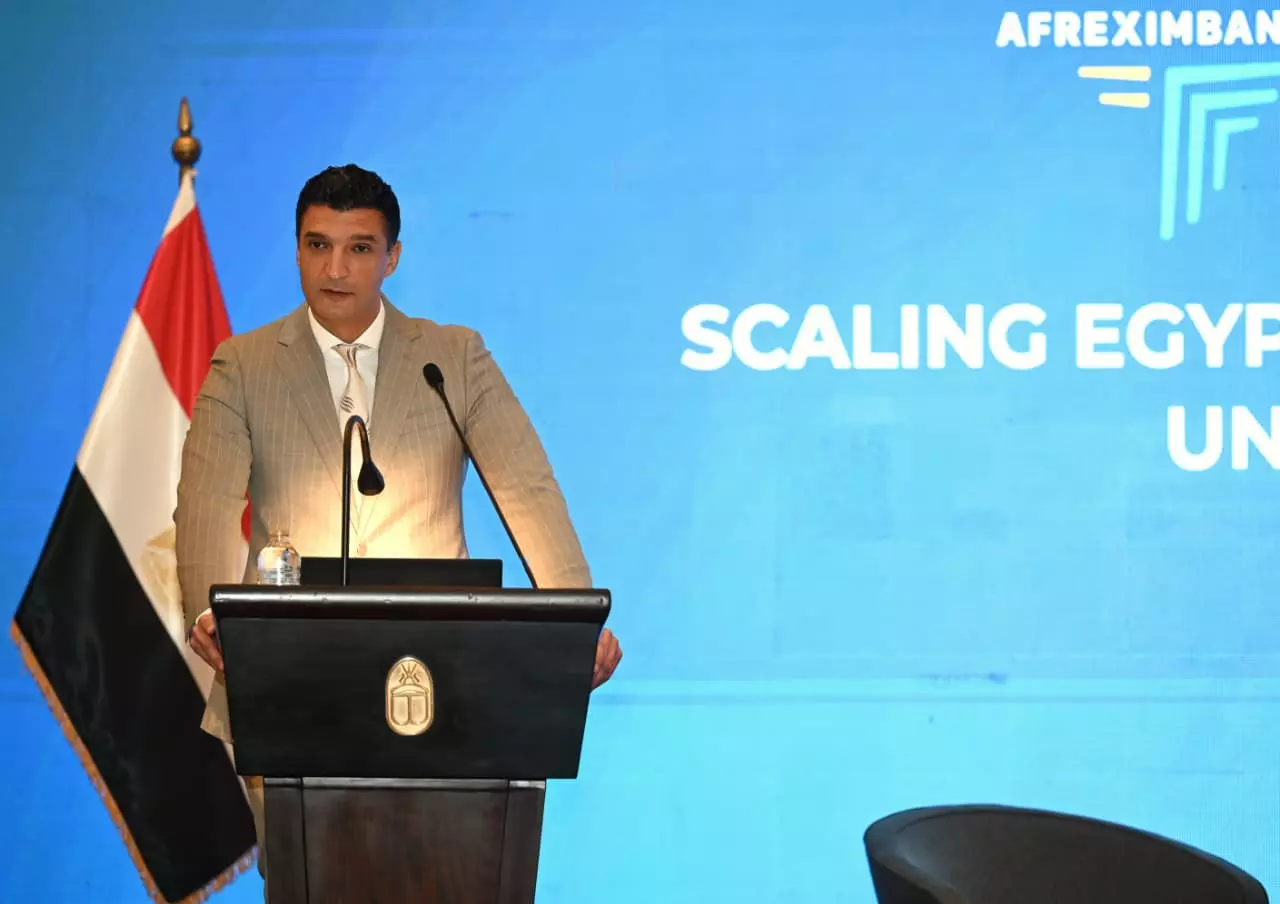



Egypt’s Minister of Planning and Economic Development Ahmed Rostom has stressed the importance of manufacturing in creating jobs, increasing added value and achieving economic prosperity, saying sustainable growth in emerging markets and developing economies depends on expanding production, manufacturing and exports.
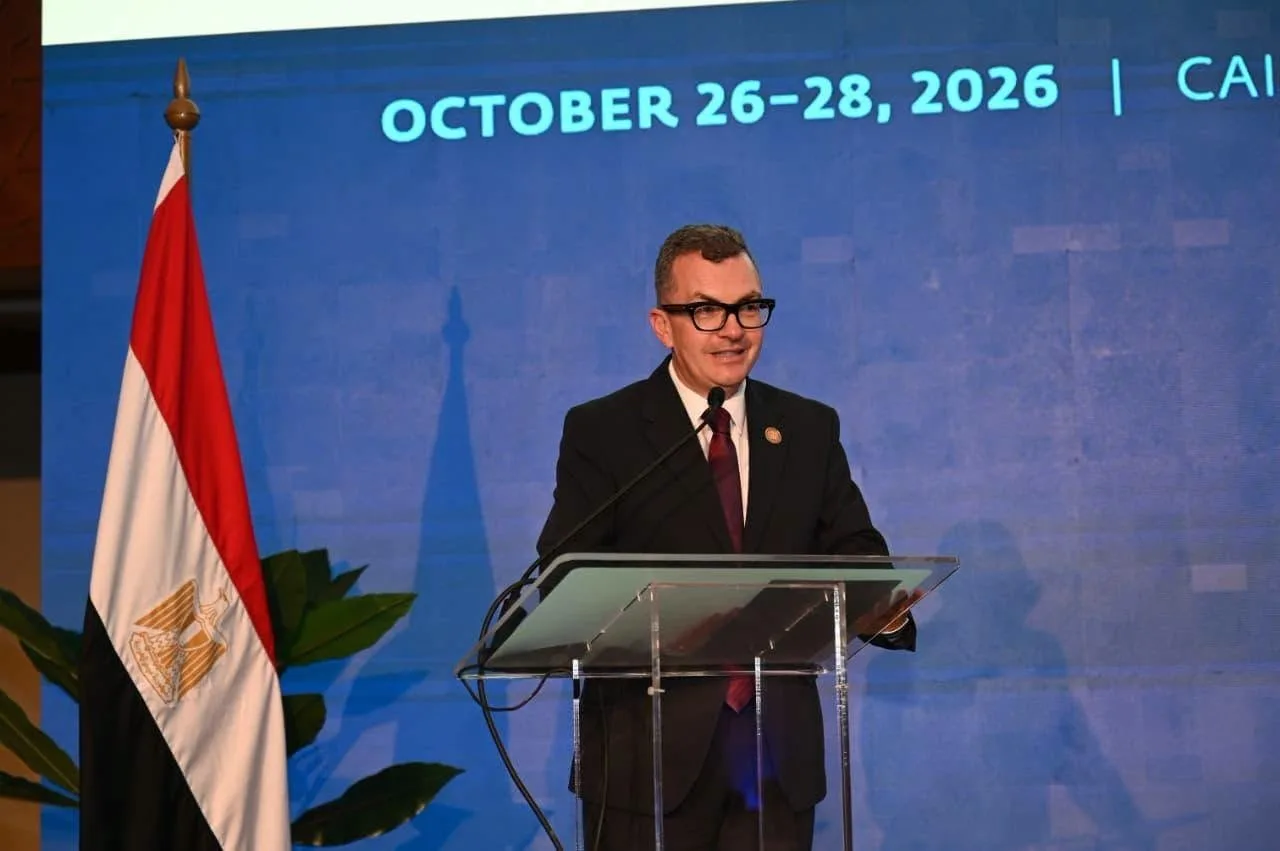
Actual production is essential to achieving sustainable growth, creating resilient jobs and expanding the middle class, Rostom told the opening session of the 5th World Bank Group’s (WBG) Global Manufacturing Conference, held under the theme “Manufacturing for Jobs, Value Addition and Prosperity”, Cairo, October 26-28.
The session was attended by Deputy Prime Minister for Economic Affairs Hussein Eissa, Minister of Industry Khaled Hashem, WBG Vice-President for Prosperity Pablo Saavedra, WBG Head of Global Manufacturing Femi Akinrebiyo, and a number of senior World Bank officials and global industry leaders.
Rostom highlighted the challenges posed by the restructuring of global supply chains and the growing role of technology in industrial development.
The key challenge is to build competitive industries that provide quality jobs for young people while enabling economies to generate greater added value through their participation in global value chains, he said.
The minister stressed the need to turn the growing number of young people entering the labour market into a productive force. Economic growth, he added, must be underpinned by structural transformation that boosts productivity, expands the production base and creates formal, sustainable jobs.
He outlined two key priorities: moving up global value chains to maximise domestic added value, and creating sustainable employment. Manufacturing generates jobs beyond factory floors, as each new industrial job can create additional indirect employment in transport, logistics, digital services, technical training and engineering, he noted.
Rostom said Egypt had placed manufacturing and value addition, driven by the private sector, at the heart of its national economic strategy.
Under the government’s Economic Transformation Programme for 2027–2030, industrial policy would focus on three main pillars, in line with the national industrial strategy developed by the Ministry of Industry.
The first is empowering the private sector as a driver of growth by improving the business environment, removing structural barriers to investment and providing clear, stable regulatory frameworks. These measures aim to give investors and industrialists the confidence to expand their operations and increase investment.
The second pillar involves developing promising industrial clusters and advancing green manufacturing, from advanced automotive and engineering industries to renewable energy components and sustainable agro-industries.
Egypt is also working to integrate green manufacturing principles into industrial zones to help domestic products meet evolving international environmental standards, including the European Union’s Carbon Border Adjustment Mechanism (CBAM), Rostom said.
The third pillar focuses on reducing investment risks and expanding access to financing. High upfront investment costs remain a major obstacle to establishing and expanding industrial projects, he noted.
The government is therefore working to introduce innovative financing mechanisms, including co-operation with the WBG to mitigate investment risks, encourage private investment and attract more domestic and international capital.

