




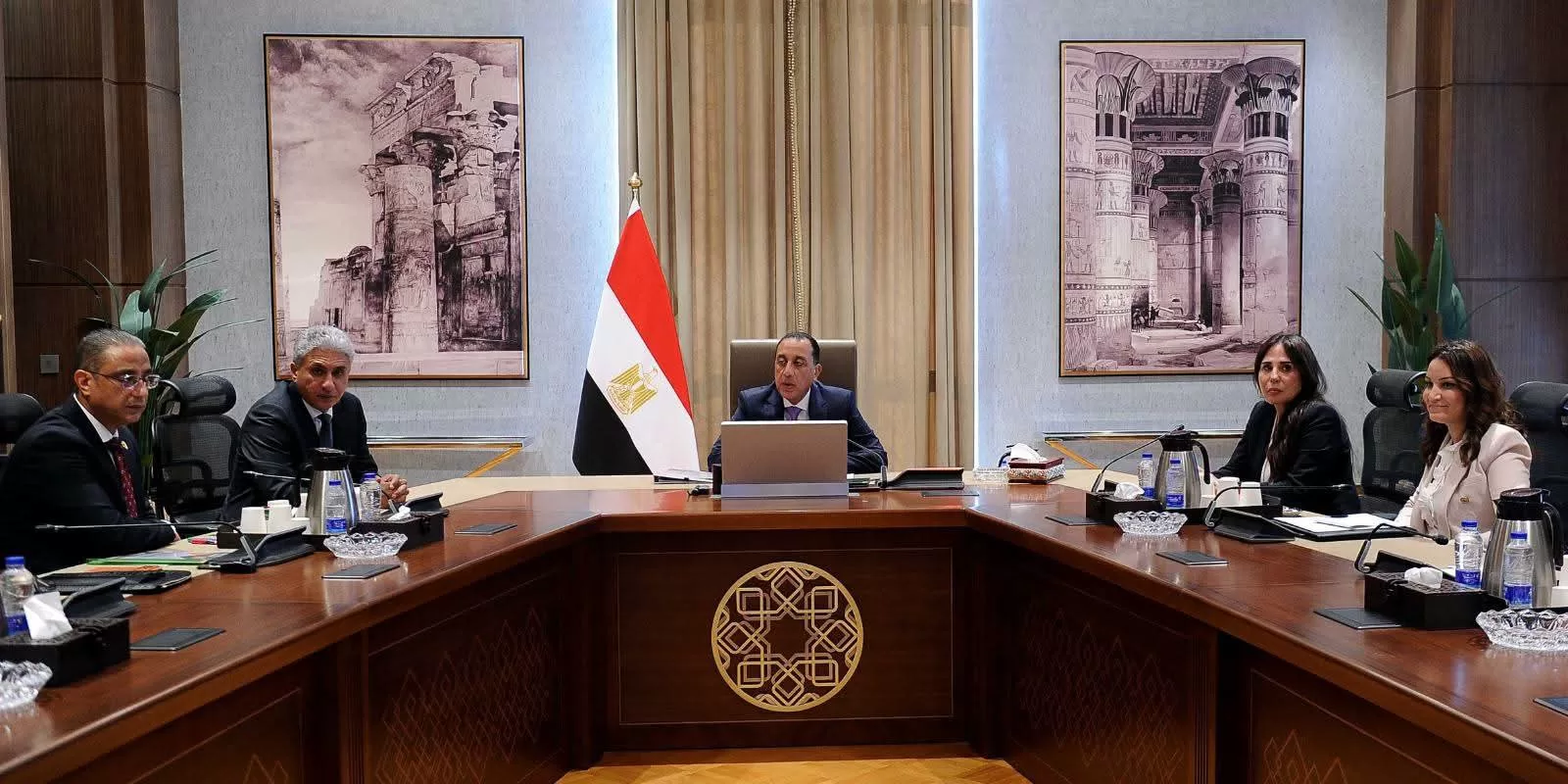
Prime Minister Mostafa Madbouly on Thursday stressed the importance of developing and revitalising areas surrounding the Pyramids as part of a comprehensive vision to upgrade tourism and hospitality services, provide modern infrastructure befitting Egypt’s historic stature, maximise the area’s unique assets and attract increased international and domestic tourism.
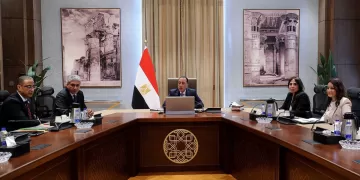
Madbouly made the remarks during a meeting at the government headquarters in the New Capital to review the latest developments in the Nazlet El-Semman revitalisation project.
Minister of Tourism and Antiquities Sherif Fathy, Minister of Housing, Utilities and Urban Communities Randa el-Menshawy, Giza Governor Ahmed El-Ansary, and senior state officials attended the meeting.
During the meeting, Project Consultant Mohamed el-Khatib presented the detailed plan, describing Nazlet El-Semman as an urban extension of a World Heritage Site with an established local community.
He stressed that revitalisation represents a significant development opportunity, with community participation and partnership at its core, while balancing heritage preservation, tourism development and social stability.
He explained that the master plan surrounding the Grand Egyptian Museum and Pyramids seeks to transform Nazlet El-Semman into a world-class cultural tourism destination complementing the museum and Giza Plateau.
The vision through 2030 integrates hospitality, cultural activities and open spaces, improves the urban environment and leverages the area’s heritage and visual value to create a vibrant, sustainable place to live, work and visit.
The plan is based on six pillars: archaeological preservation, community engagement, urban revitalisation, mobility and connectivity, management and financing, and tourism development.
It also includes integrated transport, hotels and guesthouses, markets, restaurants, visitor plazas, residential areas, artisanal workshops, community services, schools, health centres, and pedestrian and cycling routes.
Further, the plan features community-focused tourism experiences, including public squares for celebrations and performances and an artisan complex with workshops, training halls and retail outlets. Sustainability measures include waste management and recycling, tree planting and green corridors, and solar energy.
Implementation involves the ministries of housing and tourism and antiquities, Giza Governorate, relevant agencies, local residents, civil society, the private sector, and academic and consultancy institutions.

