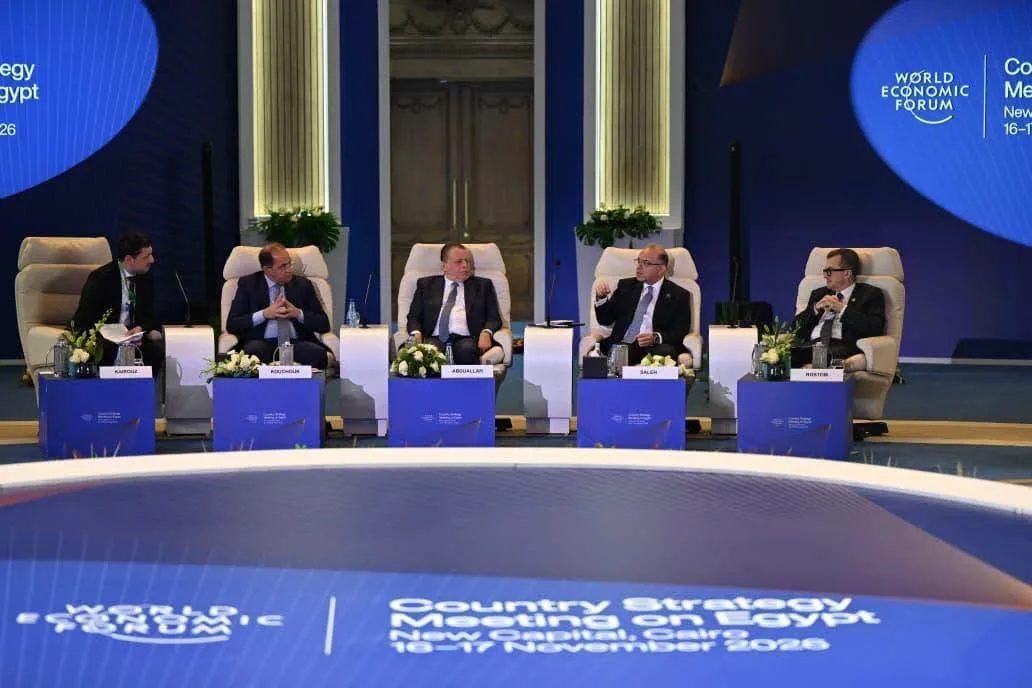
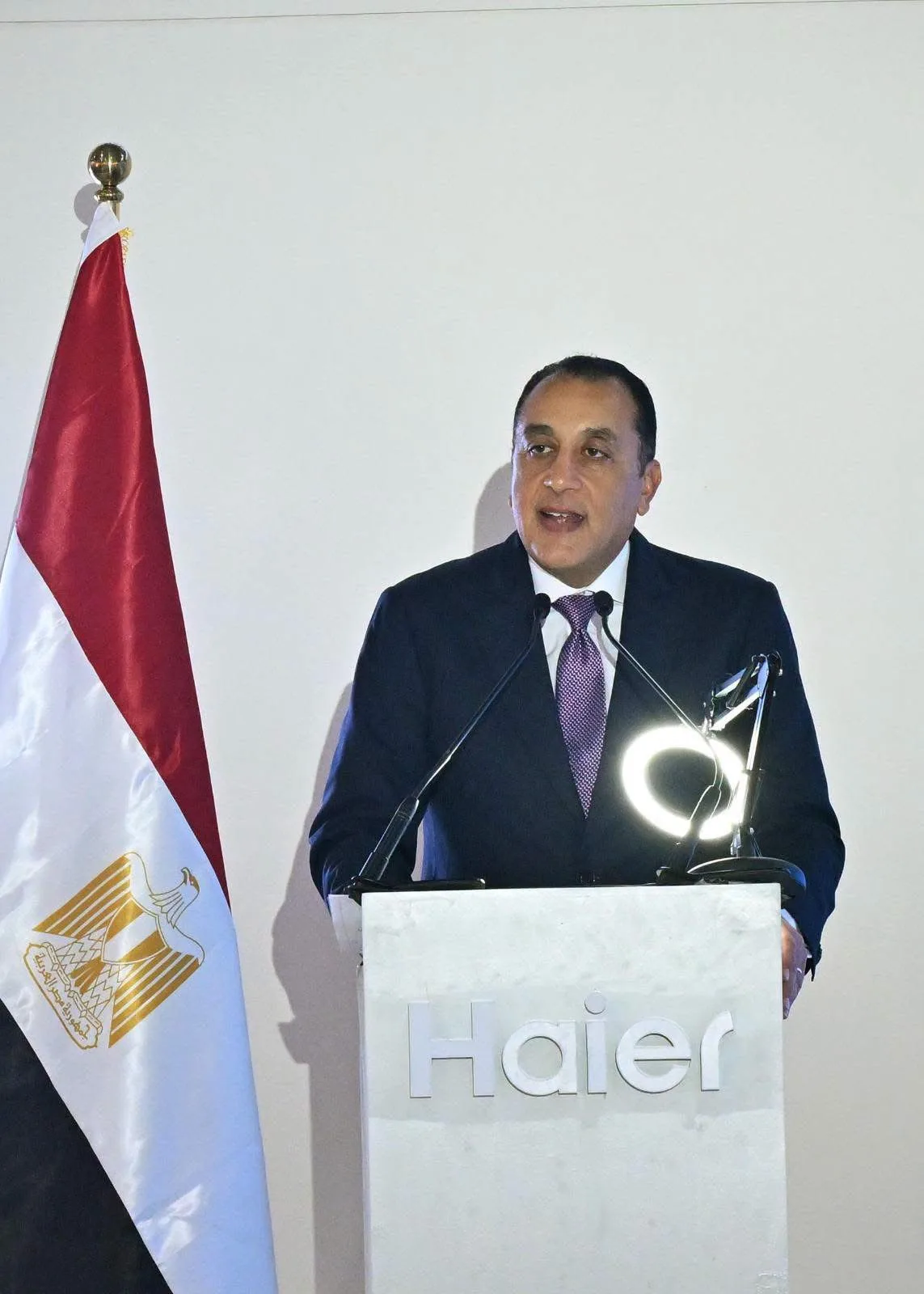









Speaking at the opening session of the World Economic Forum’s business-focused meeting in Cairo, Investment and Foreign Trade Minister Mohamed Farid said Egypt’s investment and trade strategy is built around three core pillars: facilitation, promotion and protection, aimed at improving the investment climate, enhancing competitiveness and attracting greater private sector participation.
Farid said simplifying procedures, improving the quality of services, promoting high-value investment opportunities and strengthening confidence in the business environment are essential to improving investors’ experience and supporting sustainable investment growth.
The minister highlighted digital transformation and data integration as key drivers of reform, noting that Egypt is expanding the use of technology and artificial intelligence to streamline investment and trade procedures, identify opportunities, improve service delivery and enhance investment promotion efforts. He also pointed to the development of the Economic Entities Platform as part of a broader effort to create an integrated digital ecosystem for investors.
Farid stressed that localising development across governorates remains a government priority through the expansion of investment zones and better utilisation of each governorate’s economic and production advantages, helping attract investment, create jobs and strengthen local value chains.
On foreign trade, the minister said technology is becoming a central tool in improving trade efficiency and export competitiveness. He highlighted initiatives such as the TradeTech Sandbox and the Innovation Centre, which provide an environment for testing innovative technological solutions based on artificial intelligence, data analytics and smart regulatory tools to address challenges facing exporters and importers.
Farid concluded that strengthening investment and foreign trade requires a combination of regulatory facilitation, effective promotion, investor protection, digital transformation and the expansion of investment zones, all of which support private sector-led growth, increased production and exports, and access to new markets for Egyptian companies.

