








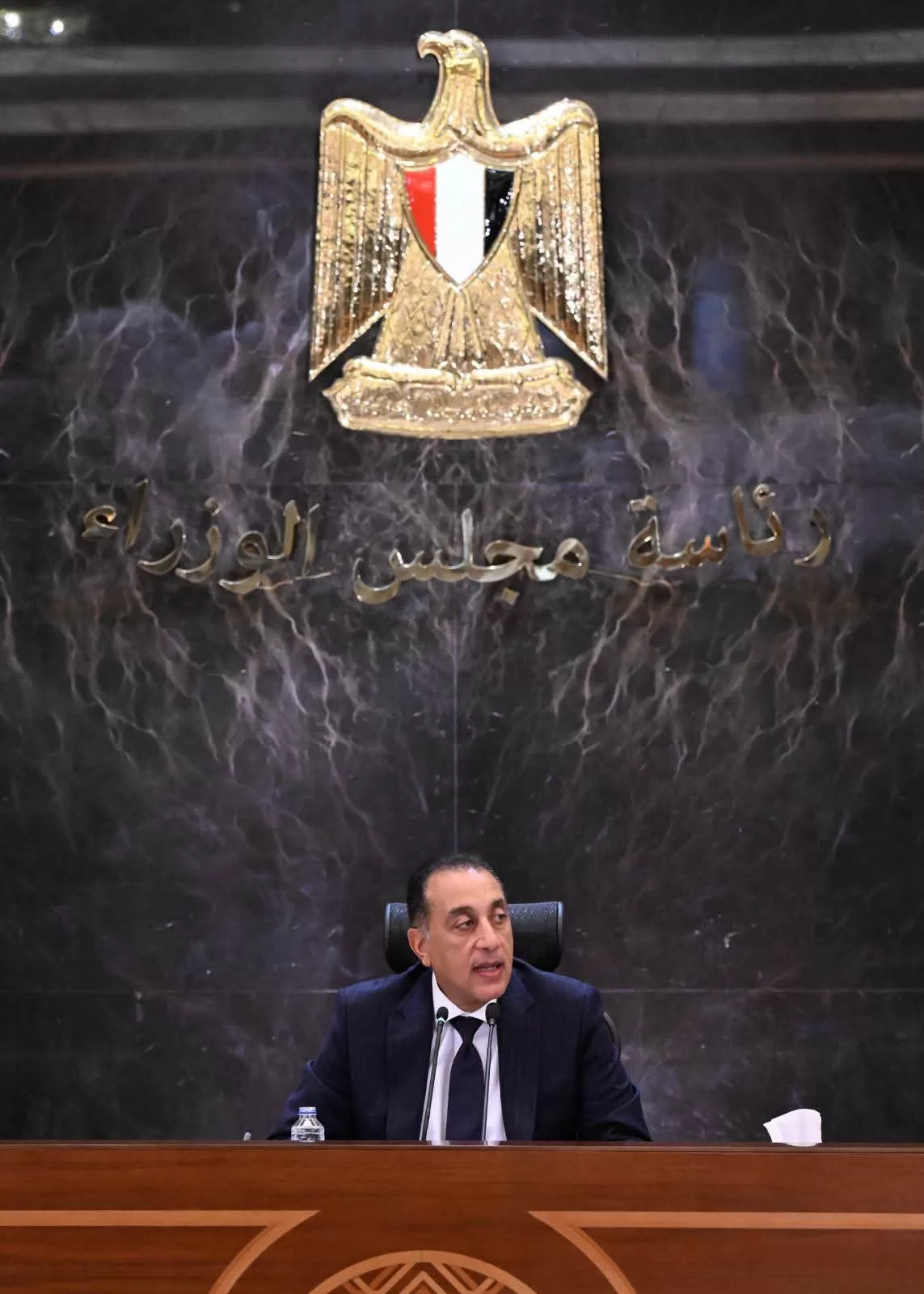
Egypt’s Prime Minister Moustafa Madbouli reiterated on Wednesday that the International Monetary Fund’s approval, at staff level, of the seventh review of Egypt’s economic reform programme reflects the considerable efforts undertaken by the government and various state institutions to maintain economic stability despite regional challenges.
Speaking during the weekly press conference held following the Cabinet meeting, Madbouli added that the IMF statement commended the proactive and decisive measures adopted by the Egyptian government since the outbreak of the war in the region.
He noted that prudent economic management had shielded Egypt from many of the conflict’s adverse repercussions.
The prime minister further stressed that the IMF’s praise confirms the soundness of the state’s approach in implementing its economic reform programme and demonstrates that the government’s policies are moving in the right direction.
He noted that the fund recognised Egypt’s success in achieving key fiscal targets, particularly generating a primary surplus and reducing the budget deficit, in addition to rationalising expenditure, implementing energy-saving measures and expanding social protection programmes.
The premier, additionally, highlighted progress in the government’s privatisation programme, announcing the provisional listing of four additional state-owned companies on the stock exchange, bringing the total number of provisionally listed companies to 20, in line with the target set for the end of June.
He noted that three of the newly-listed companies belong to the petroleum sector: Enppi, Elab and the Egyptian Drilling Company.
He explained that provisional listing represents the first step towards offering stakes in state-owned companies and does not imply their sale.
Rather, it allows for capital increases or partial share offerings that enable citizens and investors to participate in these assets while strengthening governance, transparency and disclosure standards.
The prime minister reaffirmed the government’s commitment to advancing the privatisation programme and increasing private sector participation in economic activity.
He also referred to the approval of the 2026/2027 state budget, which includes increases in wages and pensions and measures aimed at improving the investment climate and responding to private sector demands.

