




Egypt’s Financial Regulatory Authority (FRA) is stepping up efforts to deepen the country’s capital market, improve liquidity and expand investment opportunities, while supporting the government’s privatisation programme and advancing reforms across the non-banking financial sector.
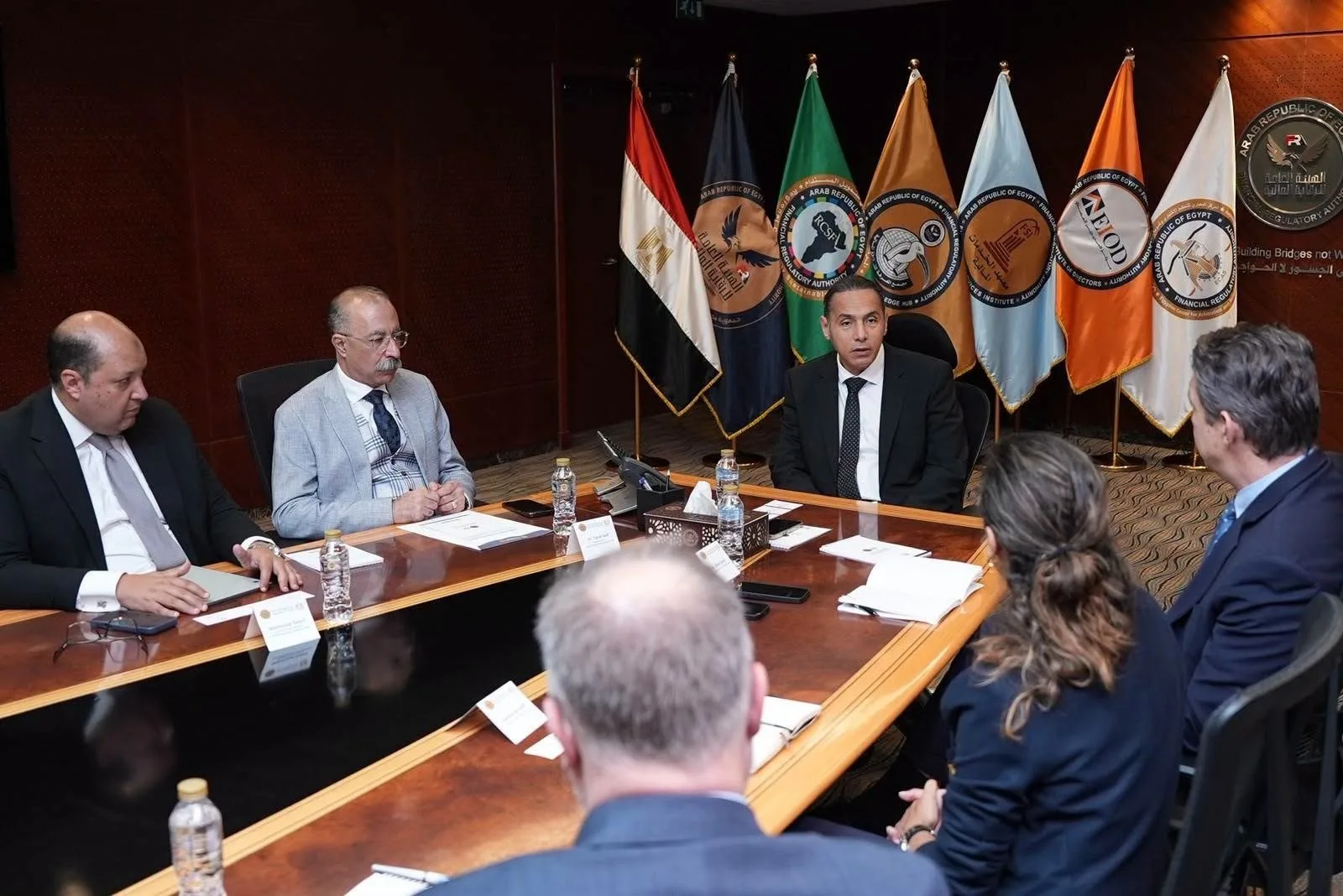
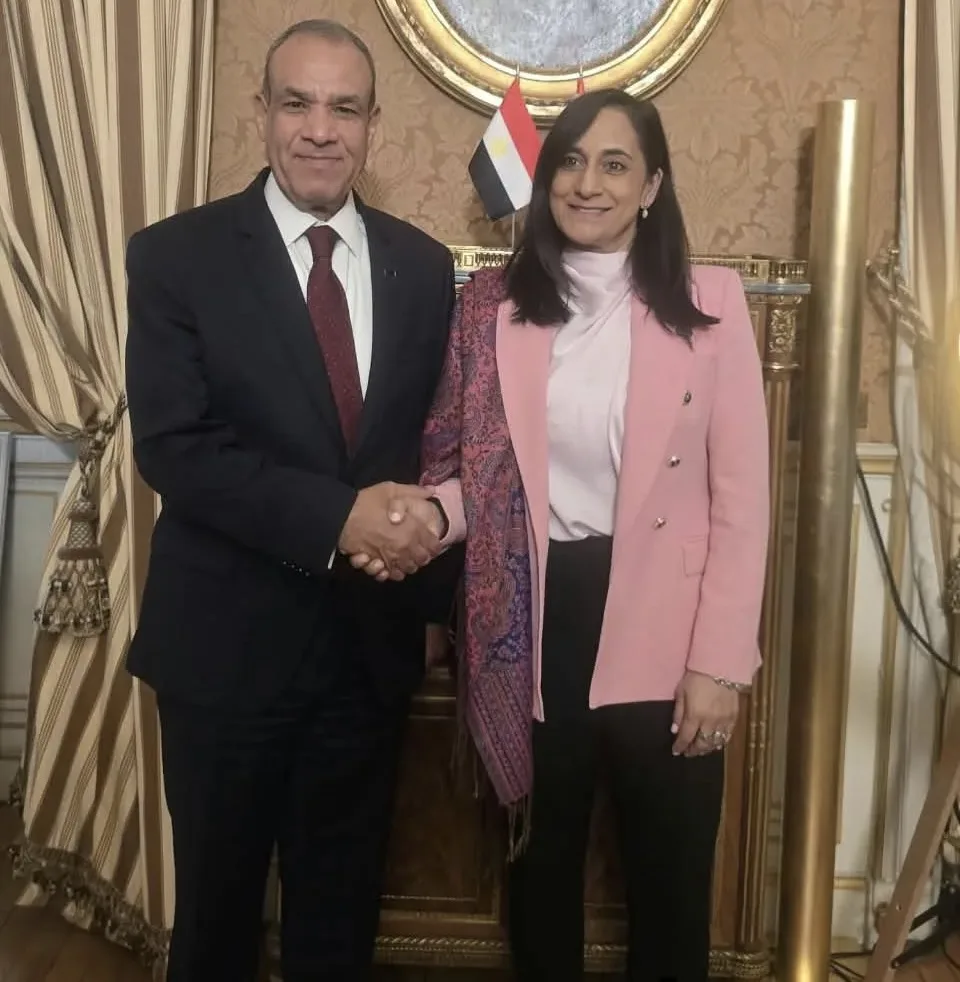
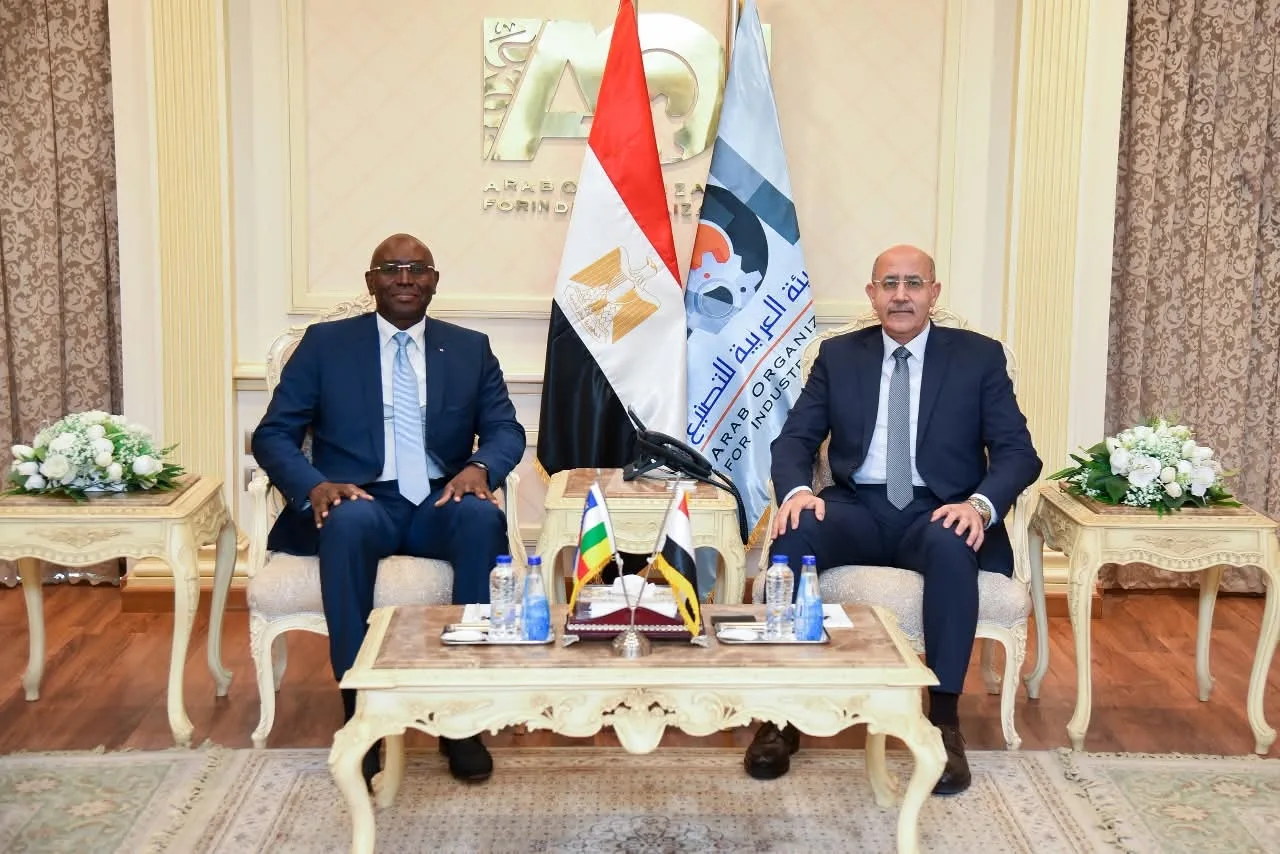
FRA Chairman Islam Azzam discussed these efforts during a meeting on Tuesday with a delegation from the European Bank for Reconstruction and Development (EBRD), led by Mark Davis, Managing Director for the Southern and Eastern Mediterranean (SEMED) region and Head of the EBRD’s operations in Egypt.
Azzam outlined developments in Egypt’s capital market, highlighting the launch of the financial derivatives market last March and preparations to introduce short-selling, followed by a market-making mechanism to enhance liquidity and improve securities pricing.
He also reviewed developments in investment funds, including the introduction, for the first time in Egypt, of regulations governing hedge funds and allowing them to invest in derivatives, engage in short-selling and trade other actively traded instruments.
In addition, the FRA is preparing to launch the country’s first licensed digital platform for investment in real estate investment funds, enabling individuals to acquire indirect stakes in property assets through investment units.
Regarding recent and planned government offerings, including the listing of Banque du Caire shares and the planned offering of Misr Life Insurance, Azzam reaffirmed the FRA’s full support for implementing the second edition of the State Ownership Policy Document.
The authority is working to facilitate offering procedures, review prospectuses and disclosures, assess fair share valuations, and complete regulatory requirements for listing, trading and settlement, he said.
On the insurance front, Azzam said the FRA had issued more than 90 regulatory decisions since the enactment of the Unified Insurance Law No. 155 of 2024. Recent measures aim to simplify product approval procedures, encourage the introduction of new insurance products, improve underwriting and pricing, and strengthen risk management.
He also highlighted plans to enhance insurers’ financial solvency, including raising minimum capital requirements and gradually adopting the Solvency II framework to strengthen risk-based supervision.
The meeting also addressed non-bank financing, particularly the use of financial technology, improved identity verification procedures and stricter creditworthiness assessments to facilitate access to finance while protecting customers and reducing default risks.
Azzam further reviewed Egypt’s voluntary carbon market, the first regulated and supervised market of its kind in Africa for trading carbon emission-reduction certificates. Discussions also covered the implementation of disclosure standards issued by the International Sustainability Standards Board (ISSB), particularly IFRS S1 and IFRS S2.
For their part, EBRD representatives welcomed the progress made by Egypt’s non-banking financial sector, highlighting its strategic role in supporting economic activity and expanding investment opportunities.
The two sides agreed to maintain co-operation on issues of mutual interest and explore opportunities to develop Egyptian markets, drawing on the EBRD’s expertise in modernising regulatory and supervisory frameworks.

