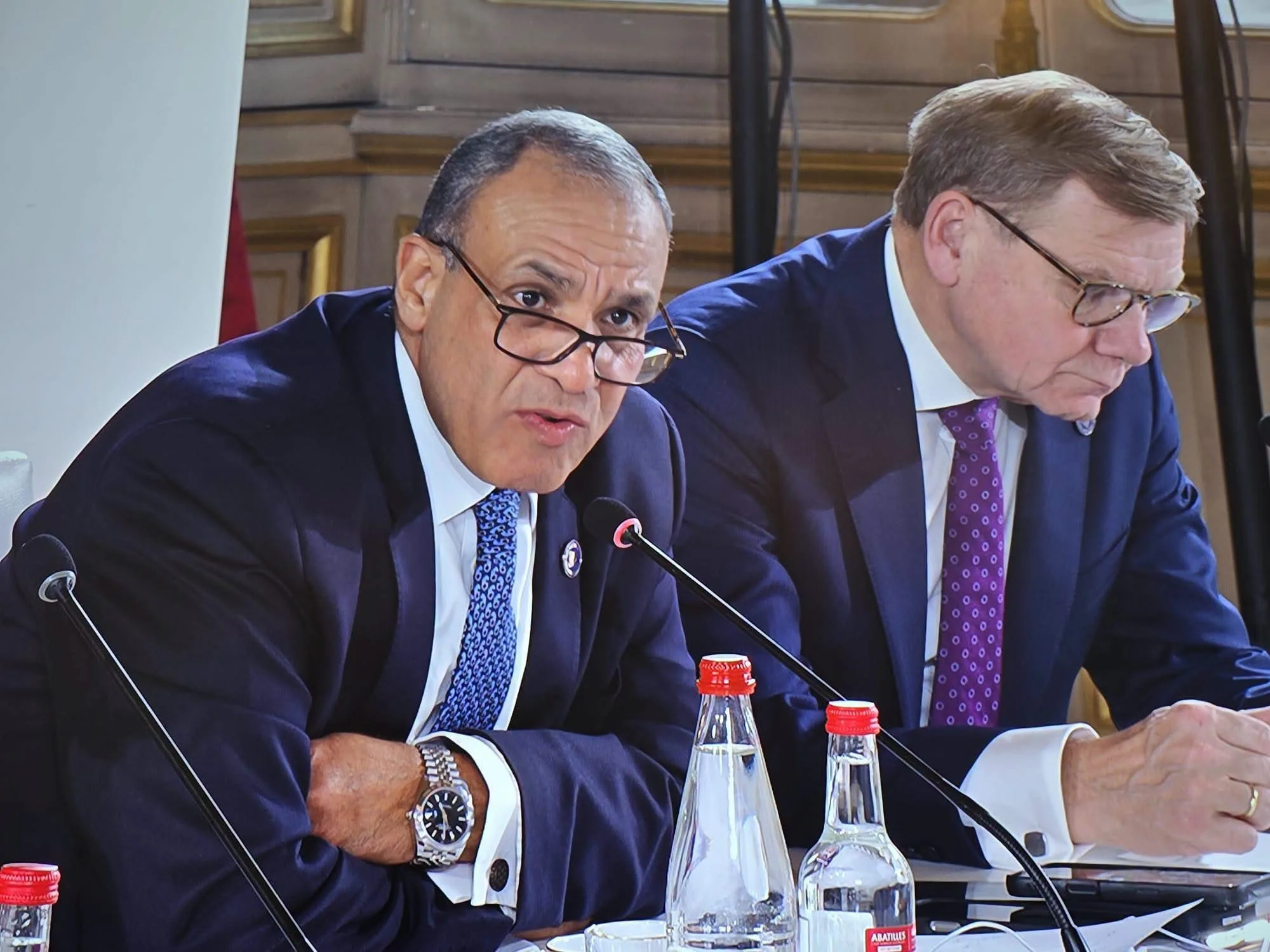
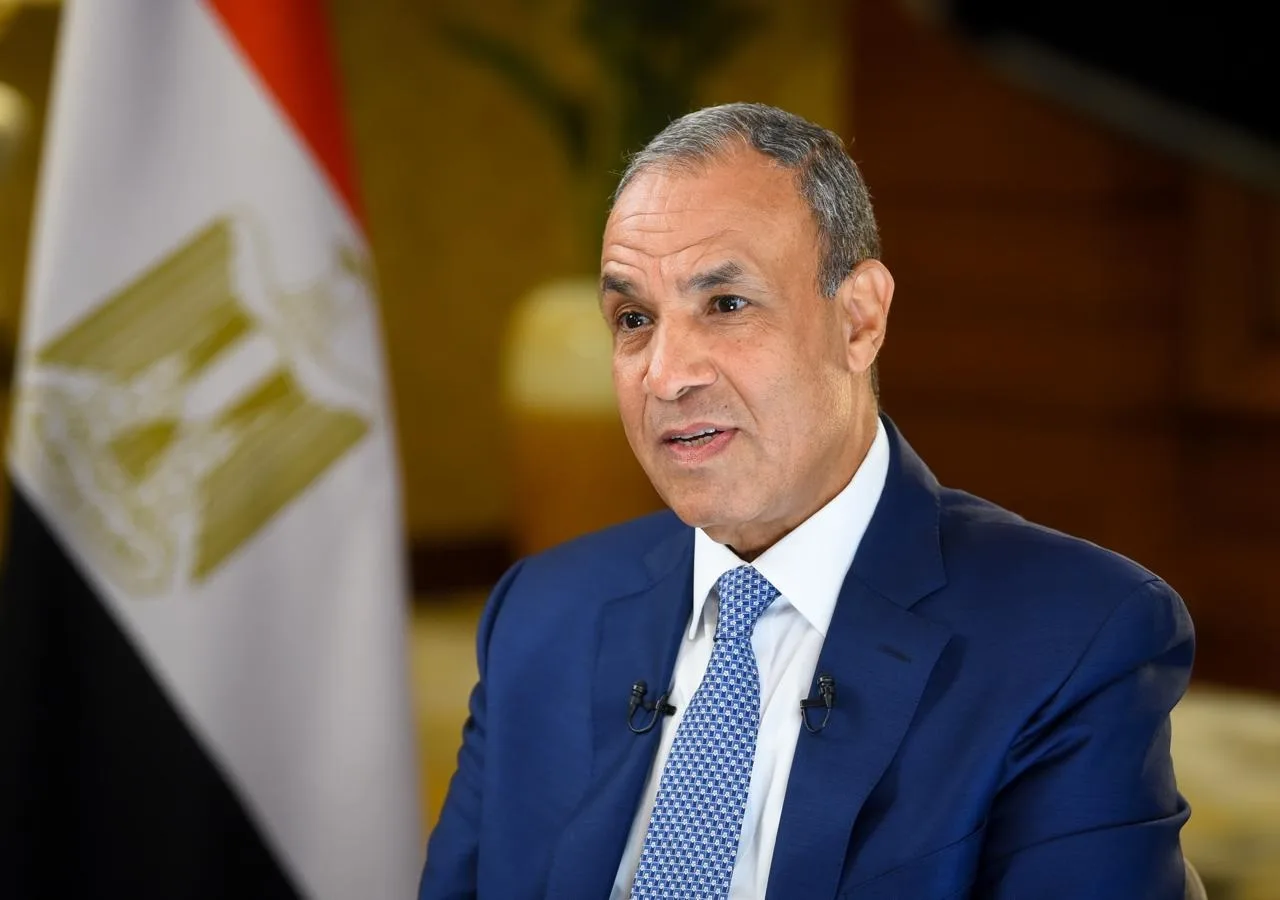

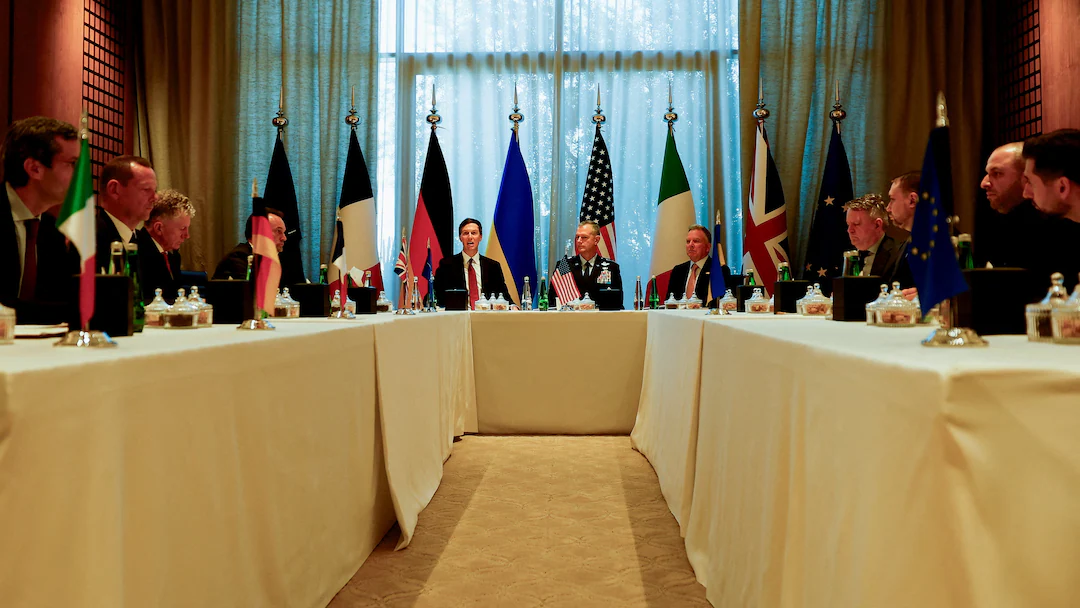





PARIS – Minister of Foreign Affairs, International Co-operation and Egyptian Expatriates Badr Abdelatty delivered on Tuesday Egypt’s statement as a keynote speaker at a session on Middle East stability, focusing on food security, during the G7 Foreign Ministers’ Meeting in Paris.
The session was attended by the foreign ministers of France, Britain, the United States, Canada, Germany, Italy and Japan, alongside the EU High Representative for Foreign Affairs and Security Policy and the foreign ministers of Saudi Arabia, Brazil and South Korea.
Abdelatty stressed that the region is beset by numerous conflicts, emphasising that political solutions, dialogue and diplomacy are the only way forward, as there are no military solutions to these conflicts. He also highlighted the catastrophic situation in the West Bank and Gaza Strip, pointing to Israeli restrictions on the entry of humanitarian aid into Gaza and settler violence in the West Bank.
The minister underlined that food security is a fundamental pillar of international peace and stability. He highlighted the impact of conflicts, geopolitical tensions, climate change and disruptions to global supply chains on food prices, placing an increasing burden on developing countries.
In this regard, he outlined Egypt’s national efforts to strengthen food security through increased agricultural production, diversification of import sources and the development of storage and distribution systems.
Abdelatty stressed the need to ensure the regular flow of food commodities and agricultural production inputs, as well as safeguard freedom of navigation through vital maritime corridors. He rejected the use of food as a means of political pressure or as a weapon in conflicts, calling for the protection of civilians and agricultural facilities and ensuring the delivery of humanitarian assistance.
He also pointed out that Egypt’s hosting of the 18th Conference of the Parties to the United Nations Convention to Combat Desertification (UNCCD COP18) in 2028 would provide an opportunity to strengthen international co-operation in addressing drought, promoting the water-food nexus and restoring land, particularly in Africa.
He emphasised the importance of providing developing countries with the necessary climate adaptation finance without imposing additional debt burdens on them.
Abdelatty further highlighted the growing food security challenges facing developing food-importing countries, particularly in Africa and the Arab region, as a result of conflicts, displacement and water scarcity.
Citing the situations in Gaza and Sudan, he drew attention to their severe impact on food supplies and livelihoods. He stressed the need to ensure safe, adequate, regular and unimpeded access for humanitarian assistance, alongside restoring domestic production capacities and rehabilitating infrastructure.
The foreign minister reaffirmed Egypt’s readiness to contribute to strengthening regional food security, drawing on its strategic location, infrastructure, ports, transport and logistics networks, grain storage facilities and food processing capabilities.
These assets, he noted, could support global trade flows and the distribution of food commodities.

