











As children increasingly turn to digital platforms to explore the world, cooperation between governments and tech companies is becoming essential to shield young users from online risks that can harm their mental well-being.
Information security expert Amr Sobhy noted that many of the dangers children face today, such as cyber-bullying and exposure to inappropriate content, stem directly from these platforms.
For that reason, he said, neither governments nor tech companies can tackle the problem effectively on their own.
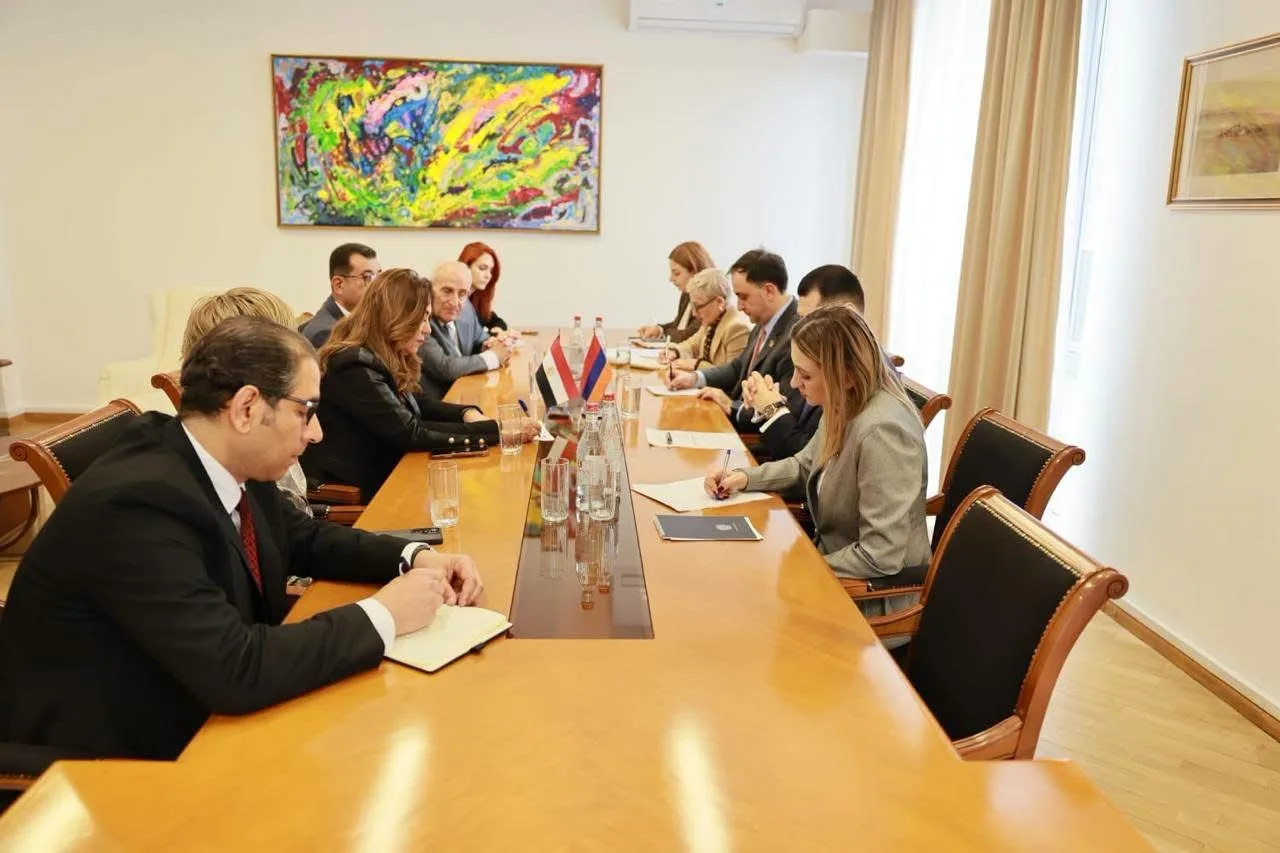
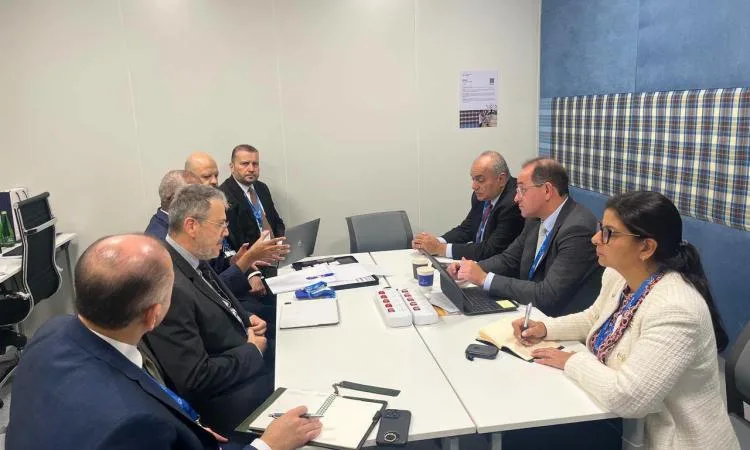
This shared responsibility was recently highlighted when Egypt’s Minister of Communications and Information Technology, Raafat Hendi, met Amer Ghaylen, TikTok’s Executive Director of Public Policy for the Middle East, Eurasia, and Africa, to discuss ways to improve child safety online.
“Tech companies are not just neutral platforms, but part of the solution,” Sobhy told The Egyptian Mail.
“They can adjust algorithms, strengthen safety features, and respond quickly to reports in ways that governments simply cannot do from the outside,” he added.
Sobhy emphasized that the real value of such partnerships lies in building ongoing collaboration, including by sharing expertise, improving reporting tools, enhancing safety settings, and running awareness campaigns for both children and parents.
At the same time, he stressed that cooperation with tech companies is only one piece of the puzzle.
Family awareness, digital education, and strong law enforcement are equally vital for lasting protection.
Child online safety has risen sharply on Egypt’s national agenda.
Earlier this month, the Ministry of Communications and Information Technology launched two new mobile services: “Etmen” (Rest Assured) and “Etmen Ala El-Akher” (Completely Rest Assured), known together as the “Child SIM”.
The services aim to create a safer browsing environment by blocking harmful or age-inappropriate content.
In February, Egypt released its first Child Internet Risk Index, which assesses digital safety for children aged five to 12 across areas, such as safe technology use, family supervision, protection from risks, and awareness support.
The index found that 48.5% of families reported their children in this age group spend less than two hours online daily, while 30.2% said they spend between two and four hours.
These steps follow President Abdel Fattah El-Sisi’s call for the government and the parliament to review international laws, including those in the UK and Australia that impose restrictions on children’s access to social media.
Egypt’s efforts reflect a growing global push to better protect children from the downsides of digital addiction, specialists said.
On July 2, YouTube introduced supervised children’s accounts across the Middle East and North Africa, including Egypt, giving parents more control over their kids’ activity on the platform.
Information technology expert Mahmoud Farag described regulating social media as an urgent priority, noting that digital platforms now play a major role in shaping young people’s awareness and cultural identity.
He said an effective protection system rests on three main pillars: technological tools like the Child SIM, educational programmes that help children navigate online risks, and robust legislation to combat cybercrimes, such as hacking and online blackmail.
Farag also called for major international platforms to establish a formal legal presence in Egypt, either through registration or by appointing a local representative, so they can comply with national data protection laws and respond to court orders.
“There is also an urgent need for developing a trusted national digital platform capable of competing with global services,” Farag said.

