




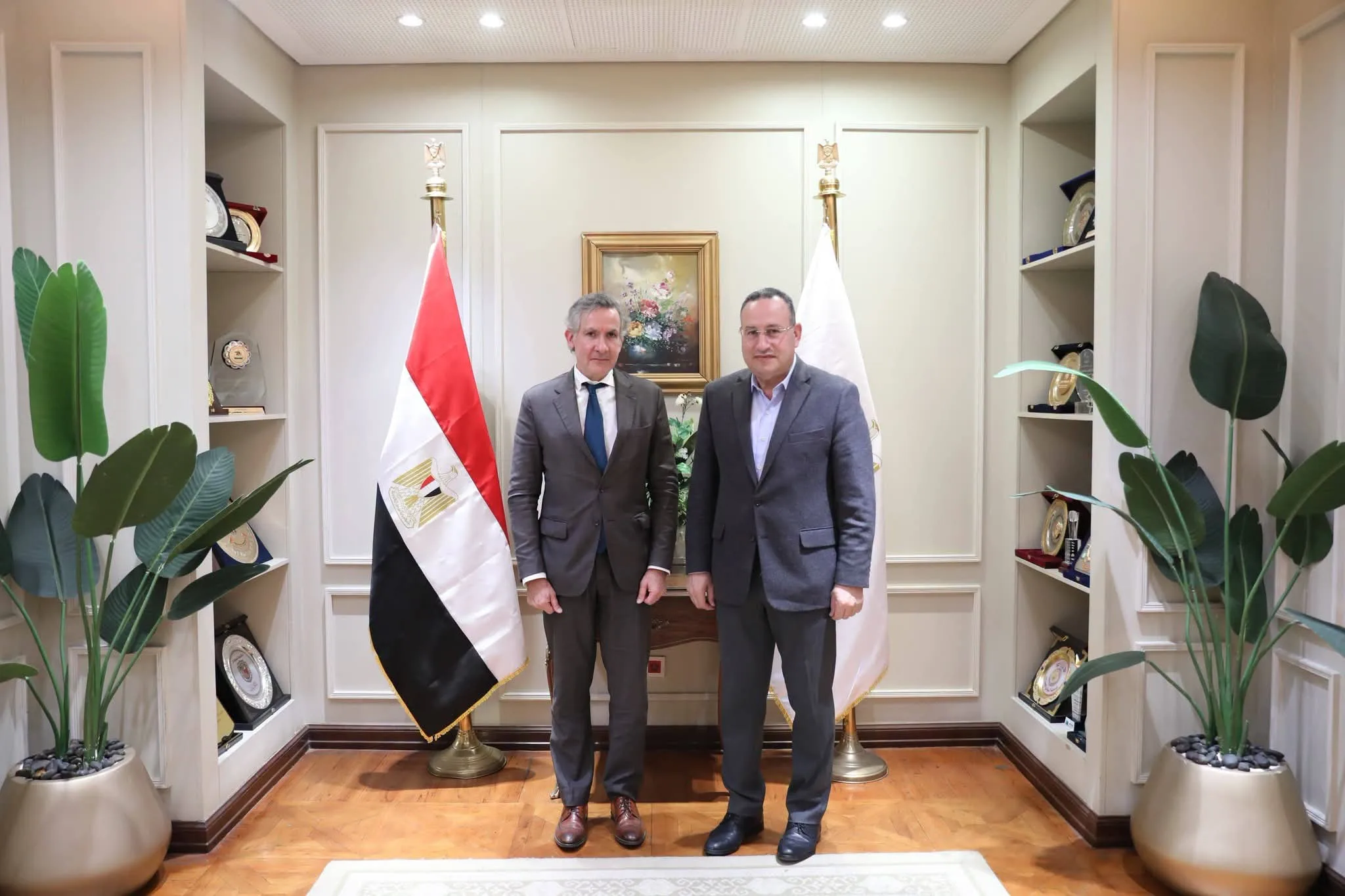




The Middle East has been the region most affected by ongoing geopolitical tensions, yet Egypt’s tourism sector recorded growth of 4per cent during the first nine months of 2026, according to Said El-Batouty, a member of the Board of the European Travel Commission and Chairman of the Advisory Group to the United Nations Economic and Social Council.
Speaking to the Middle East News Agency (MENA) Thursday night, El-Batouty said the conflict had disrupted international tourism, although the impact varied across destinations.
International tourist arrivals to the Middle East fell by 22 per cent in the first half of 2026 due to the conflict, air travel disruptions and weaker traveller confidence.
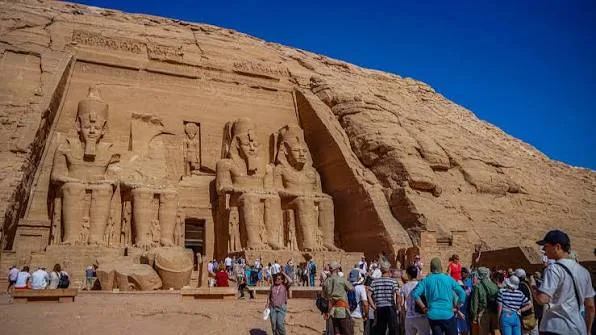
While several Gulf destinations recorded sharp declines, Egypt achieved growth of 3per cent compared with the same period in 2025, rising to 4per cent during the first nine months of the year.
El-Batouty said annual growth in international tourist arrivals worldwide slowed to 0.4per cent, down from an average of 4.5per cent in previous years. He attributed the slowdown to regional instability, higher oil prices, inflationary pressures and rising transport and accommodation costs.
He warned that elevated fuel prices would increase travel costs and airfares, while higher insurance premiums for travel, shipping and aviation would add further pressure on the global tourism sector until regional risks ease.
The downturn came after a period of strong recovery between 2023 and 2025, when the Middle East recorded the fastest rebound from the COVID-19 pandemic of any region worldwide. International arrivals in 2025 were 40% higher than their 2019 levels.
El-Batouty noted that conflict-related disruptions to air traffic had gradually eased, particularly following ceasefires in May and early June, allowing some routes to reopen and helping restore traveller confidence.
According to the International Air Transport Association (IATA), international air traffic, measured in revenue passenger kilometres (RPKs), increased by 0.4per cent in the first half of 2026. All regions recorded growth except the Middle East, where traffic declined by 29per cent.
International air capacity, measured in available seat kilometres (ASKs), fell by 0.6per cent, largely because of a 20per cent decline in the Middle East. Passenger traffic on Middle Eastern carriers dropped by 14per cent in June, an improvement from the 29per cent decline recorded in May.
El-Batouty said global hotel occupancy reached 68 in June 2026, compared with 69per cent a year earlier. Occupancy rates stood at 77 per cent in Europe, 68per cent in the Americas, 63per cent in Asia-Pacific and 58per cent in Africa. The Middle East recorded 53per cent, up from 48per cent in March and 49per cent in April.
Despite these challenges, El-Batouty said international tourism continued to post modest growth. He added that the sector could stabilise and return to its previous growth trajectory within two months if conditions in the Middle East improve, governments and businesses work closely together, and measures are taken to strengthen traveller safety and confidence.