



Egypt called for fairer international trade rules that protect developing economies from growing protectionist measures and ensure better access for their exports to global markets.
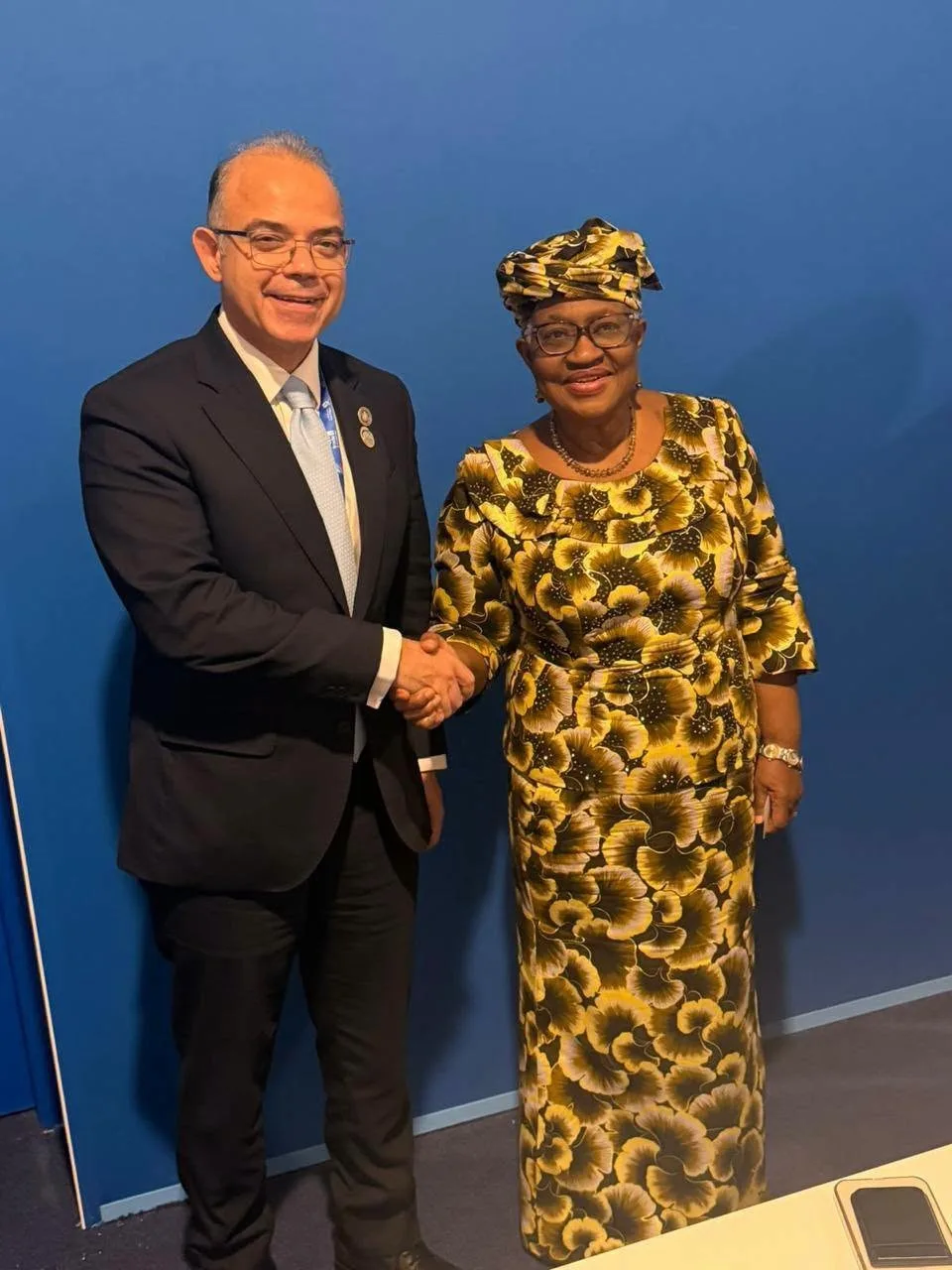
Minister of Investment and Foreign Trade Mohamed Farid raised these concerns during talks with the Director-General of World Trade Organisation (WTO) Ngozi Okonjo-Iweala on the sidelines of the 2026 World Investment Forum in Doha on Tuesday.
The meeting discussed the rising trade restrictions, geopolitical tensions and reforms to the multilateral trading system, as Egypt seeks to expand exports and boost its international trade relations.
Farid warned that growing protectionism and geopolitical disruptions affect global trade and limit access to major export markets.
He stressed the need to consider the circumstances of emerging economies when introducing trade measures.
The minister said restrictions designed to address excess production capacity in certain countries could also harm developing economies with relatively small shares of the importing markets, despite their different production conditions.
He called for measures that would allow Egyptian farmers, fishermen and manufacturers to compete fairly and expand their presence in international markets.
Farid also highlighted the challenges facing producers in developing economies, including high energy and production costs and intense international competition.
On WTO reform, Farid stressed the importance of restoring an effective dispute settlement system, with clear and enforceable mechanisms to protect member states’ rights, particularly amid rising unilateral trade measures.
Okonjo-Iweala outlined alternative mechanisms available following the suspension of the WTO Appellate Body’s operations.
These include the Multi-Party Interim Appeal Arbitration Arrangement (MPIA), consultations, mediation and dispute resolution procedures within WTO committees.
The talks also addressed the impact of the European Union’s Carbon Border Adjustment Mechanism (CBAM) on developing countries’ exports.
Farid outlined Egypt’s experience in establishing a regulated voluntary carbon market, including rules for project oversight, emission reduction verification and the issuance of carbon credits.
He stressed the need for European carbon regulations to take account of Egypt’s efforts to reduce emissions.
Both sides agreed on the importance of continued dialogue on trade restrictions affecting exports, dispute settlement reform and environmental requirements linked to international trade.

