



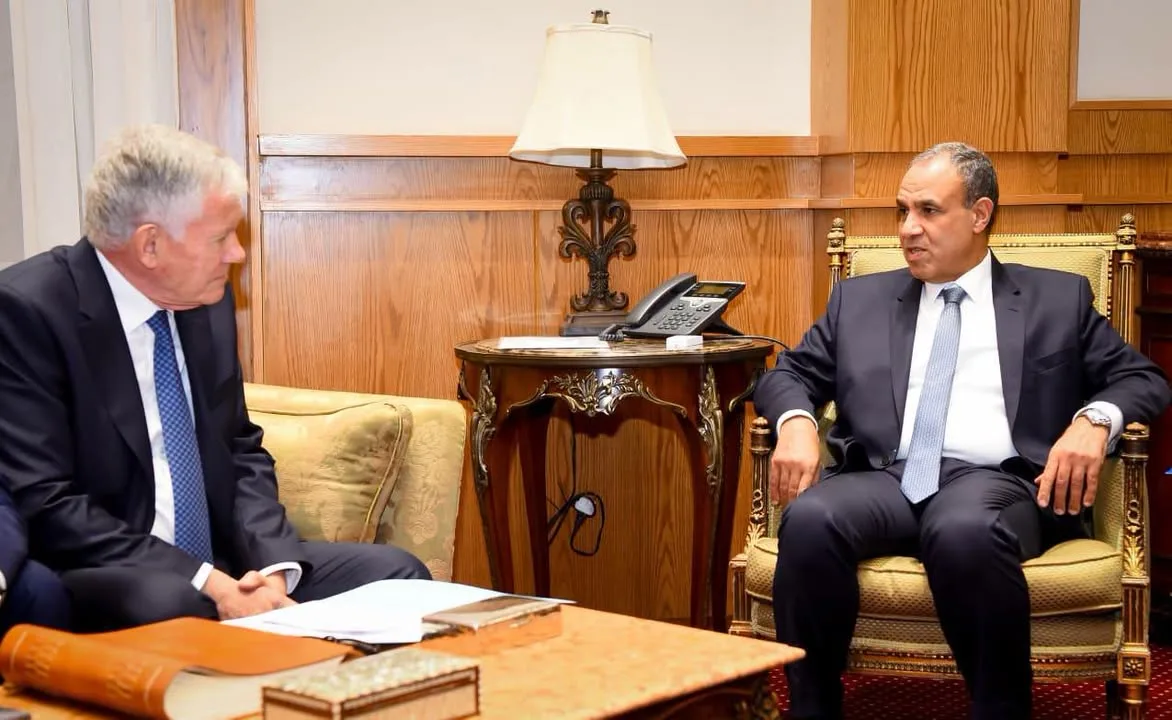





Egypt’s Foreign Minister Badr Abdel-Aati held several phone calls with regional and international counterparts on Saturday evening which addressed the rising regional tensions and the efforts to de-escalate the situation.
According to a foreign ministry statement on Sunday, Abdel-Aati held the talks with US Middle East Special Envoy Steve Witkoff, Saudi Foreign Minister, Prince Faisal bin Farhan, UAE Foreign Minister Sheikh Abdullah bin Zayed, Qatari Prime Minister and Foreign Minister Sheikh Mohammed bin Abdulrahman Al Thani, Kuwaiti Foreign Minister Sheikh Jarrah Jaber Al-Ahmad Al-Sabah, Bahraini Foreign Minister Abdullatif bin Rashid Al Zayani, Omani Foreign Minister Badr Al Busaidi, Turkish Foreign Minister Hakan Fidan, Pakistani Foreign Minister Ishaq Dar, Iranian Foreign Minister Abbas Araghchi and International Atomic Energy Agency chief Rafael Grossi.
The were part of the intensive diplomatic efforts aiming to reduce military escalation in the region, particularly as a deadline set by US President Donald Trump for a response to a US proposal approaches, Foreign Ministry Spokesperson Tamim Khallaf said.
The discussions focused on the latest developments in the region and proposals to contain the escalation at what Egypt described as a critical juncture.
Abdel-Aati stressed the need for restraint, urging warring parties to prioritise dialogue and diplomacy in order to preserve regional stability and prevent further destruction.
He also reviewed Egypt’s ongoing contacts with regional and international partners to calm tensions, warning that the current escalation could lead to an unprecedented regional crisis and grave economic and geopolitical consequences.
In addition, Egypt reiterated its firm rejection of attacks on civilian facilities and infrastructure and condemned recent strikes targeting Gulf states, Jordan and Iraq, calling for an immediate halt to such attacks and stressing respect for the sovereignty of Arab states and international law.
The various parties agreed to carry on with consultations and intensify diplomatic efforts in the coming days to defuse the crisis and avoid severe consequences for food and energy security as well as regional and international peace and stability.

