






Egypt is preparing to launch a major new industrial project with an African partner. Details are expected this month, Minister of Industry Khaled Hashem said.
The ministry is also in talks on industrial integration with several countries, including Ivory Coast and Mauritania. The aim is to harness the continent’s resources and raw materials and turn them into higher-value-added products, the minister added.
His strategy rests on three pillars: productivity, production costs and innovation. The ministry is working to strengthen links between research and development and the industrial sector. It is also supporting startups and small and medium-sized enterprises (SMEs) operating in robotics, artificial intelligence and industrial technologies.
Geopolitical disruption, trade restrictions and tariffs are the most visible signs of change in the global economy. The deeper shift lies elsewhere. Value chains and production networks are being restructured. That creates opportunities for Egypt as companies seek to bring manufacturing closer to their target markets, Hashem said.
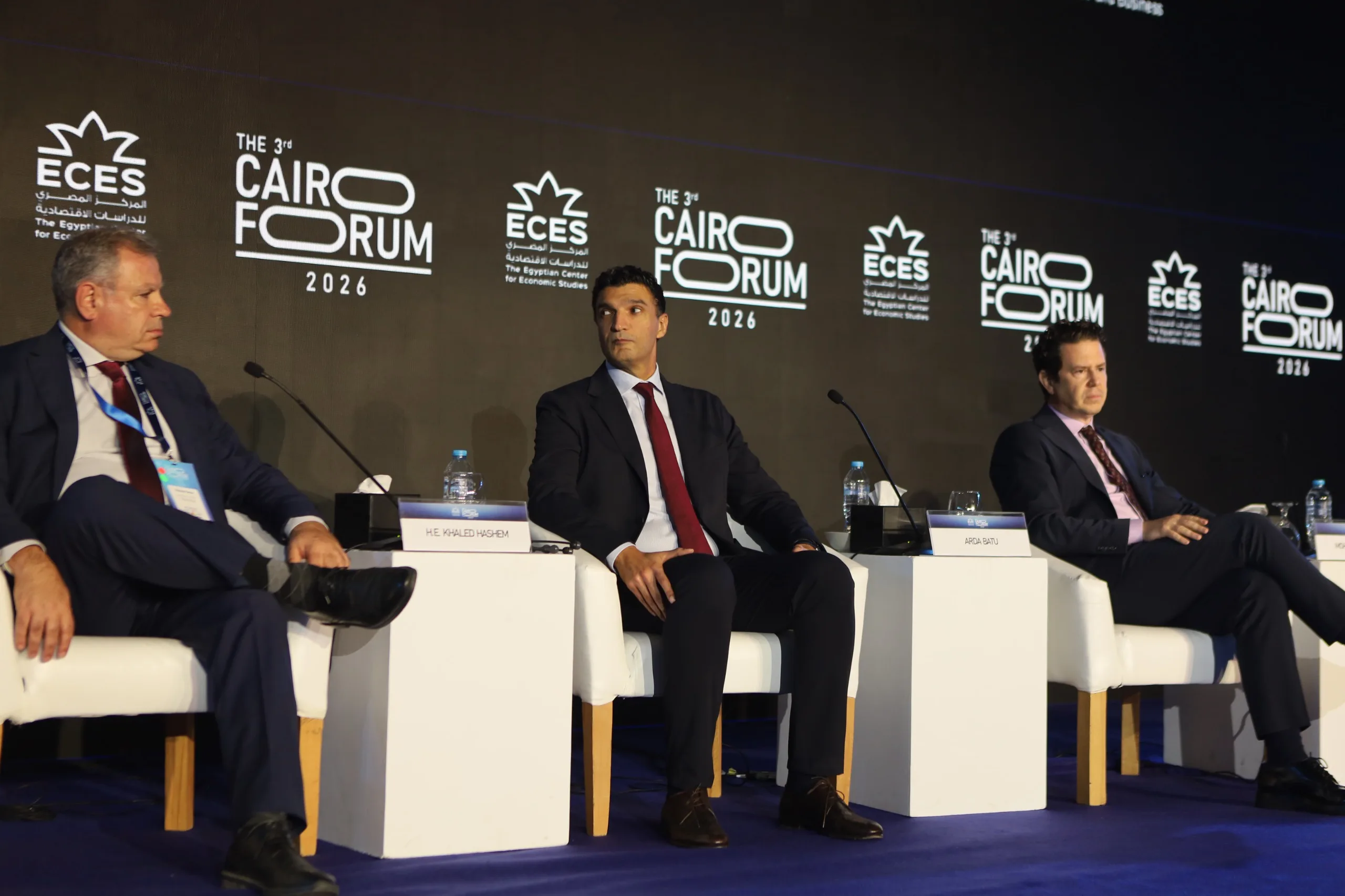
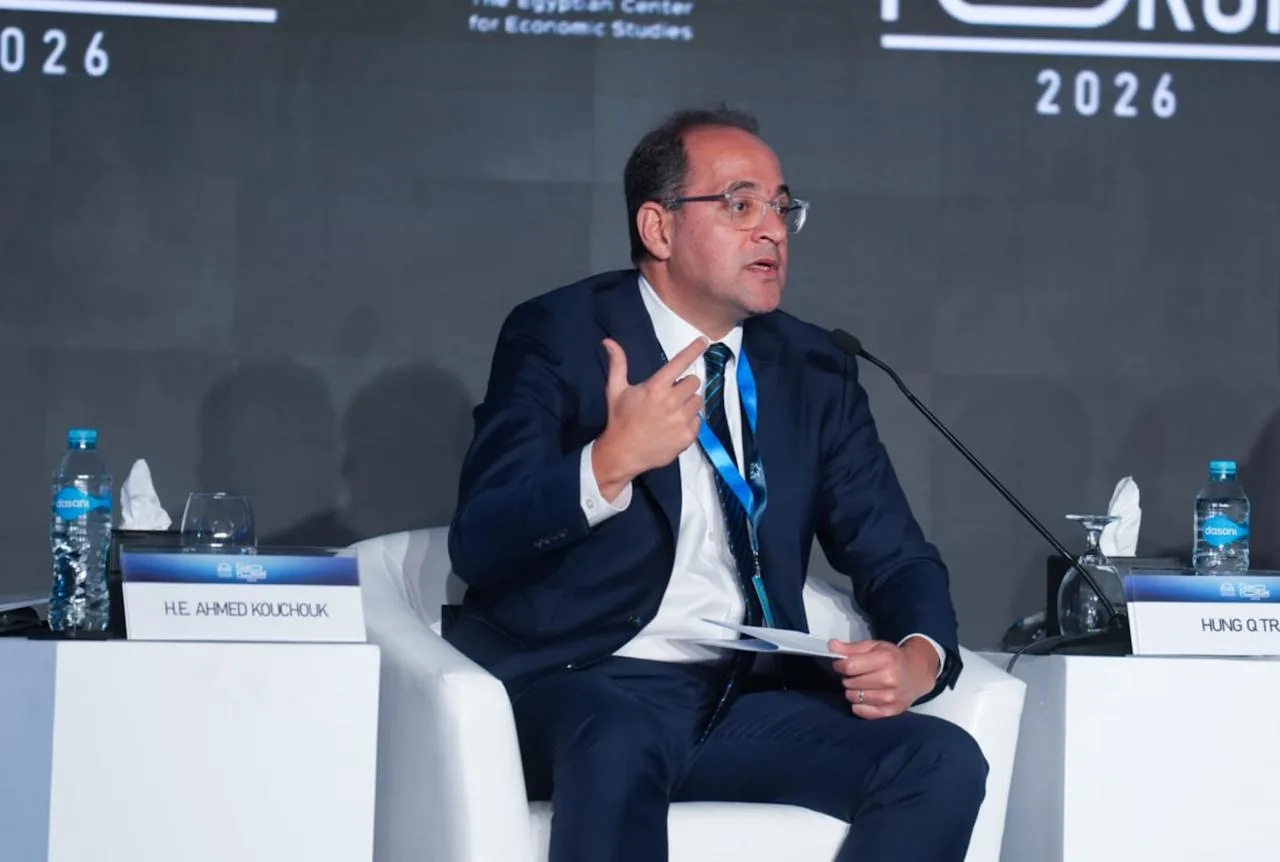
He was speaking on the first day of the third Cairo Forum 2026, organised by the Egyptian Center for Economic Studies. The session was titled “Manufacturing Challenges in the Global Order: Can the Global South Still Achieve Economic Progress Through Exports?” Industrial investment decisions, Hashem said, will ultimately continue to be driven by economic fundamentals, particularly production costs, productivity and innovation.
China offers a lesson, he noted. The shift of manufacturing there over recent decades was not driven by lower costs alone. It was also reinforced by the development of the country’s technological and innovation capabilities.
Now, higher shipping costs and supply chain disruption are prompting companies to rethink where their production facilities should be. For Egypt, that makes three things essential, Hashem said: improving labour productivity, developing the skills required in targeted industrial sectors, and maximising the economic value of its resources.
The ministry has begun placing greater emphasis on mining. The focus is on expanding domestic processing of minerals and raw materials, so that their added value stays at home rather than being lost through exports in unprocessed form.
Localising industry, the minister stressed, does not necessarily mean making every production input domestically. It means identifying the activities that are economically viable.
Egypt is a net energy importer. It should therefore avoid localising energy-intensive industries, or energy-intensive segments of production chains. The same principle applies to water-intensive industries, he said.
For each targeted industry, the ministry is preparing plans based on scientific studies. These will identify which components can be made locally and which are better sourced through integration with other countries, Hashem added.
Africa, he said, is one of the most significant opportunities for Egyptian industry. The continent comprises 54 countries, with intra-African trade worth around $220 billion. Egypt accounts for only about $9 billion of that, despite having a relatively strong industrial base compared with many other African countries.
Increasing exports to traditional markets could generate gradual annual growth of between 5% and 15%, he said. The African market offers greater potential for significant export growth, through deeper industrial integration and increased joint investment.
Hashem also revealed that the ministry is supporting an Egyptian company that manufactures industrial robots, with a local component share of more than 75%. It is also working to develop incubation models for technology and innovation companies. The goal is to accelerate their growth and expand the industrial applications of their products.
Europe is another opening. Egypt’s geographical location, free trade agreements and infrastructure position it to benefit from shifting international investment flows, particularly as European companies seek new markets and partnerships, Hashem said.
Large European firms already know the Egyptian market and recognise its industrial and export potential. European SMEs, however, still need to engage more closely with it, as they face mounting competition from Chinese companies and contraction in some European markets, he added.
The Industry Ministry aims to build partnerships between Egyptian private-sector companies and European SMEs. The focus would be on transferring and localising European technology in industries that supply targeted Egyptian sectors. In return, European companies would gain access to markets in the Middle East and Africa.
The model would deliver mutual benefits, Hashem said. It would help European companies tackle challenges in their traditional markets, while strengthening the technological and productive capabilities of Egyptian industry.

