



Joint efforts in developing Egypt’s nature reserves, preserving biodiversity, and supporting local communities, were at the core of major discussions held in Cairo on Thursday.
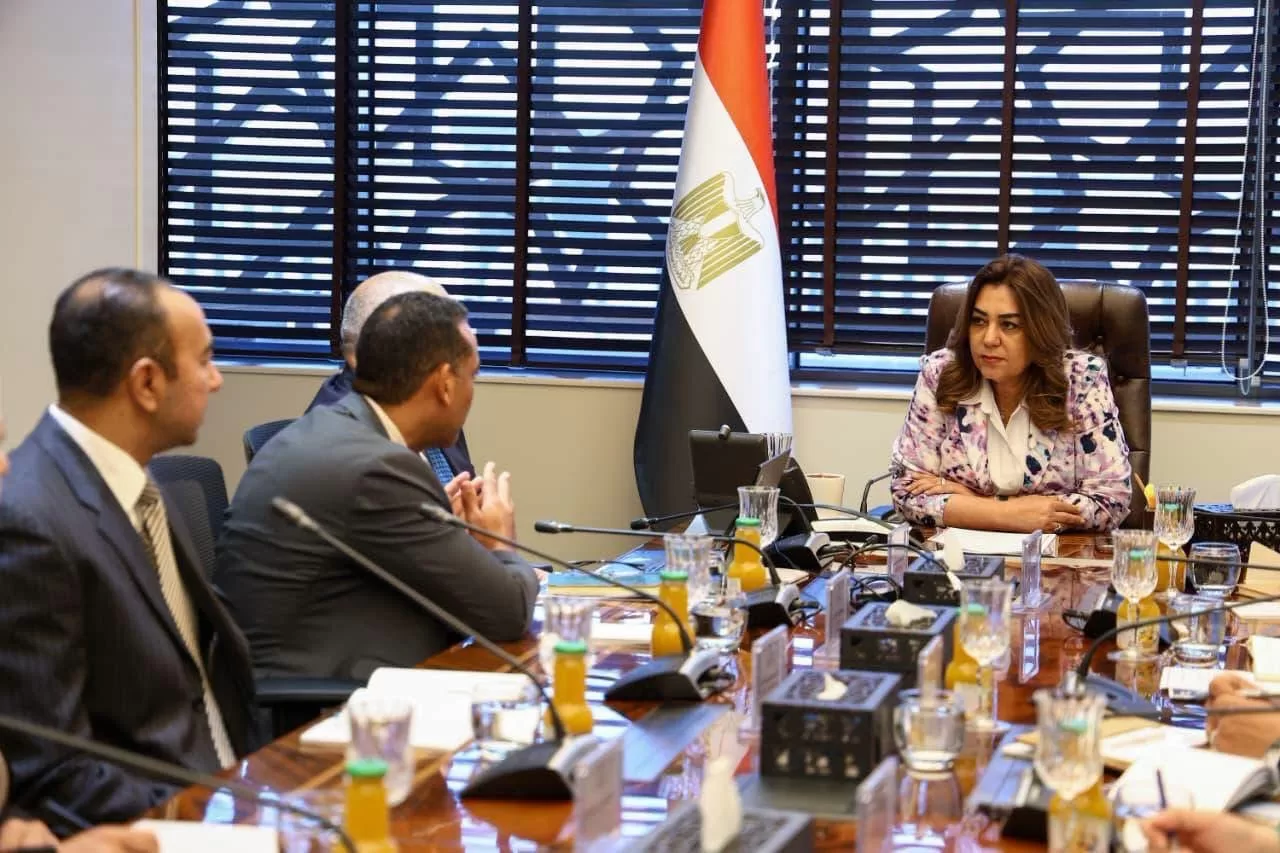
The talks featured Egypt’s Minister of Local Development and Environment Manal Awad met with Hany El Shaer, Regional Director of the International Union for Conservation of Nature (IUCN) for West Asia, and Ahmed Rizk, UNHabitat’s country representative in Egypt.
Senior officials from the agency and the ministry attended.
Minister Awad highlighted the importance of adopting naturebased solutions and creating new ecological systems within reserves.
She also pointed to the regional “Hima” initiative, which promotes resilience to drought, land restoration, and communitybased governance, noting its success in combining traditional resource management with modern climate adaptation.
Awad lauded the initiative as a regional model under the Global Environment Facility (GEF9), stressing its potential to restore degraded ecosystems, improve biodiversity, strengthen climate resilience, and enhance sustainable livelihoods for vulnerable communities. She directed officials to work with IUCN on upgrading reserves, improving visitor services, and strengthening monitoring systems to safeguard biodiversity.
Awad ordered the preparation of a development plan for the Wadi Sannur Cave Reserve in Beni Suef, given its geological importance, to open it for visitors soon.
She emphasised the need for stronger public awareness campaigns and promotional materials, including videos to be shared through Egyptian embassies abroad.
Participants in the meeting agreed to align the initiative’s goals with national priorities, select a pilot reserve for development using naturebased solutions, and explore investment partnerships to reduce funding gaps. UNHabitat and IUCN representatives expressed appreciation for Egypt’s leadership in environmental protection and pledged support for enhancing reserve management, visitor services, and investment opportunities.

