




Minister of State for Military Production Salah Suleiman Gomblat said that Egypt is making great strides in developing technical education and vocational training (TEVT) system to equip graduates with the skills required by the labour market.
He said efforts to this effect would be coordinated with the ministries of industry and education, in partnership with the private sector and international organisations. The aim is to establish an integrated framework for preparing skilled technical workforce, who can meet industry needs and keep pace with technological advances and international quality standards.
Technical education and vocational training are essential to improving industrial competitiveness and attracting investment, Gomblat added.
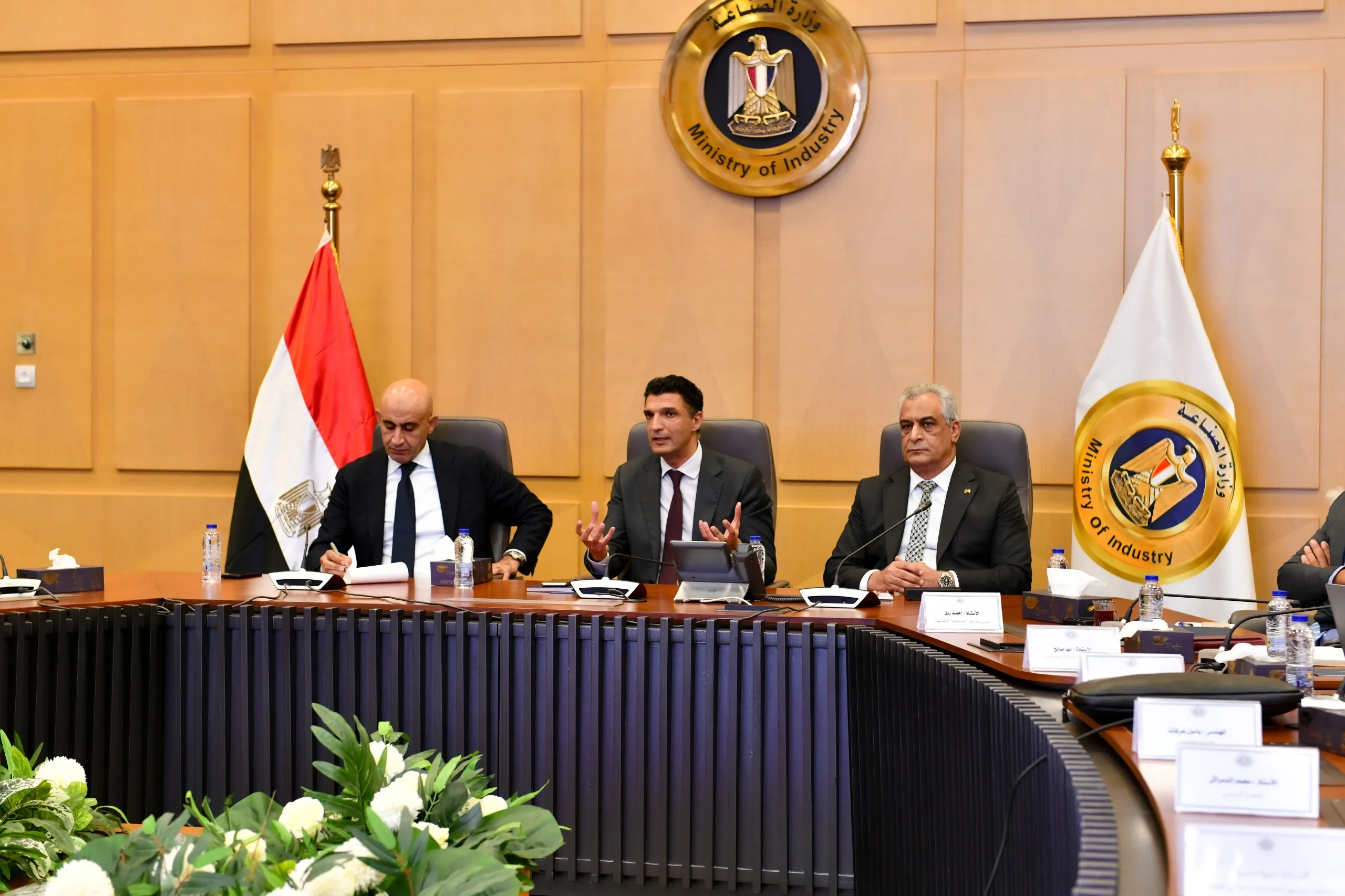
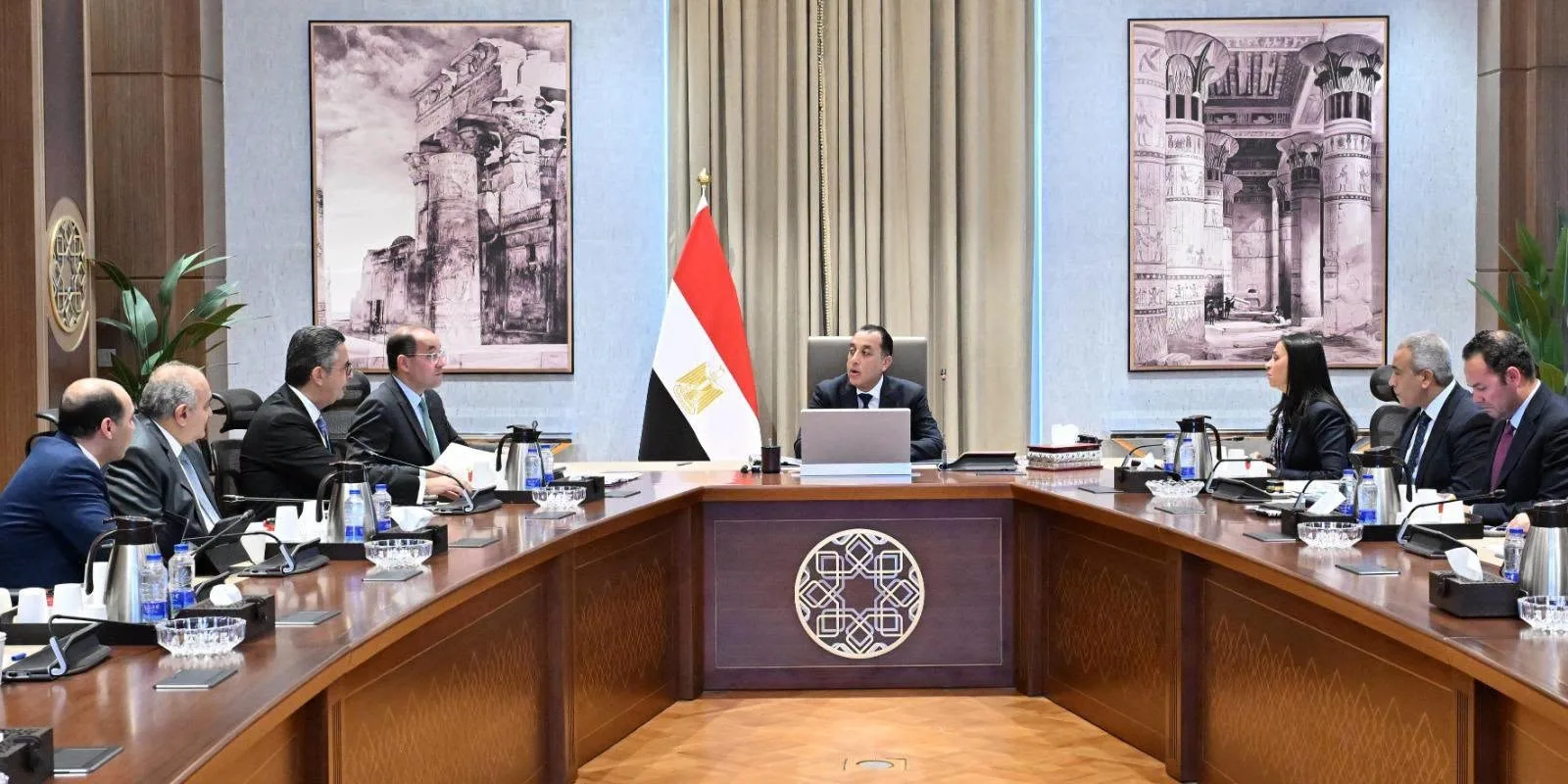
He made these remarks during a meeting on Wednesday with Industry Minister Khaled Hashem and Education and Technical Education Minister Mohamed Abdel Latif.
The meeting reviewed the technical education and vocational training system and ways to align it with the needs of the industrial sector.
Gomblat said the Ministry of Military Production is keen to match training programmes with the actual requirements of its affiliated companies.
The ministry oversees two applied technology schools, one accredited by international education provider Pearson, a medium technology college and the Advanced Industries Technical Institute.
These institutions help train and qualify technical personnel in line with international standards, he said.
Hashem said the involvement of several government bodies, the Arab Organisation for Industrialisation (AOI) and private-sector companies reflected Egypt’s strong potential to develop a skilled industrial workforce.
He stressed the need to coordinate efforts under a unified framework. This would help improve graduates’ skills and address gaps in vocational training.
He added that Skilled technical workers are essential to attracting industrial investment and sustaining the sector’s competitiveness.
The meeting agreed to form a committee comprising representatives of the ministries of industry, education, military production and labour, alongside the AOI. The committee will prepare proposals to coordinate technical education and vocational training efforts and submit them to the ministers within one week.
For his part, the Minister of Education Abdel Latif stressed the importance of closer co-operation among the ministries, the AOI and other relevant institutions. He said this would involve sharing expertise and resources and making better use of their industrial and training capabilities.
The goal is to prepare qualified technical personnel capable of supporting Egypt’s industrial and production plans, he added.
Abdel Latif said the Ministry of Education adopted an integrated strategy to equip graduates with the technical and technological skills needed to compete in domestic and international labour markets.
The strategy includes international partnerships and closer co-operation with the private sector to align education and training with industrial needs.
Egypt is working with Italy to establish 100 Egyptian-Italian applied technology schools and with Germany to establish 38 Egyptian-German schools.
An agreement has also been reached with Japan to launch 20 schools, he said.
The schools follow international standards and offer curricula and training programmes accredited by their international partners.
The ministry aims to expand the applied technology school network to 600 by 2030, Abdel Latif said.

