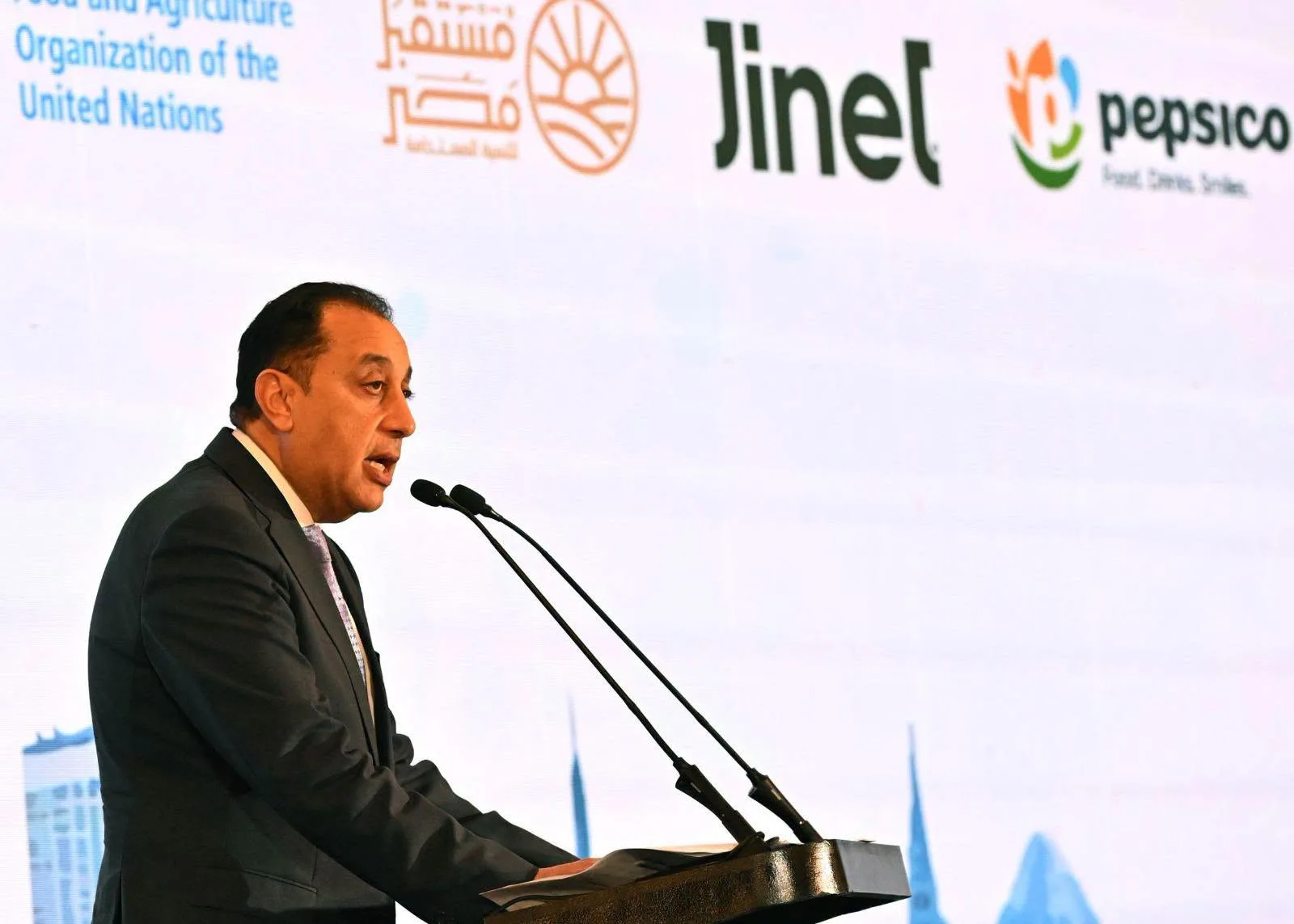

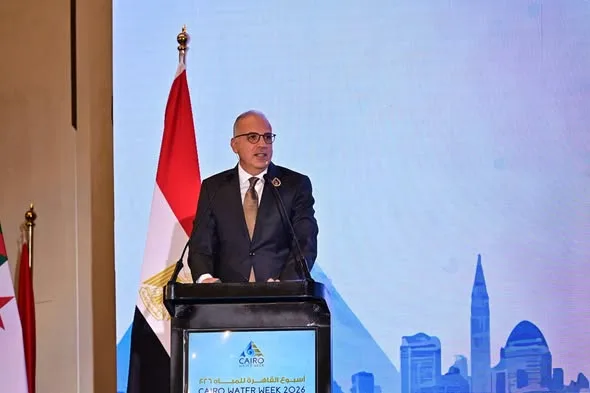




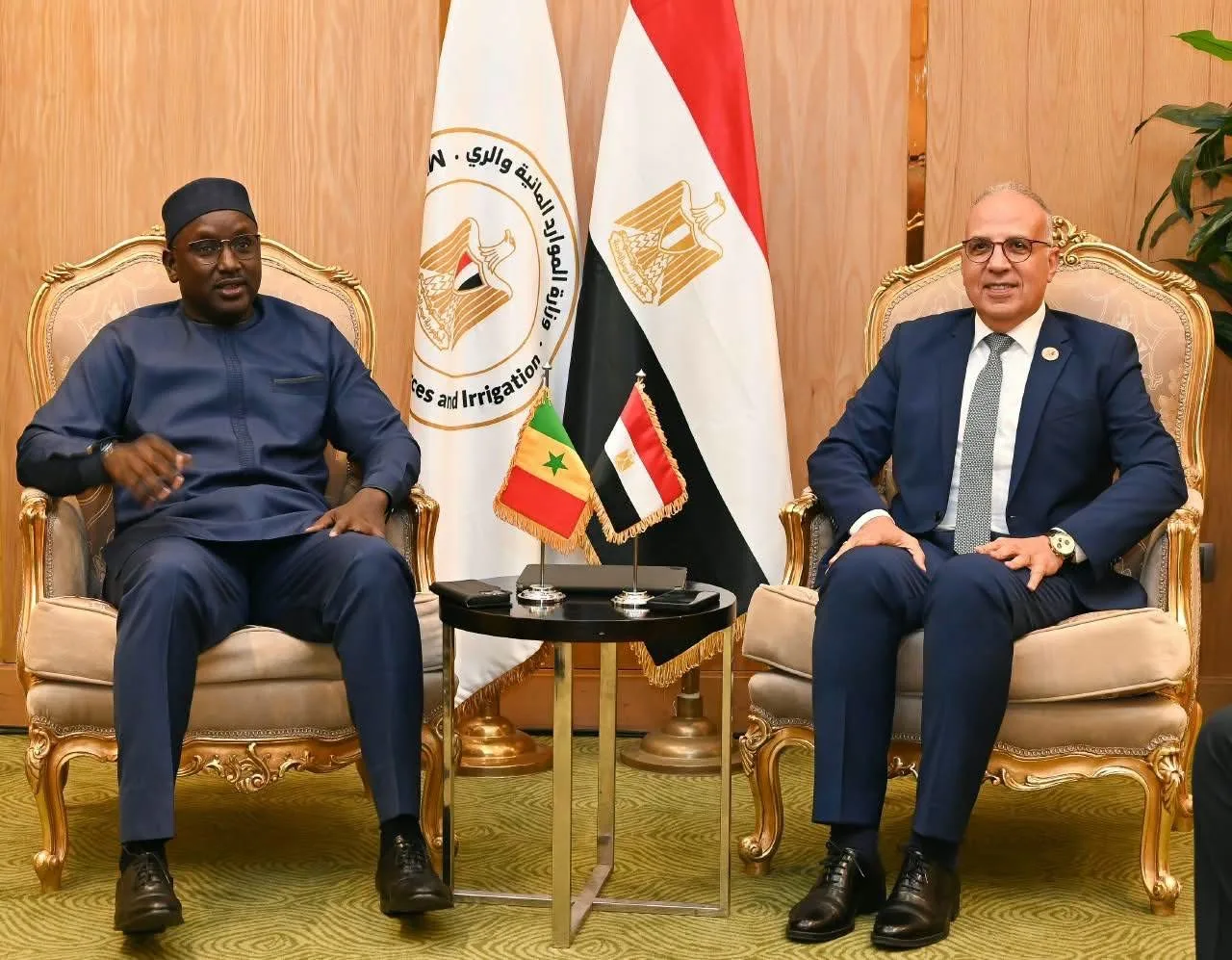




Prime Minister Moustafa Madbouly has reaffirmed Egypt’s commitment to co-operation with Nile Basin countries, stressing that the management of shared water resources must comply with international law and safeguard the water security of all riparian states.
Madbouly made the remarks on Sunday at the opening of the ninth edition of Cairo Water Week 2026, which he attended on behalf of President Abdel Fattah El-Sisi.
He said Egypt recognised every country’s right to development and to benefit from its natural resources. However, the use of shared rivers must be governed by international law, including prior consultation and notification, environmental and social impact assessments, and the obligation to avoid harming other countries’ water security.
Held under the theme “Water as a Catalyst for Peace, Shared Prosperity and a Sustainable Planet”, the event brought together ministers, governors, senior officials and representatives of regional and international organisations.
Madbouly stressed that Egypt wanted the Nile Basin to become a region of partnership and development rather than rivalry between upstream and downstream countries.
“We do not want our relations to be reduced to water disputes, nor do we want the Nile Basin to become an arena of competition between upstream and downstream countries,” he said.
He reaffirmed Egypt’s commitment to dialogue and consensus among Nile Basin countries, pointing to ongoing consultations within the Nile Basin Initiative aimed at addressing the concerns of countries that have not joined the Co-operative Framework Agreement.
Madbouly described the consultations as an important opportunity to resolve outstanding issues and restore consensus.
He welcomed efforts by fellow African countries to advance the process, but stressed that any framework for Nile Basin co-operation must include all basin countries to be genuinely effective.
The prime minister also reaffirmed Egypt’s determination to preserve the Nile Basin Initiative as a platform for co-operation and confidence-building.
He called for more joint projects and investment across the basin, particularly in water resources, renewable energy, electricity interconnection, trade and infrastructure.
Madbouly said Nile Basin countries had considerable potential in rainwater, green water and groundwater resources, adding that greater co-operation could help turn these resources into opportunities for shared development.
He cited Tanzania’s Julius Nyerere Hydropower Project, built by a consortium of Egyptian companies, as an example of Egypt’s support for development in fellow Nile Basin countries.
The project demonstrated that development partnerships required practical action rather than slogans, he said.
Addressing Nile Basin countries, Madbouly stressed that working together could deliver far greater benefits than pursuing development separately amid disagreements.
“Egypt wants to be a partner in your development and success and to exchange expertise and experience with you,” he said.
He added that Egypt also sought co-operation that protected its water security and the rights of its people, stressing that these objectives were complementary rather than contradictory.
Madbouly said genuine political will and co-operation were essential to managing transboundary rivers.
He cited Egypt’s co-operation with countries in the southern Nile Basin as a successful model that could also be applied in the Eastern Nile Basin.
Egypt had never opposed any country’s right to development or to use its natural resources, he said, adding that it had consistently supported development efforts in fellow African countries.
The prime minister expressed confidence that co-operation based on international law remained possible, saying such an approach would help meet development needs while protecting the vital interests of Nile Basin countries.
He also urged international partners to support dialogue and consensus through financing, technology transfer and capacity-building.
Turning to Egypt’s domestic water strategy, Madbouly said President Sisi’s address, broadcast during the opening ceremony, had outlined a clear vision of water as a cornerstone of national security and development.
The government was translating this vision into policies and projects aimed at improving water management and addressing growing challenges, he added.
Madbouly said water management was closely linked to agriculture, industry, housing, energy and investment.

