



Battery-based electricity storage projects are a key pillar of grid stability, flexibility and reliable power supply as Egypt advances its energy transition and expands its reliance on renewable energy, Minister of Electricity and Renewable Energy Mahmoud Esmat said on Sunday.
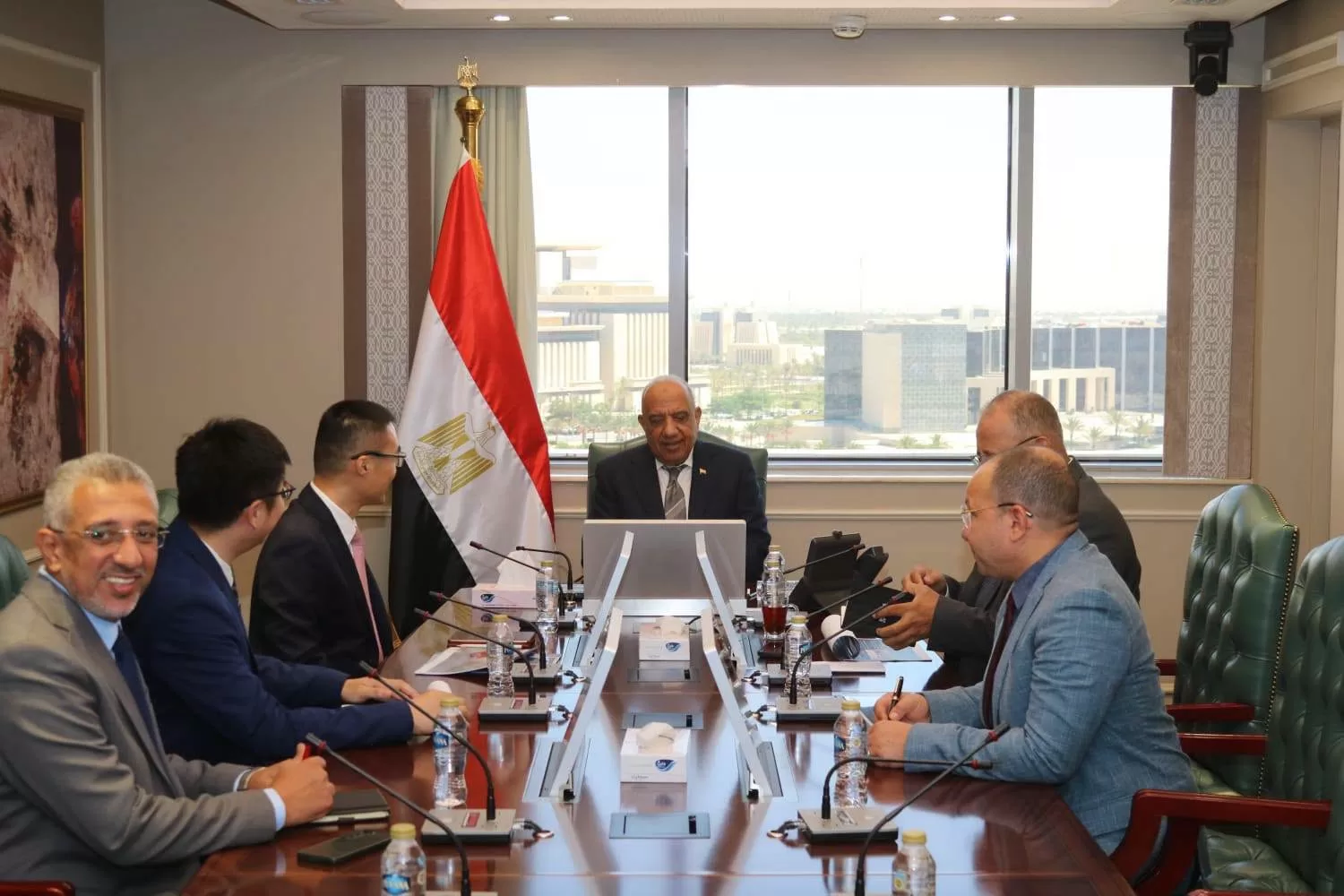
Esmat made the remarks during a meeting with Huawei Egypt CEO Benjamin Hou and his accompanying delegation.
The two sides reviewed the latest developments in a project to locally manufacture energy storage batteries and establish a number of standalone battery storage facilities with a combined capacity of 4,000 MWh.
The initiative forms part of Egypt’s energy transition strategy and plans to expand renewable energy projects.
Esmat reviewed developments in battery-based energy storage and Huawei’s technologies for establishing standalone electricity storage facilities.
The minister said technical and economic feasibility studies had been prepared for a number of potential sites across the national electricity grid. The proposed facilities are intended to enhance grid stability and power supply security, while deploying advanced technologies to support the grid during periods of peak demand.
He added that the projects would also help maximise the benefits of renewable energy by enabling generated electricity to be used more efficiently throughout the day, thereby improving the economic returns of solar and wind power projects.
Esmat described Huawei as a key partner in Egypt’s digital transformation efforts, particularly in modernising and upgrading electricity networks, data centres and communications systems linking the various components of the power grid.

