




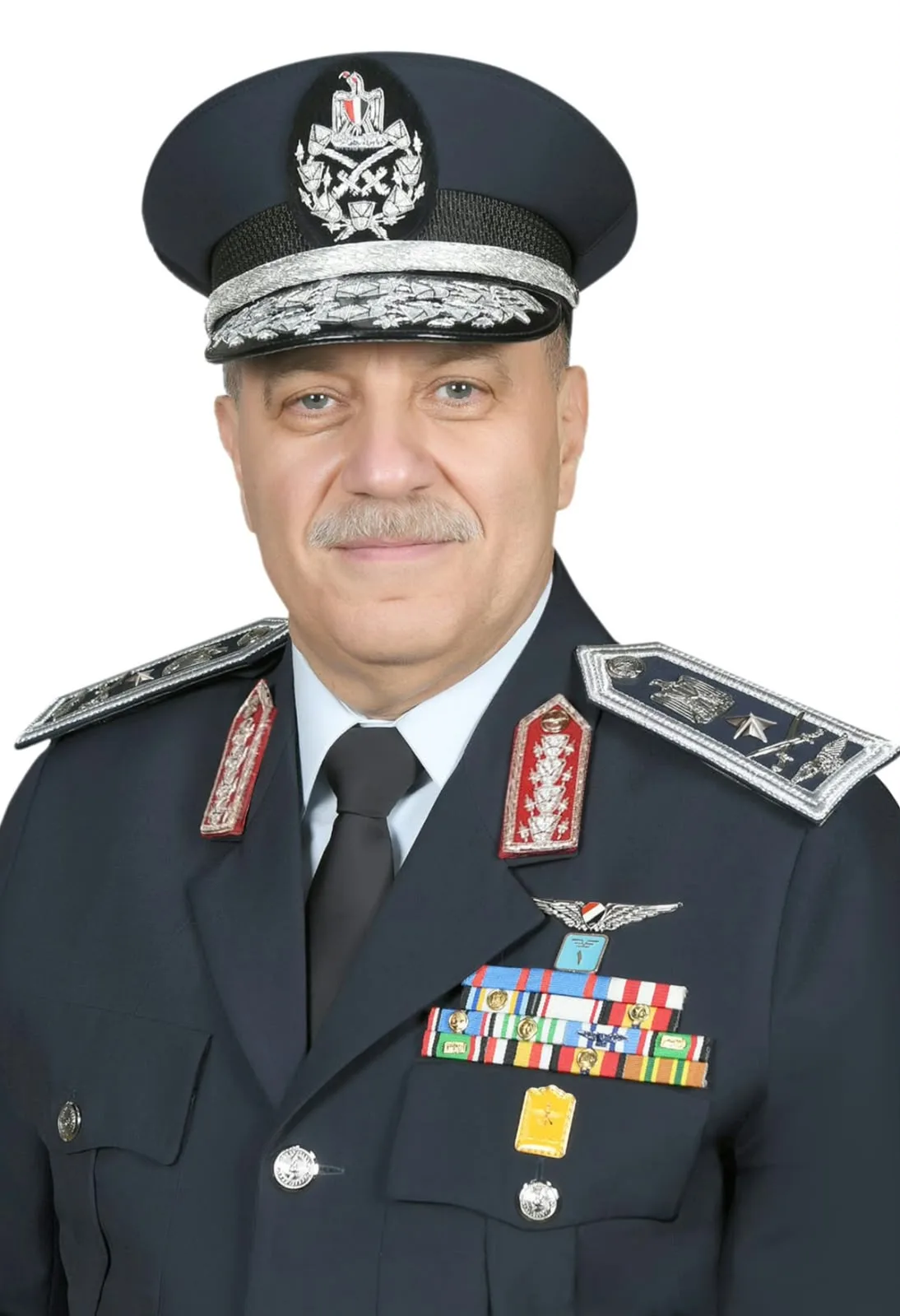
Marking the 94th anniversary of the Egyptian Air Force, Air Force Commander Amr Abdel Rahman Saqr said modern air superiority is no longer measured solely by the number or sophistication of aircraft, but by an integrated system that combines advanced technology, highly trained personnel, command and control capabilities, intelligence and reconnaissance systems, continuous training, and technical and logistical support.
Saqr stressed that the development and modernisation of the Air Force is an ongoing process that extends beyond acquiring advanced platforms to building the ability to absorb and employ technology effectively and preparing personnel capable of keeping pace with rapid changes in aviation and defence.
He emphasised that the human element remains at the core of the Air Force’s operational system, noting that advanced equipment requires qualified personnel capable of operating, maintaining and maximising the benefits of modern technologies. He added that the success of the Air Force is the result of the collective efforts of pilots, engineers, technicians, medical personnel and support teams.
Addressing the future of aviation, Saqr said that while artificial intelligence and autonomous systems are reshaping military operations, they will not replace the role of humans. He underlined the growing importance of technological understanding, data analysis and decision-making skills in modern air operations, stressing the need to continuously develop education and training programmes.
The Air Force commander also highlighted the importance of the Alamein International Air and Space Show, describing it as a platform that goes beyond traditional exhibitions by bringing together aviation, space, technology, industry and scientific research. He said the event provides opportunities for knowledge exchange, international co‑operation and discussion of emerging technologies, including artificial intelligence and autonomous systems.
On joint exercises, Saqr described the Egyptian‑Chinese air exercise “Eagles of Civilization 2026” as an important opportunity to exchange expertise, enhance interoperability and develop operational capabilities through joint planning, execution and aerial missions.
He noted that the Air Force has witnessed sustained modernisation in recent years with strong support from the political leadership and the Armed Forces General Command, stressing that development encompasses equipment, training, education and operational systems alike.
Concluding his remarks, Saqr said that the achievements of the Air Force are the result of the efforts of successive generations and called on personnel to continue building on this legacy through discipline, training, scientific knowledge and readiness to meet future challenges in aviation, space and advanced technologies.

