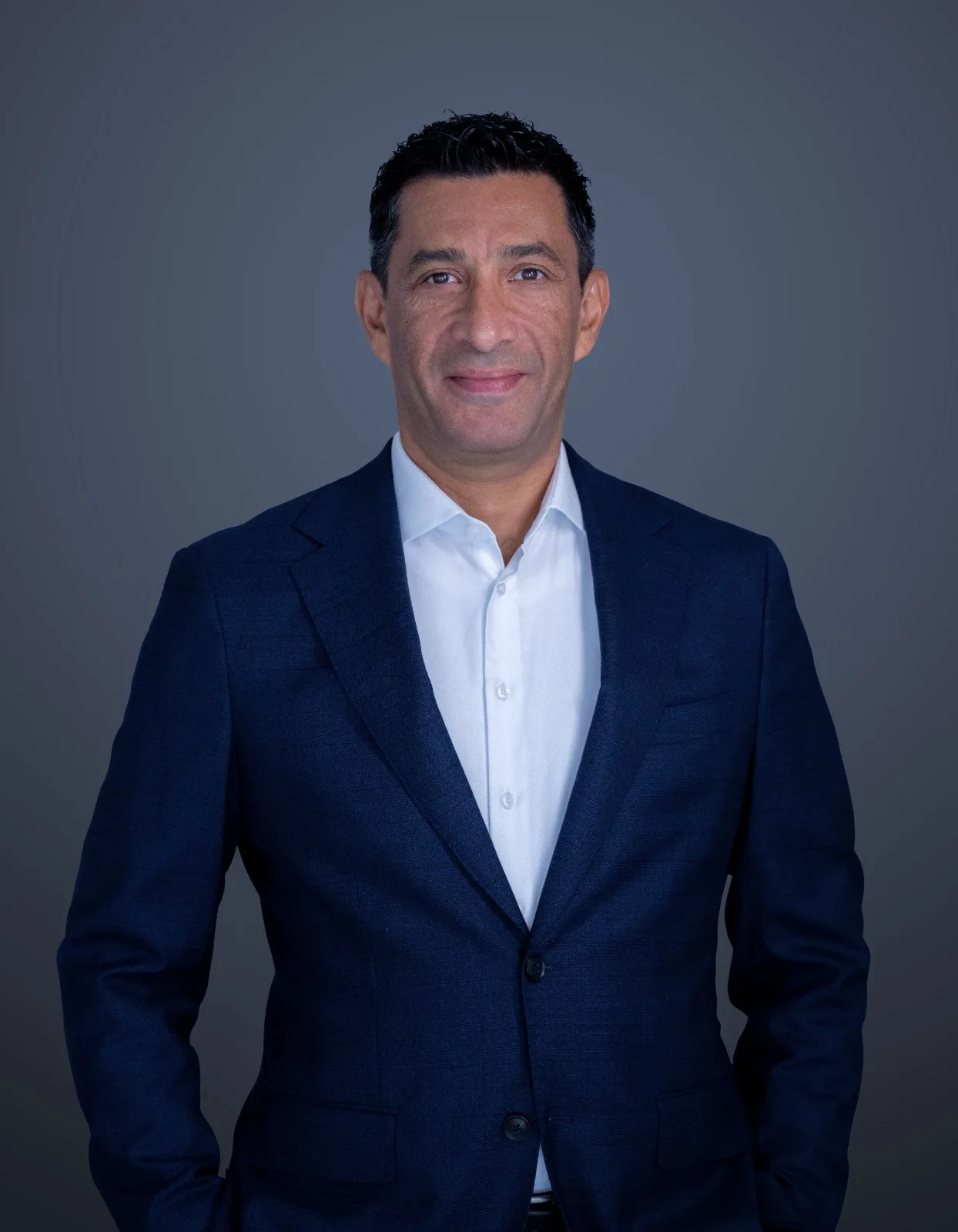






Ibrahim Saba, Principal Sales Director for Europe, the Middle East, and Africa at IDeaS, highlights the importance of revenue management and technology in supporting Egypt’s tourism ambitions and strengthening the competitiveness of its hotel sector.
Egypt’s tourism and hospitality sector is entering a promising phase of growth, driven by increasing investment in infrastructure, the expansion of hotel projects, the development of new tourism destinations, and government efforts to strengthen the country’s position on the global tourism map. As tourism investment continues to grow and ambitions rise regarding visitor numbers and hotel capacity, developing more effective management practices is becoming increasingly important to ensure that this growth translates into sustainable economic value.
In this context, Ibrahim Saba, Principal Sales Director for Europe, the Middle East, and Africa at IDeaS, emphasised that Egypt possesses exceptional assets that position it to strengthen its standing among the world’s leading tourism destinations. He noted that the combination of its unique cultural heritage, diverse tourism offerings, and growing investment in infrastructure and hotel projects creates significant opportunities for sector growth and for attracting a wider range of travelers.
During his speech at the Egypt 2026 Forum, Mr.Sherif Fathy, Minister of Tourism and Antiquities, outlined the government’s ambitions to strengthen Egypt’s position on the global tourism map. These targets include welcoming 30 million tourists annually, generating tourism revenues of between USD 36 billion and USD 40 billion, and increasing hotel capacity to approximately 500,000 rooms and hotel units by 2030/2031. These objectives reflect the government’s vision for continued tourism development and for maximizing the sector’s contribution to the national economy, opening new opportunities for hotel investment and supporting sustainable growth.
Commenting on these targets, Saba said that expanding hotel capacity and attracting more visitors present significant opportunities to maximize the economic returns generated by tourism. Combining substantial infrastructure investment with the use of technology and data to manage commercial performance can improve the sector’s efficiency and support sustainable growth, helping translate anticipated increases in visitor numbers and hotel capacity into greater economic value.
From Expanding Hotel Capacity to Maximizing Commercial Performance
Saba noted that the next phase of hospitality sector development will depend not only on the number of new hotel rooms being added, but also on hotels’ ability to maximize the commercial performance of their existing assets. As hotel supply expands and travelers have more options to choose from, developing pricing strategies, optimizing distribution channels, and understanding demand patterns will become increasingly important to balancing occupancy levels, average room rates, and profitability.
He added that sustainable growth requires investment in infrastructure to be accompanied by stronger operational and commercial capabilities across hotels. Increasing occupancy does not necessarily translate into the best possible returns unless decisions regarding pricing, customer segments, and sales channels are aligned with market conditions and each property’s commercial objectives.
Revenue Management as a Key Pillar in Supporting Egypt’s Tourism Targets
Saba emphasised that revenue management has become central to improving the efficiency of the hotel sector by providing tools that help forecast demand, analyse booking trends, implement flexible pricing strategies, and optimise the use of available rooms. These tools enable hotels to respond more effectively to market changes, identify commercial opportunities, and strengthen their ability to generate sustainable returns.
Technology and data-driven analytics support more accurate decision-making, helping hotels move beyond relying solely on historical experience toward a proactive approach based on market indicators and future forecasts. Saba also stressed the importance of collaboration among revenue management, sales, marketing, reservations, and executive management teams to align commercial objectives and improve overall performance.
The growing interest in revenue management and predictive analytics solutions in the market is palpable to Saba, noting that the IDeaS ecosystem includes 52 active partners in Egypt. This also underscores the importance of these tools in supporting hotels across different segments, whether in major cities, coastal destinations, or tourist resorts.
Diverse Tourism Destinations Reinforce the Need for Data-Driven Planning
Saba explained that Egypt’s diverse tourism offerings, ranging from cultural and heritage tourism to luxury resorts, meetings and exhibitions, and cruise tourism, represent a significant competitive advantage. However, capitalising on this diversity requires commercial strategies tailored to the characteristics of each destination and traveler segment.
Differences in demand patterns and tourism seasons require hotels to better understand customer behavior, booking lead times, and the price sensitivity of different segments, while selecting the most suitable distribution channels. Advanced analytics can help properties capitalize on peak periods, stimulate demand during slower seasons, and improve performance throughout the year.
The continued development of tourism destinations along the Red Sea, the North Coast, and other promising areas will create new opportunities for investment and growth. Hotels that are better equipped to leverage data and respond quickly to market changes will be better positioned to strengthen their competitiveness.
Toward a More Resilient Hospitality Sector
Saba emphasised that the benefits of improving revenue management practices extend beyond enhancing hotels’ financial performance to supporting the sustainability of the sector as a whole. When properties can manage demand, pricing, and distribution more efficiently, they are better positioned to reinvest in service quality, develop their workforce, improve the guest experience, and strengthen their ability to navigate economic and market changes.
This approach aligns with broader developments across the Middle East and North Africa’s hospitality sector, where tourism destinations are increasingly combining substantial infrastructure investment with more advanced commercial performance management tools. This integration helps maximise returns on tourism investments and supports long-term growth.
“Egypt has all the necessary ingredients to continue strengthening its position as a global tourism destination. Success in the next phase will depend on the ability to translate growth in visitor numbers and hotel capacity into greater economic value. Investment in technology, data, and the development of hotels’ commercial capabilities, he explained, will help support the government’s targets, strengthen the sector’s competitiveness, and generate sustainable returns for operators, investors, and Egypt’s tourism economy,” said Ibrahim Saba.

