


By Dr Ashraf Abul Saud
In the past decades, colonial and regional circles exploited the fact that Egypt-Sudan relations relied heavily on individuals and ideologies.
However, a clear shift is underway towards establishing solid institutional ties between the two countries.
This shift puts the interests of the Nile Valley above the vagaries of politics and the whims of groups.
President Abdel Fattah El-Sisi’s policy marks a genuine shift from reactive crisis-management and dependence on narrow ideologies to a serious attempt to establish strong institutional relations through comprehensive strategic and developmental approaches.
At the same time, this approach faces formidable geopolitical, psychological and media complexities produced by the current Sudanese civil war.
On the political and strategic front, the Egyptian administration consciously and wisely avoids repeating the past mistake of linking the fate of the Nile Valley to those in power.
It deals directly and systematically with legitimate Sudanese state institutions by opening up to Khartoum and providing support to state institutions and the Sudanese national army.
This became particularly evident following the December 2019 uprising in the neighbouring country, confirming the firm belief that Sudan’s security and sovereignty are an integral part of Egyptian national security.
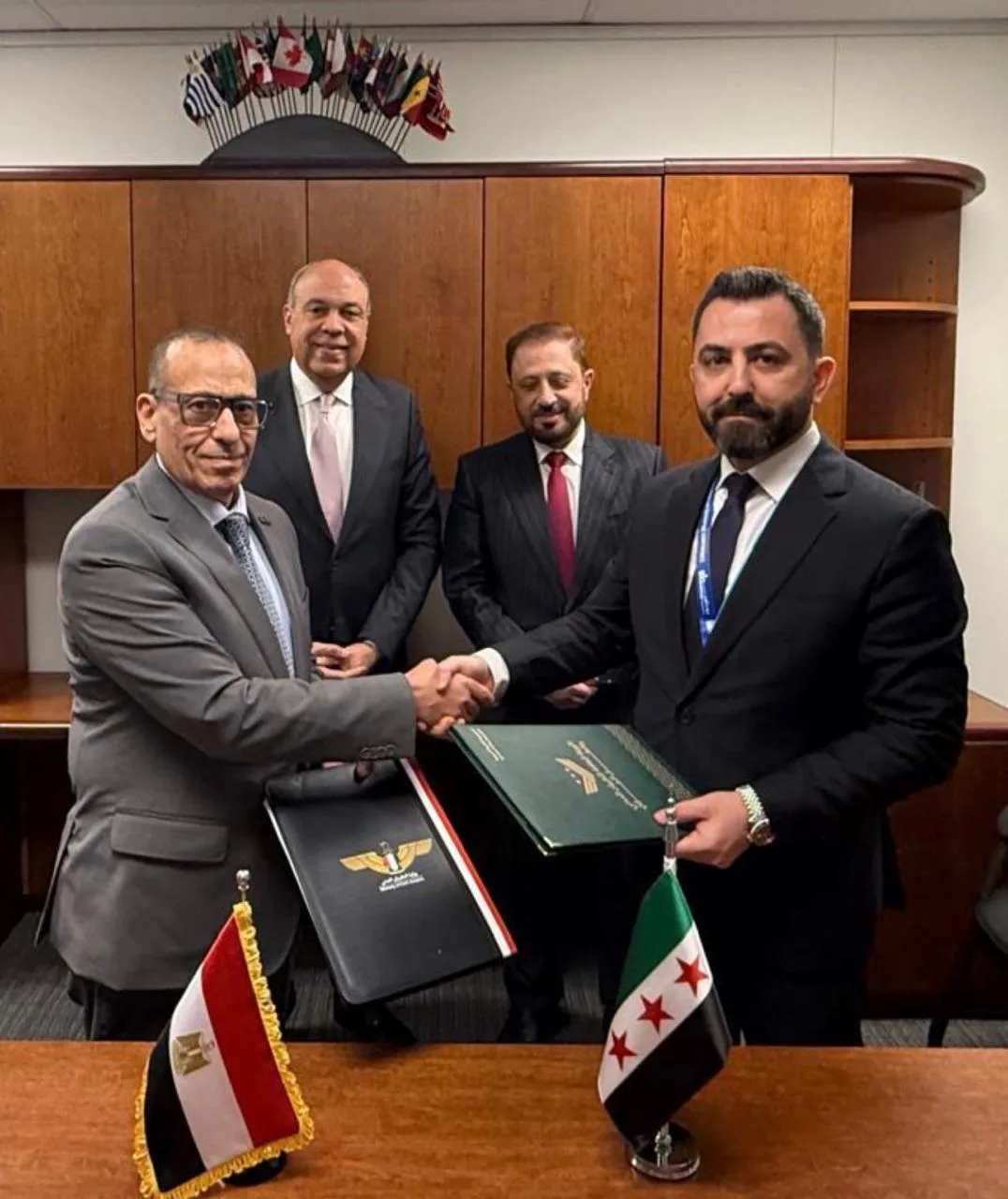
On the security and military front, the strategic security partnership between Cairo and Khartoum has sharpened, culminating in the signing of defence co-operation agreements and conducting a series of military exercises, including the Nile Eagles and the Protectors of the Nile drills in 2021.
These exercises aimed to safeguard the water interests of the two countries and navigation in the Red Sea by deterring common threats.
At the economic and development level, the Egyptian leadership focuses on structural projects and direct physical connectivity, where Qastal and Arqin, the two primary and official border crossings between Egypt and Sudan, have been operationalised.
Operational steps have also been taken to implement electricity interconnectivity between the two countries, while measures are being taken to execute a railway link between Aswan and Wadi Halfa.
This link will transform political integration between Cairo and Khartoum into tangible material interests and benefits to be felt by citizens in both countries.
On the religious and cultural front, the destructive effects of factional partisan polarisation are being firmly addressed by restoring the leading and spiritual role of Al-Azhar and Dar Al-Ifta in the training of Sudanese mosque imams and preachers. This drive aims to dismantle extremist thought and bridge cultural gaps and curb incitement.
The most important challenge facing relations between the two countries was manifested in the social, psychological and media aspects of these relations.
This was particularly true after the outbreak of the civil war in Sudan in April 2023. The Egyptian leadership made a strategic decision to open Egypt’s borders and receive hundreds of thousands of Sudanese nationals with a categorical refusal to classify them as refugees.
Egypt insisted on integrating these Sudanese brothers and sisters as guests to consolidate the unity of the social fabric between the peoples of the two countries and counter – through official assurances – hostile media campaigns.
Nonetheless, we cannot overlook the need to draft a future roadmap to protect the two countries against colonial distortion mechanisms and maintain joint national security.
This roadmap must rest on four strategic pillars. First, a security tracks that establishes a joint deterrence doctrine and creates smart borders to disrupt smuggling networks and infiltration by foreign-backed terrorist elements.
The roadmap also needs to institutionalise joint military industrialisation to transform co-operation into an integrated technological defence structure that repels threats to water resources and national sovereignty.
Second, an economic track to accelerate geographical integration by speeding up vital projects, such as the Aswan-Wadi Halfa railway, expanding the power grid interconnection, and establishing a free economic zone.
Egypt and Sudan also work to implement the Joint Food Valley project to utilise millions of cultivable acres of land in Sudan, using Egyptian capital and expertise to create an agricultural and livestock enterprise that achieves self-sufficiency for the two countries. This project will protect the two countries from global supply chain fluctuations.
The needed track also has to include a cultural, religious and media dimension, whereby the two countries launch a unified media
platform for the Nile Valley. This platform has to be managed by qualified professionals from the two countries to correct stereotypes and counter fifth-generation wars and online smear campaigns.
There is also an urgent need to establish a central association for Nile Valley scholars under the umbrella of Al-Azhar, the Sudanese Islamic Fiqh Complex and Sufi orders. This association will fight militant ideological discourse and revive a culture of moderate, inclusive faith.
Finally, the roadmap must address the social and educational sphere by offering Golden Residency to investors and academics, alongside efforts to harmonise educational curricula across both nations.
Academic and cultural institutions should work together to highlight the history of the common struggle of both countries against colonialism and expose historical distortion tools.
The security of the Nile Valley has already morphed into a battle of survival where Cairo and Khartoum have to build this solid institutional wall to pre-empt all forms of fragmentation schemes and energise shared developmental action.
Dr Ashraf Abul Saud
Writer and an international relations scholar
[email protected]
- Latest
- Trending

