





Minister of State for Military Production, Major General Salah Suleiman Gomblat, has directed intensified field monitoring of projects under the presidential “Hayah Karima” (Decent Life) initiative to accelerate implementation and improve completion rates.
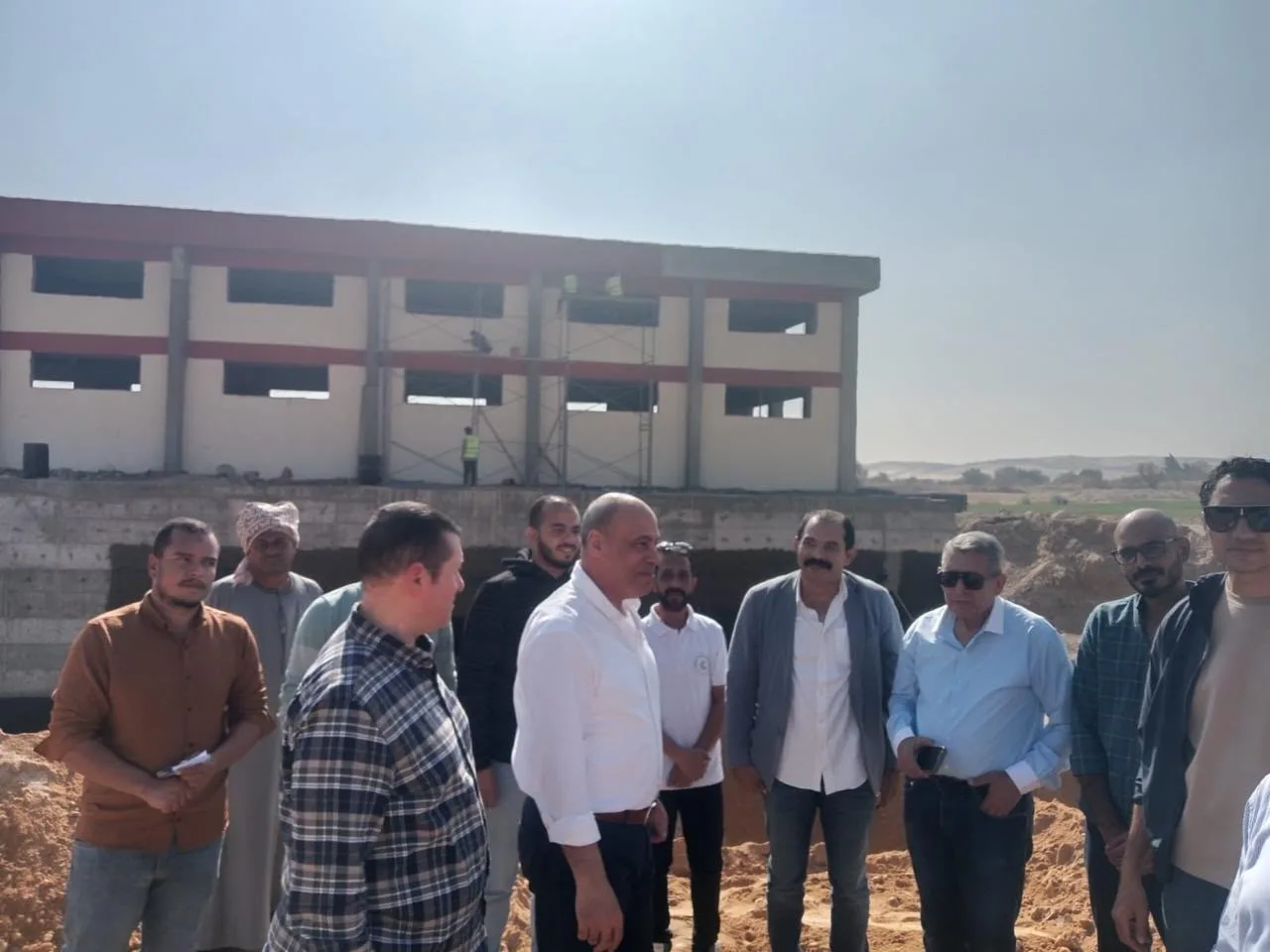
Acting on the minister’s instructions, Tarek Bakhit, Vice-Chairman of the National Authority for Military Production and Managing Director, paid a field visit to the Upper Egyptian Assiut Governorate to follow up the implementation of projects being carried out by military production companies, inspect the work completed on the ground, verify actual progress rates and ensure compliance with the established timetables.
During the visit, Bakhit inspected project sites, assessed progress and reviewed compliance with technical specifications and quality standards.
He stressed the need to maintain an intensive work pace, strengthen co-operation among teams at different sites and increase the workforce in line with implementation requirements to accelerate progress and complete the remaining work as quickly as possible.
Emphasis was also placed on increasing reliance on locally manufactured products and components in project implementation and making use of the manufacturing and engineering capabilities available at military production companies.
These efforts reflect the Ministry of Military Production’s commitment to fulfilling its implementation responsibilities for the national projects entrusted to it. The ministry is mobilising the manufacturing capabilities, engineering expertise, technical skills and human resources of its companies to support the implementation of Decent Life projects, contribute to infrastructure development and improve the quality of services provided to residents of targeted villages.
In this context, Gambalat said the ministry was continuing its efforts to fulfil its assigned role in implementing Decent Life projects.
The minister also stressed that military production companies were working in accordance with their national and executive responsibilities to complete the projects entrusted to them. Their role, he added, went beyond monitoring implementation rates to include continuously addressing challenges and accelerating progress on the ground.

