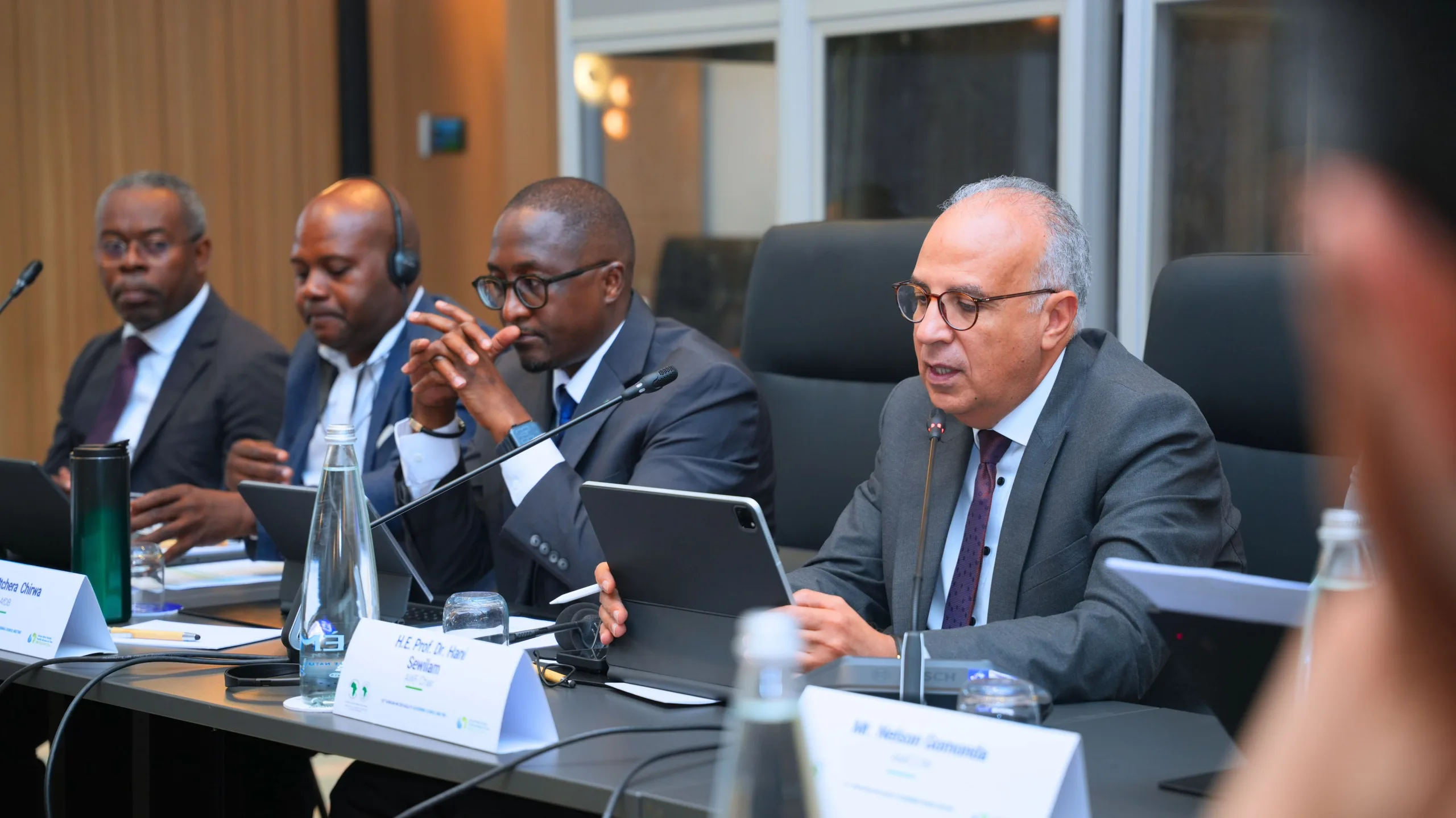







Egypt’s Minister of Water Resources and Irrigation, Hani Swailem, Chairman of the African Water Facility Governing Council, has highlighted the importance of the council’s 26thmeeting as the facility moves from strategic planning to implementation.
He reaffirmed Egypt’s commitment, during its presidency of the council, to supporting the facility and strengthening its capacity to prepare projects, mobilise financing and build partnerships for implementation.
Swailem stressed that Egypt views African co-operation as vital to achieving water security and expanding access to sustainable sanitation services across the continent.
He made the remarks while chairing the closing session of the council’s 26th meeting in Abidjan, Côte d’Ivoire.
The meeting was attended by African Development Bank (AfDB) Water Development and Sanitation Department Director MaseeraSherwa, representatives of Benin, Kenya, Madagascar, Sierra Leone and Gabon, as well as delegates from the African Ministers’ Council on Water (AMCOW), the New Partnership for Africa’s Development (NEPAD), and development partners, including Austria and Spain.
Swailem said the meeting approved the minutes of the council’s 25th session and endorsed the 2027 work plan and budget. It also authorised the launch of studies and consultations on reforming the facility’s operating model.
He explained that the work plan and budget outline the facility’s immediate priorities and translate the objectives of its 2026-2030 strategy into practical measures, measurable outcomes and tangible investments in the water and sanitation sectors.
According to Swailem, the proposed review of the operating model marks an important step towards enhancing the facility’s institutional and financial sustainability while improving its operational efficiency.
On institutional reform, he emphasised the importance of preserving the facility’s core development mandate and ensuring that any proposed changes reflect the needs and capacities of beneficiary countries.
He also called for further studies and consultations to evaluate potential reform options and clarify their legal, financial and operational implications.
Any specific reform proposals, he stressed, must be submitted to the Governing Council for approval before implementation.
Swailem noted that the successful implementation of the work plan, institutional reforms and the facility’s strategy would depend on continued partner commitment, predictable funding and efforts to diversify funding sources.
He called for maintaining the momentum generated by the meeting and sustaining joint efforts to make the facility more effective and responsive to the needs of African countries, in line with the African Union’s Agenda 2063 and Africa’s Water Vision 2063.
