


Egypt’s Minister of Water Resources and Irrigation Hany Sewilam stressed the importance of strengthening financial contributions from African countries and international development partners to ensure the sustainability of the African Water Facility (AWF) and support its ambitious strategy to expand water and sanitation projects across the continent.
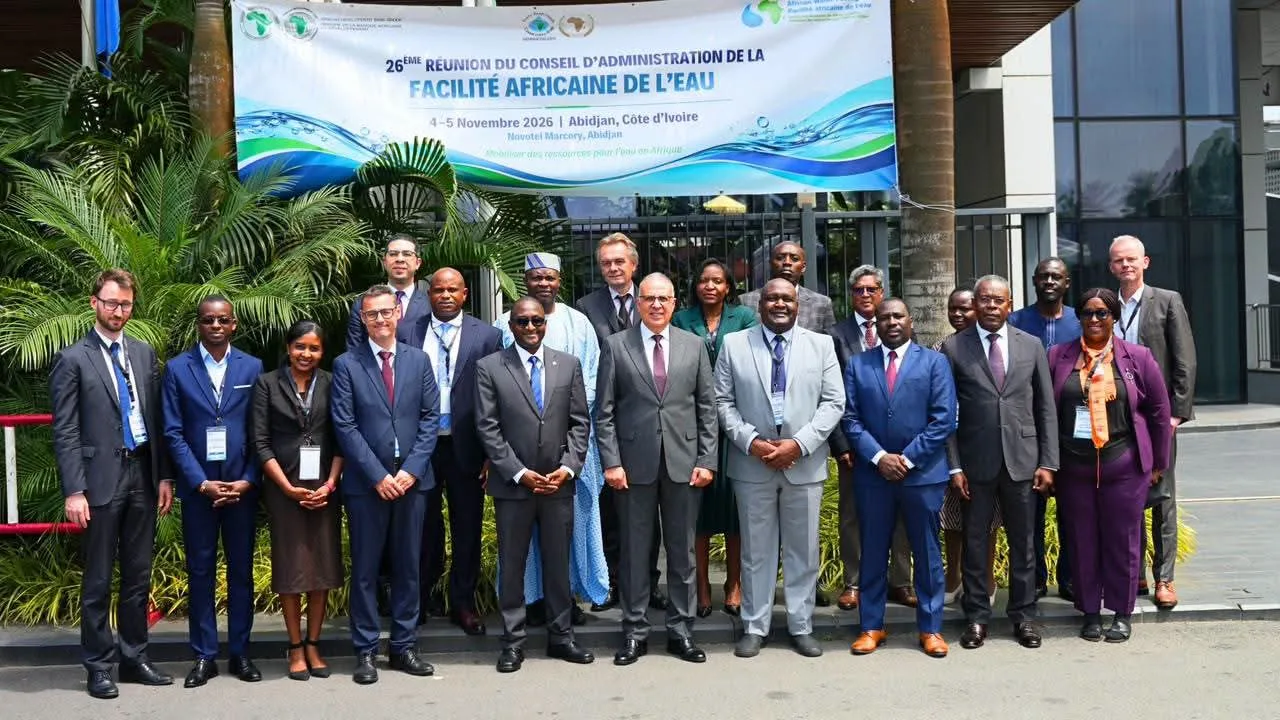
Sewilam made the remarks while chairing the 26th meeting of the AWF Governing Council, held on November 4–5, 2026, in Abidjan, Côte d’Ivoire, with the participation of representatives from African countries, the African Development Bank, development partners and regional organisations.
During the meeting, Sewilam said the facility had supported 153 projects across 54 African countries through grants totalling €240 million, helping mobilise an additional $4.19 billion in investments.
These projects have improved access to drinking water for around 50 million people and sanitation services for approximately 22 million.
The minister noted that €139 million of the grants had supported the preparation of 93 investment projects.
During the first nine months of 2026, the facility disbursed €9.1 million and prepared 13 new projects.
Meanwhile, its latest call for proposals attracted 650 applications, reflecting the growing demand for project preparation across Africa.
Sewilam said the meeting coincided with the African Union’s designation of water and sanitation as its 2026 theme and the adoption of the African Water Vision and Policy 2063, stressing the need to translate these commitments into bankable projects, investments and services benefiting citizens.
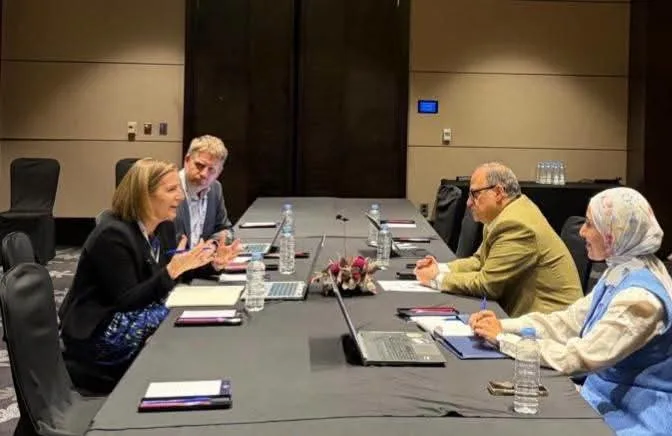
He also reviewed Egypt’s efforts during its presidency of the council, including a joint appeal launched last July with the African Ministers’ Council on Water (AMCOW) urging African governments to contribute to the facility.
He highlighted a September mission to Germany involving the AWF and African Development Bank, which secured German support through a project implemented by GIZ and paved the way for a long-term partnership.
Co-operation also includes the BCLEAR training programme, targeting 100 specialists who will reach more than 2,000 beneficiaries, and a high-level AWF session during the ninth Cairo Water Week.
The minister said the 2026–2030 strategy seeks to mobilise between €75 million and €120 million by 2030, stressing that African contributions should complement, rather than replace, international funding. He called for expanding partnerships to Arab and Gulf countries, development banks and the private sector.
