






Egypt and Sudan have reaffirmed their commitment to further boosting co-operation on Nile water management, enhancing water security and co-ordinating their positions on issues related to the river, while rejecting unilateral measures on the Blue Nile.
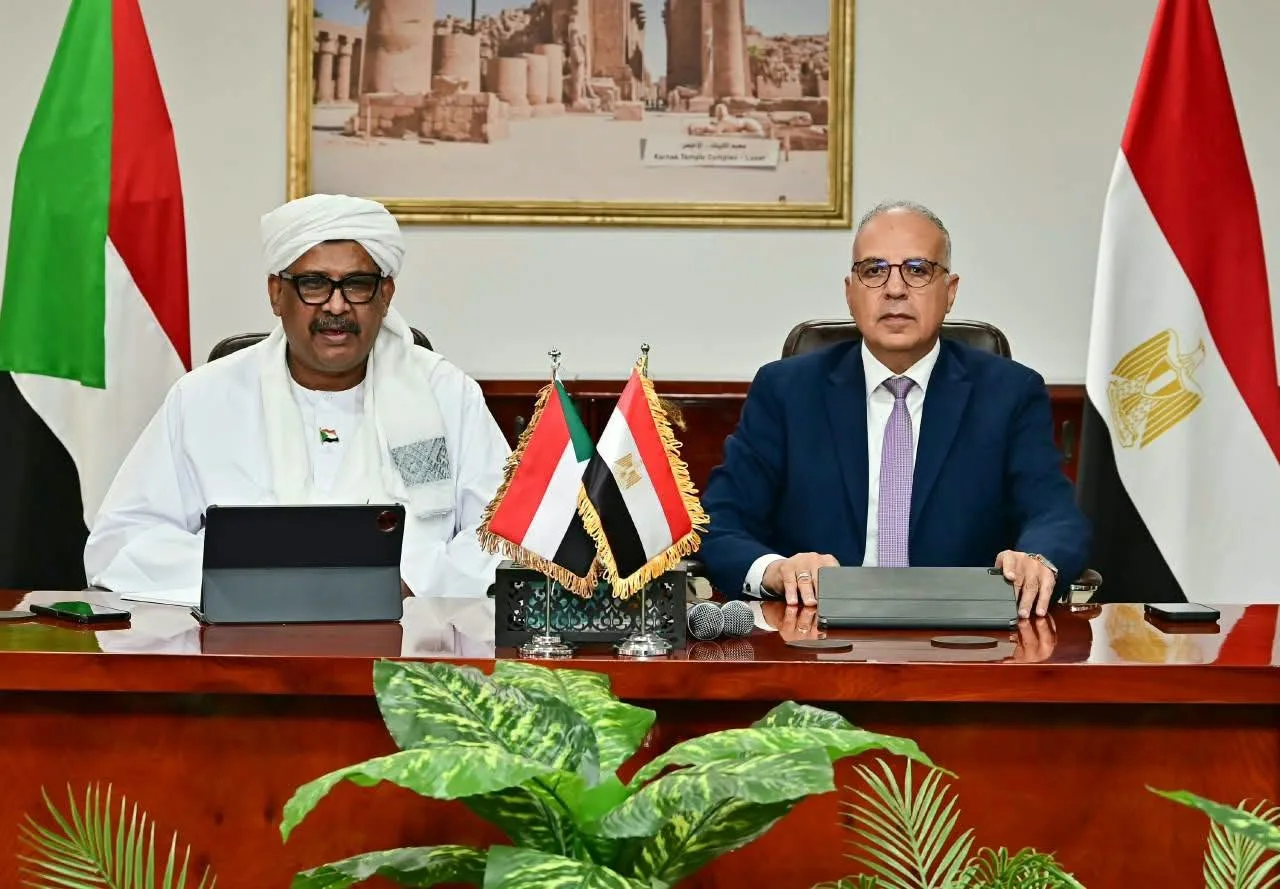
Egypt’s Minister of Water Resources and Irrigation, Hani Swailem, held talks in Cairo on Monday with Sudanese Minister of Agriculture and Irrigation Ismat Qurashi and his accompanying delegation, following the second meeting of the 66th session of the Permanent Joint Technical Commission for Nile Waters (PJTC).
The two ministers stressed the deep-rooted historical and fraternal ties between Egypt and Sudan and the shared destiny of their peoples, in the Nile Valley.
They underlined that water co-operation between the two countries is a key pillar of water security and sustainable development, as well as a model of co-operation based on mutual interests and respect.
Swailem praised Sudan’s active participation in the recent 9th Cairo Water Week and the positive outcomes of PJTC meeting.
Established under the 1959 Agreement for the Full Utilisation of the Nile Waters, the commission has served for more than six decades as the institutional framework governing water co-operation between the two countries and the technical platform for co-ordinating their positions, exchanging data and following up on Nile water-related issues, while safeguarding their rights and shared interests.
The two sides discussed ways to enhance bilateral co-operation in support of their development priorities. These include technical co-ordination and the exchange of hydrological data to ensure the safe operation of Sudanese dams and reservoirs and Egypt’s High Dam.
They also discussed protecting cities, water facilities and drinking water and irrigation intakes during the flood season, as well as rehabilitating Sudan’s Jebel Aulia Reservoir and developing its hydrological monitoring systems.
The ministers also reviewed the final steps towards concluding a memorandum of understanding between the two countries on water resources. The proposed memorandum covers rainwater harvesting, the establishment of solar-powered groundwater drinking water stations, combating aquatic weeds, training, capacity-building and the exchange of expertise.
They agreed to expedite the completion of the necessary procedures for signing the memorandum and launching its projects to meet the needs of local communities and support Sudan’s recovery and reconstruction efforts.
Addressing the developments pertaining to Ethiopian dam, the two ministers reaffirmed their countries’ rejection of any unilateral measures on the Blue Nile. They stressed the need to abide by international law, particularly the principles of prior notification and avoiding harm.
They also agreed to maintain close consultations and co-ordination in the coming period to serve the shared interests of the two sisterly peoples.

